

#1
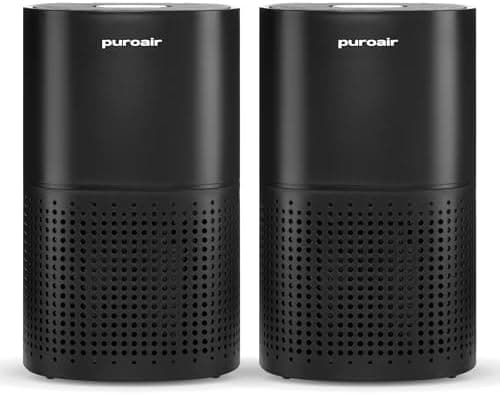
PuroAir Powerful 2 Pack
- Our Score
- 9.8/10
- Best For
- Multi-room setups
- Room Class
- Large / multi-room
- Standout Feature
- 2-pack auto cleaning
- Key Tradeoff
- Needs two outlets
- Price Band
- Mid-range
Breathe cleaner air with the best air purifiers for large rooms, allergies, pets, smoke, and quiet overnight use. Our 2026 picks focus on real coverage, filter quality, noise, and long-term ownership—not just headline room-size claims.
Match coverage, noise, and filter upkeep to the room you will actually run the purifier in every day.
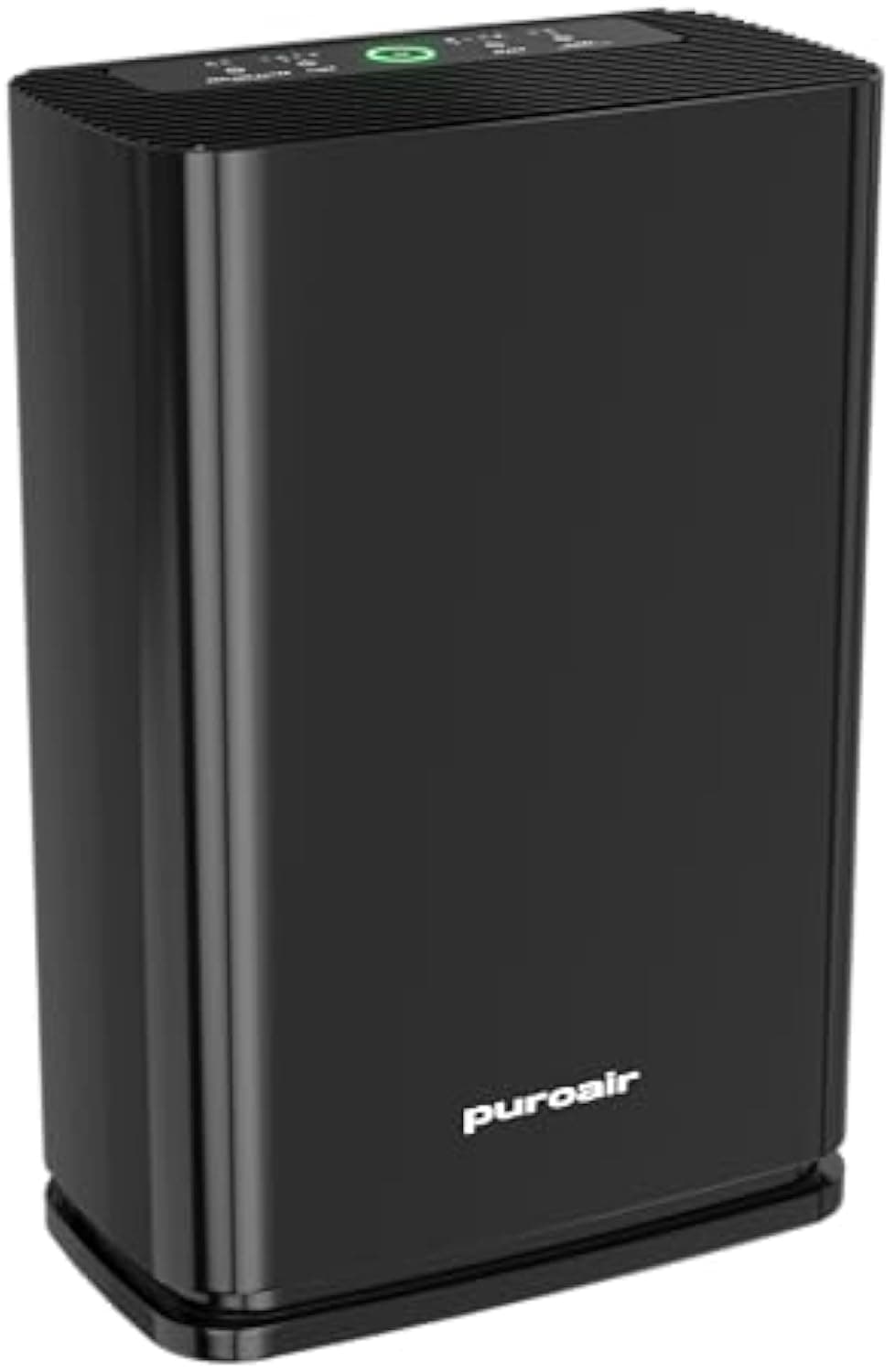
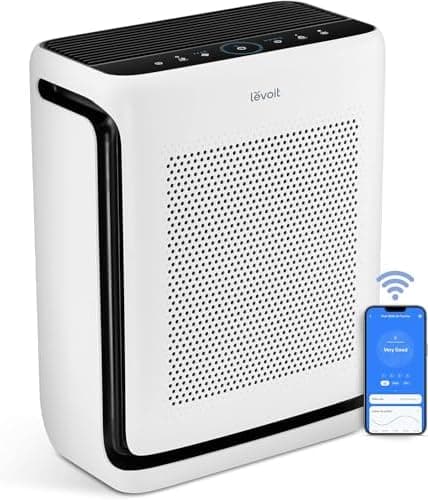
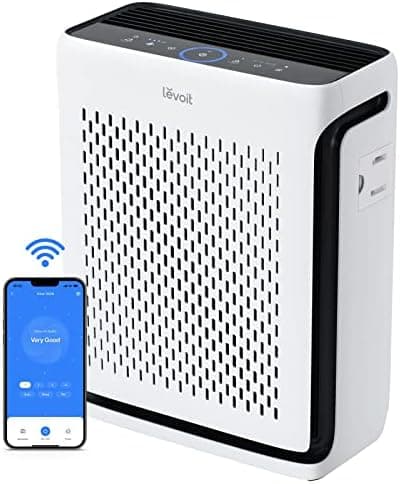
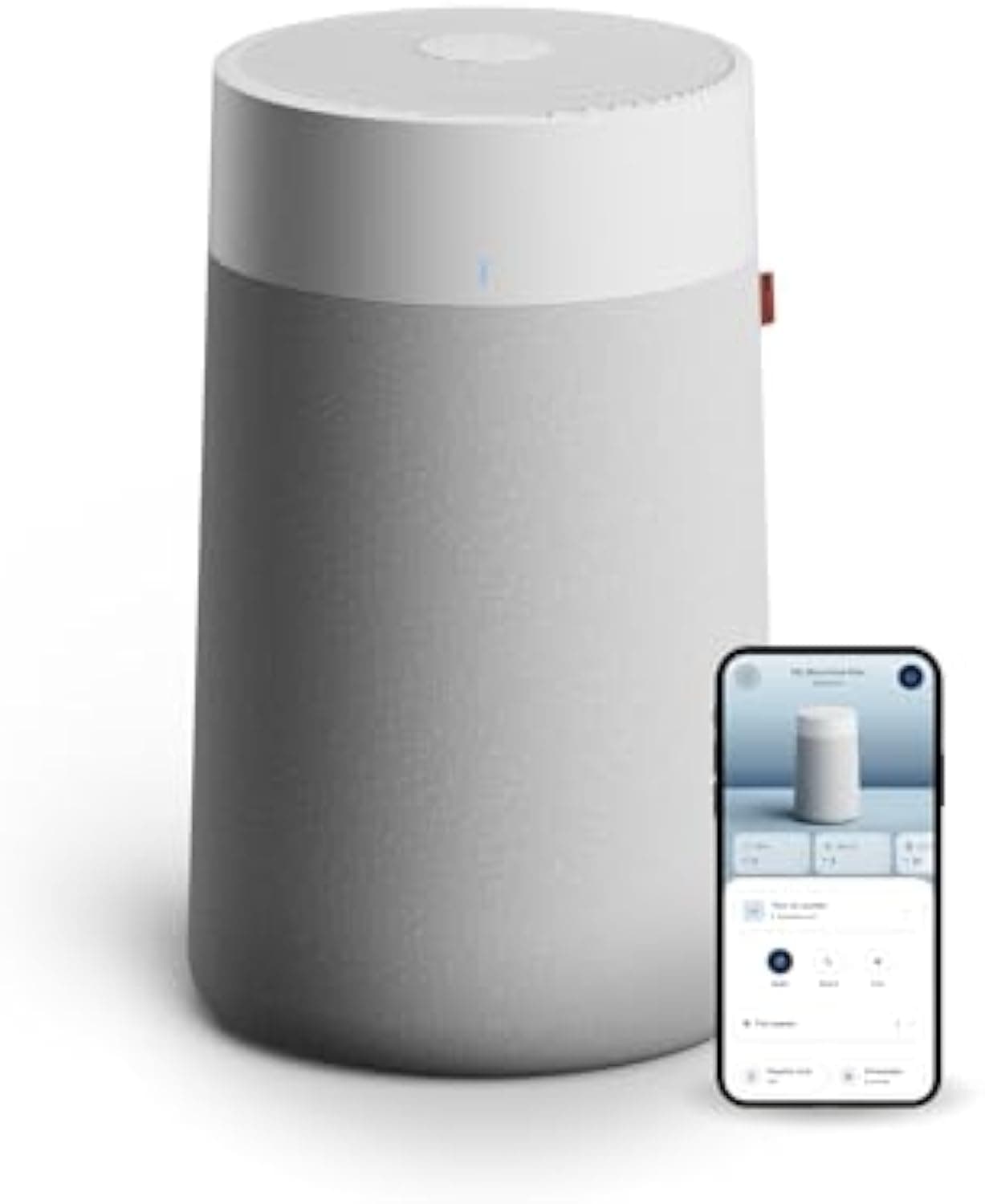
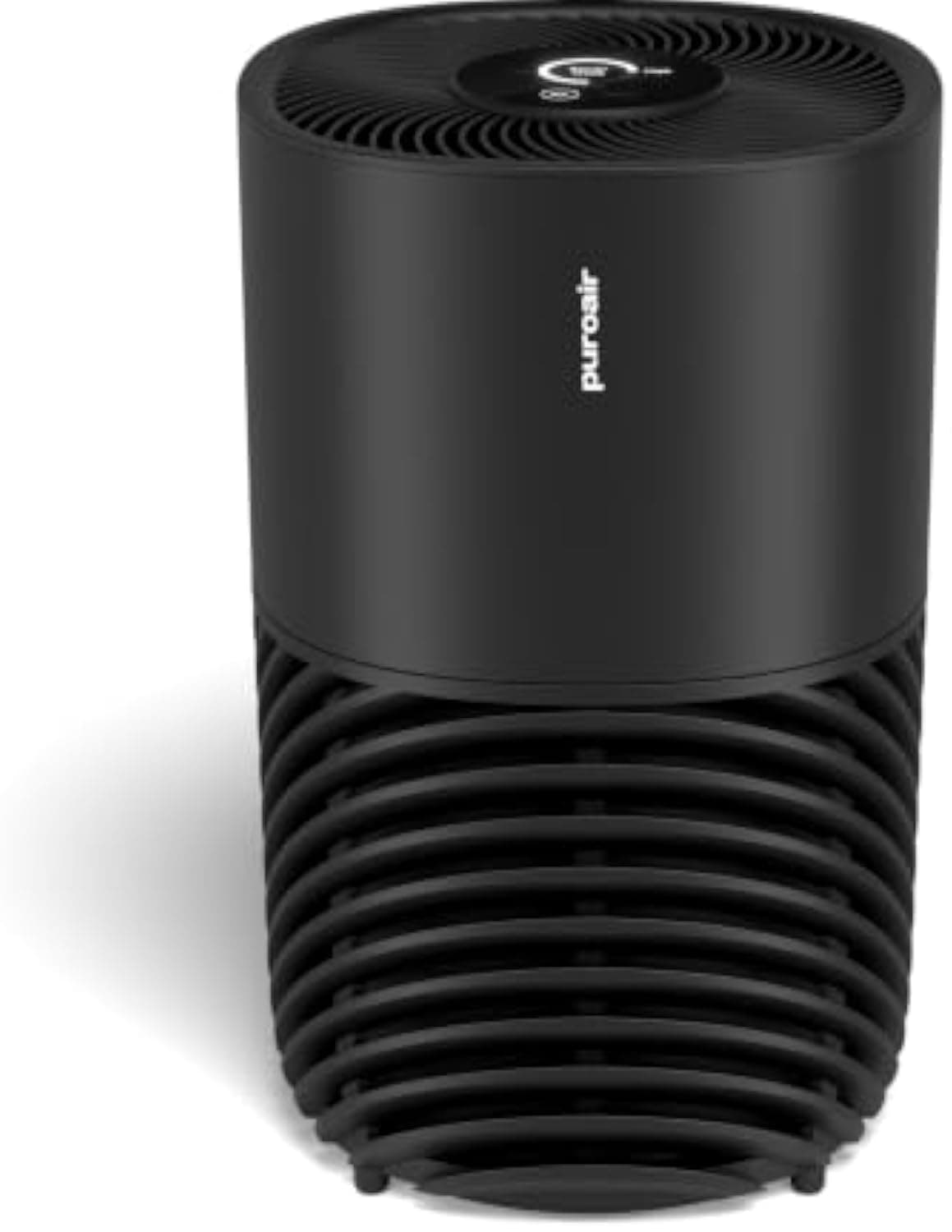
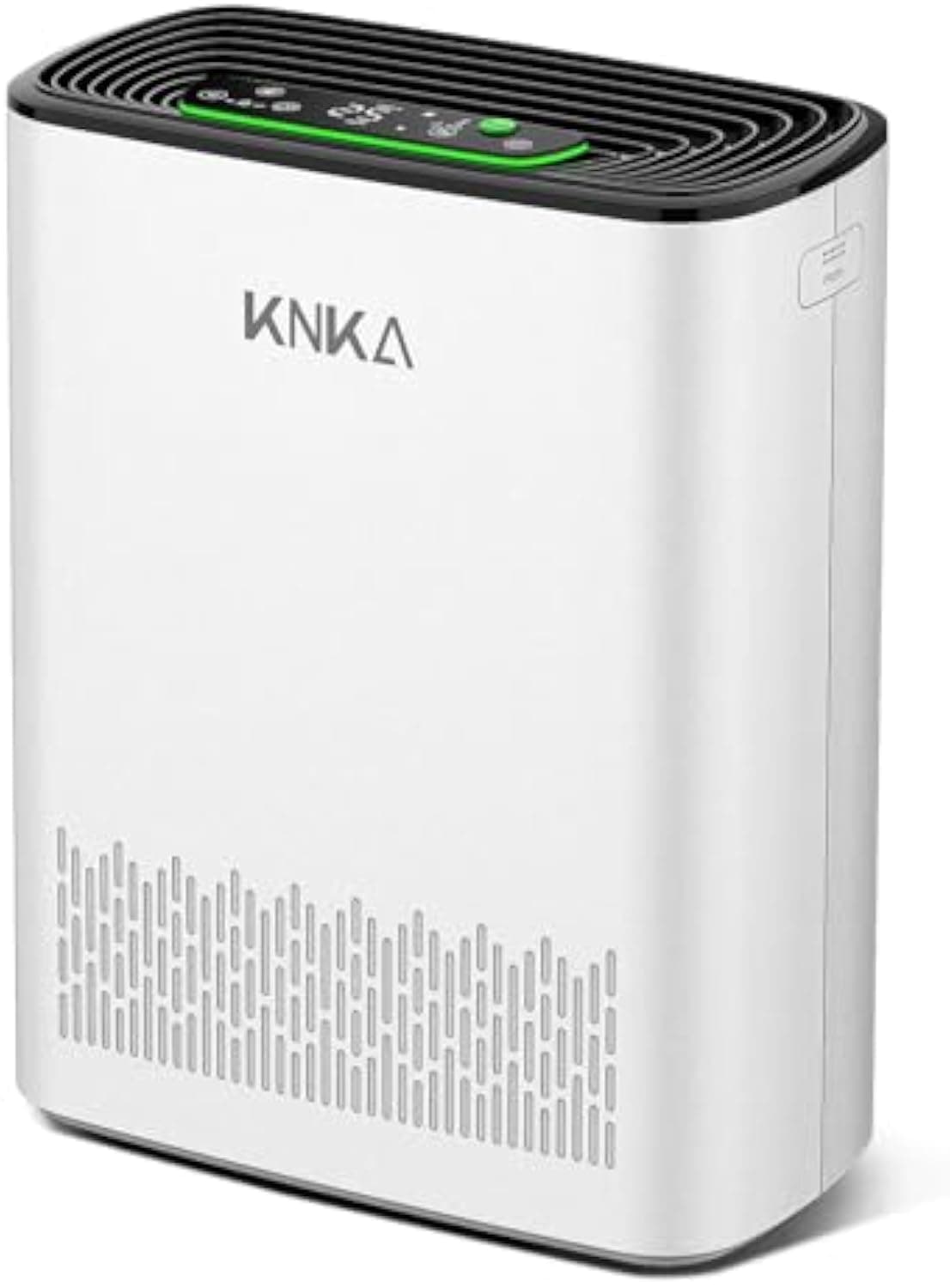
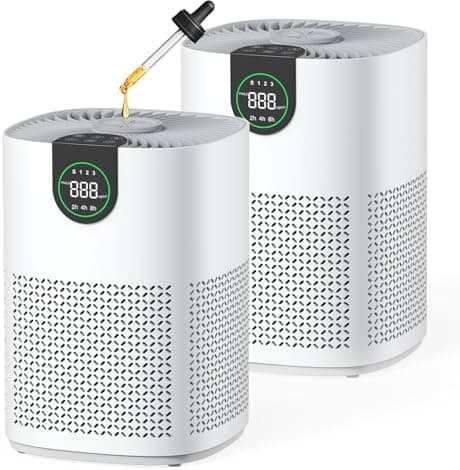
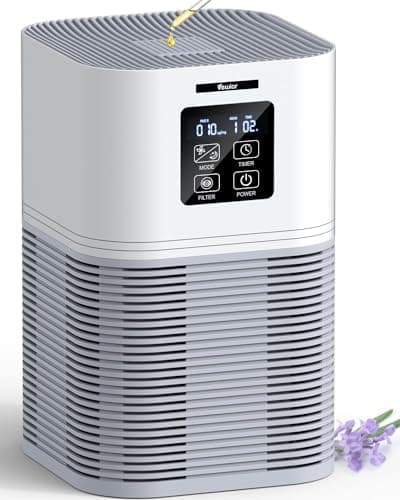
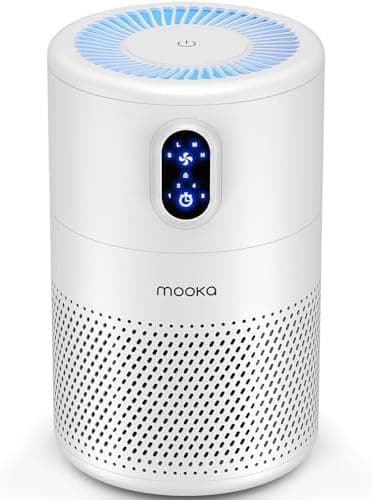
| Spec | | | | | | | | | | |
|---|---|---|---|---|---|---|---|---|---|---|
| Our Score | 9.8/10 | 9.6/10 | 9.4/10 | 9.2/10 | 9.0/10 | 8.8/10 | 8.6/10 | 8.4/10 | 8.2/10 | 8.0/10 |
| Best For | Multi-room setups | Open large rooms | Smart + pets | Bedrooms | Quiet overnight | Small spaces | Budget large rooms | Scent + cleaning | Affordable HEPA | Odor + night use |
| Room Class | Large / multi-room | Extra-large | Large | Medium–large | Medium–large | Small | Extra-large | Large | Small–medium | Medium–large |
| Standout Feature | 2-pack auto cleaning | High smoke/dust coverage | WiFi + washable filter | Sensors + app control | HEPASilent tech | Compact + quiet | AQ monitor | Aromatherapy option | H13 at low price | Night light + odor help |
| Key Tradeoff | Needs two outlets | Larger footprint | Needs Wi-Fi | Less coverage than 200S-P | Filter cost | Limited coverage | Fewer smart features | Fewer long-term reviews | Lower coverage | Fewer app features |
| Price Band | Mid-range | Mid-range | Upper mid | Mid-range | Upper mid | Value | Value–mid | Value | Budget | Budget–value |
Room-coverage claims are often measured under ideal conditions. For daily use, match CADR and stated square footage to the real room where dust, smoke, pets, or pollen bother you most—usually a bedroom, living room, or open-plan area.
If a listing promises coverage far beyond your room size, treat that as headroom at medium fan speeds rather than a reason to buy an oversized unit you will never run comfortably.
True HEPA or H13 filters are strong for pollen, dust, pet dander, and many smoke particles. They do not replace source control: open windows during wildfire smoke, smoking indoors, or heavy cooking still load the air faster than most home units can clear it.
Carbon layers help with odors and some gases, but thick carbon beds matter more for smoke and cooking smells than a thin decorative pad.
A purifier only helps if you leave it on. Check sleep-mode or low-speed noise before buying for a bedroom. Many people run Auto or a mid setting for hours and only use Turbo after cooking, vacuuming, or smoke events.
Quiet brands and modes often trade peak CADR for comfort. That tradeoff is usually worth it for overnight rooms.
App control, air-quality sensors, and schedules are useful when you want Auto mode to ramp up for pets or cooking. They are less important if you mainly need a reliable filter and a quiet fan.
If you choose a smart model like the LEVOIT Vital series, confirm 2.4 GHz Wi-Fi compatibility and whether core cleaning still works when the network is down.
Ongoing filter cost often matters more than the first purchase price. Look for washable pre-filters, clear replacement intervals, and easy access panels.
Budget units can be good starters, but cheap sealed filters that clog quickly erase the savings. Plan replacement cost for the first year before you buy.
Pet homes benefit from strong particle filtration and washable pre-filters that catch hair before it clogs the HEPA stage. Allergy buyers should prioritize continuous low-noise runtime over occasional Turbo bursts.
For smoke, prioritize higher CADR, sealed housing, and enough carbon. Place the unit where air can circulate—not jammed against a wall or behind furniture.
Follow the manufacturer interval, then adjust for pets, smoke, and dust. Many HEPA filters last 6–12 months; washable pre-filters may need cleaning every few weeks. Replace sooner if airflow drops, odor returns, or the filter looks heavily loaded.
Yes for airborne pollen, dust, and pet dander when you run a HEPA purifier in the rooms you spend the most time in. It works best with regular cleaning, closed windows during high pollen, and realistic expectations—it cannot remove allergens already settled in carpets and bedding.
Noise depends on fan speed. Sleep or low modes on good models are quiet enough for bedrooms; Turbo modes are louder and better for short cleaning bursts. If overnight use matters, prioritize quiet mid-speed performance over maximum CADR alone.
Particle filters catch smoke particles, but odor reduction mainly comes from activated carbon. Thin carbon pads help lightly; heavier carbon layers work better for cooking and smoke smells. Source control still matters.
One strong unit works well for a single large room. Two smaller units—like a 2-pack—often clean separate bedrooms or floors more evenly than one oversized machine trying to serve the whole home through doorways.
Editorial Methodology
Last reviewed: 2026-08-04
We rank air purifiers by real-room usefulness: coverage you can actually run, overnight noise, filter ownership cost, and how well each model fits pets, allergies, smoke, or smart-home routines.
We compare published product details, real buying tradeoffs, warranty or support signals, and long-term ownership friction — not marketing claims in isolation. Prices and availability can change, so verify the final details with the retailer before purchasing.