
How We Rank Products
GearsClaw is a product review team, not a storefront. We rank to help consumers decide with fair, open, and objective evidence. If a product is strong, we say so. If it is weak, we say that too. Brands do not buy a better score.

Who we are (and who we are not)
We are reviewers. Our job is to investigate products, pressure-test claims, and publish rankings that a careful shopper can trust. We are not sales staff. We do not exist to move inventory for a brand, and we do not treat affiliate links as a reason to soften criticism.
That distinction matters. A seller optimizes for conversion. A reviewer optimizes for accuracy. When those goals collide, we choose the shopper.
Our responsibility to consumers
A ranking is advice with consequences. People spend real money from these lists. So we hold ourselves to a simple standard: be transparent about how we decide, be consistent across brands, and be willing to call mediocre products mediocre even when they are popular or well marketed.
- Good is good. We explain what earned the place.
- Bad is bad. We do not hide common failures or weak trade-offs.
- No paid ranking slots, badges, or guaranteed positions.
- Same scorecard for every contender in a category.
How the ranking work actually happens
We combine expert hands-on use, physical inspection, owner feedback, and category fundamentals. No single signal crowns a winner. The list has to survive both real use and public scrutiny.

1. Hands-on use, not brochure copy
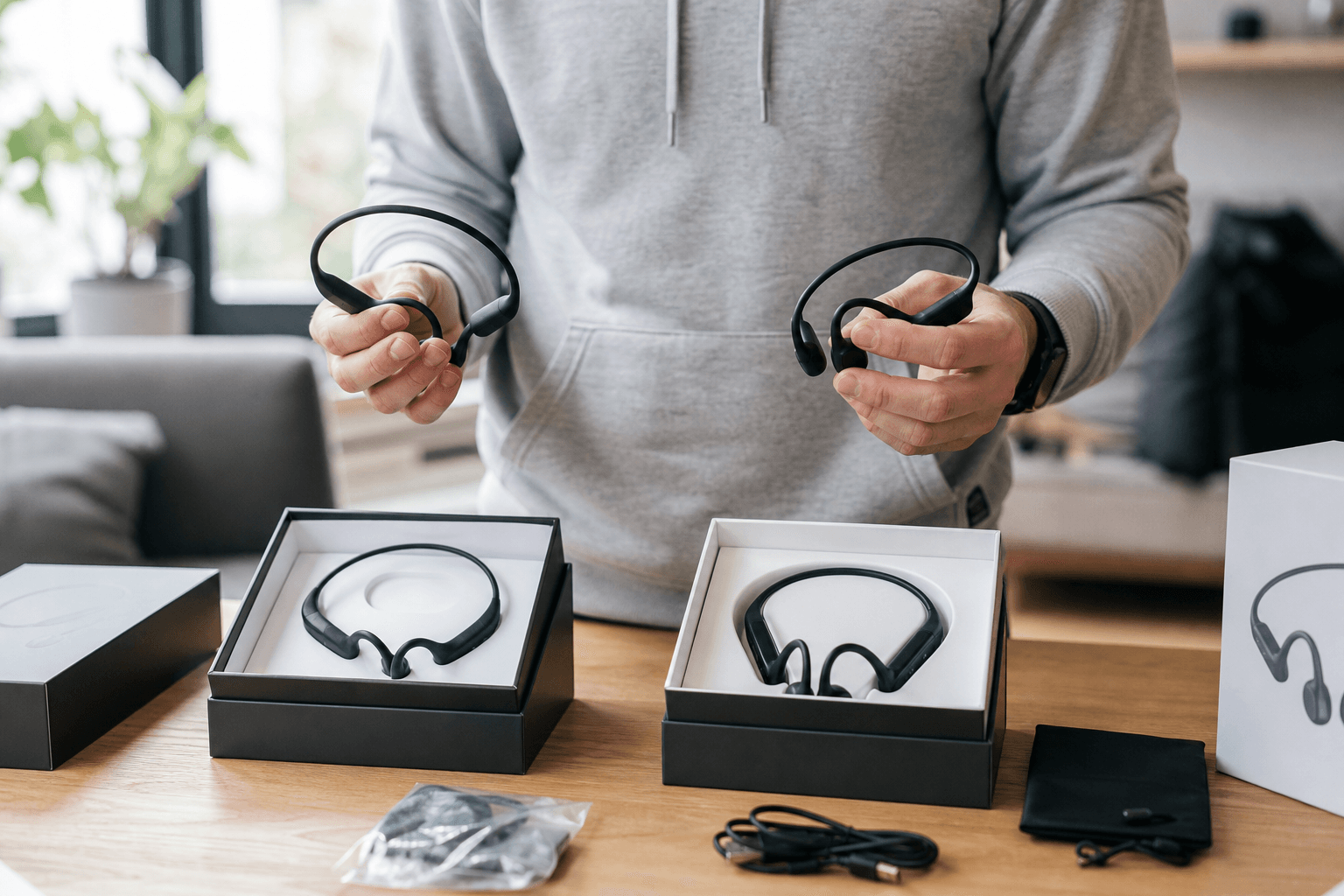
Our expert team actually uses the products we rank. We set them up, run them through ordinary tasks, and note what works and what frustrates. Spec sheets are a starting point. Lived experience decides whether a claim survives.
2. Physical checks and side-by-side comparison
Where it matters, we inspect build, fit, controls, cables, filters, docks, and the small details that marketing photos skip. We put rivals next to each other so ranking is relative to real alternatives, not to a press release.

3. Owner reality after the honeymoon
We also study what long-term owners report: failures, support quality, noise, maintenance pain, and whether the product still feels worth it months later. Launch buzz does not outrank durability and follow-through.
4. Open criteria you can inspect
Every category uses published priorities: performance for the job, reliability, ease of use, value, and trade-offs. We explain why something ranks high or low. If a pick has clear weaknesses, we say so in plain language.
Expert team, real use
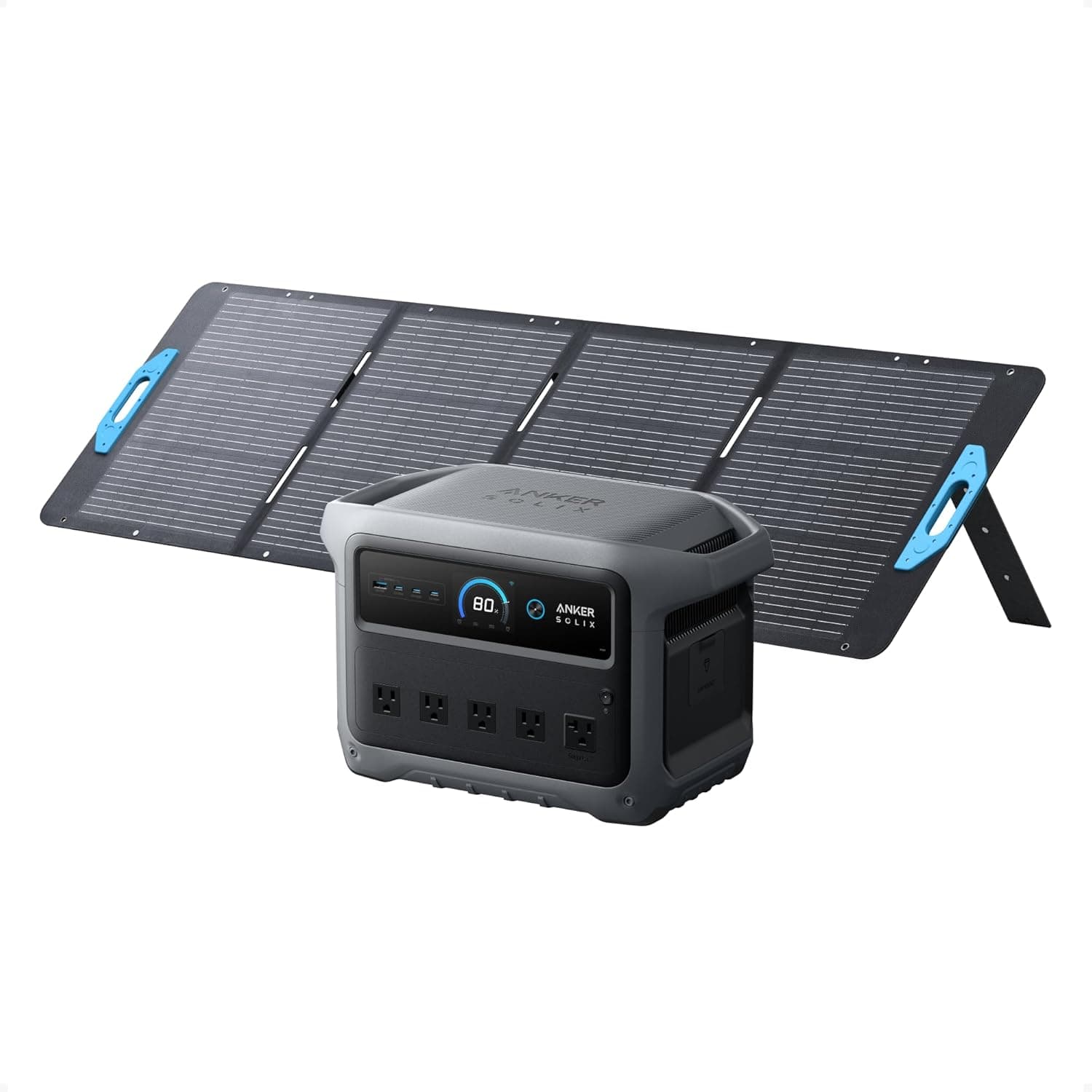
Rankings are written and challenged by people who know the category. That means more than reading Amazon bullets. It means running a pool robot through debris, charging a power station under load, living with headphones on a commute, or checking whether a security camera's night video is actually usable.
When we have not done a specific lab measurement, we do not invent one. We separate what we observed in use from what manufacturers claim, and we flag that difference for readers.
Rankings stay honest over time
Products change. Firmware updates, price cuts, new rivals, and warranty shifts can move a list. We revisit rankings when evidence changes, not when a brand asks for a favor.
A former favorite can drop. A quieter model can rise. Continuity is earned by performance, not by tenure on the page.

Independence and how the site is funded
Some links on GearsClaw are affiliate links. If you buy through them, we may earn a commission at no extra cost to you. That funds research time. It does not purchase a ranking, a softer review, or silence about defects.
- We do not sell positions on our lists.
- We do not bury recurring owner complaints.
- Coverage choices can reflect what readers ask about; conclusions cannot be bought.
- If a product fails our bar, it does not get a courtesy top slot.
The short promise
Fair process. Open reasoning. Objective comparison. Hands-on investigation by an expert team that uses the gear. We work for the consumer first. That is how GearsClaw ranks.
See the rankings for yourself
Read the lists, check the trade-offs, and decide with evidence instead of marketing noise.