

- Our Score
- 9.4/10
- Best For
- Most backyards
- Camera Quality
- 2K or 1080p
- Power
- Battery plus solar options
- AI Model
- Free and paid tiers
- Feeder Type
- Seed feeder
- Standout Feature
- Best all-around balance
- Key Tradeoff
- Bundle differences
- Price Band
- Mid-range
Best Smart Bird Feeders 2026 (Updated August 2026)
Smart bird feeders are at their best when they make birdwatching easier without turning it into another screen-time chore. The useful ones send a clip when a bird lands, help you identify species, and keep working after the novelty wears off. I built this guide around the questions that matter after the unboxing: Is the camera clear enough for real identification? Will the battery and Wi-Fi survive the placement I want? Do I need a subscription for the feature I actually care about? And will the feeder be easy to clean once the birds start using it every day?
Smart Bird Feeder Comparison
The best smart bird feeder depends on whether you care most about app quality, image detail, hummingbirds, seed capacity, or avoiding a recurring AI subscription.
- Our Score
- 9.3/10
- Best For
- App-first birdwatching
- Camera Quality
- 2K plus high-resolution photos
- Power
- Battery plus solar roof option
- AI Model
- Species and activity insights
- Feeder Type
- Modular seed feeder
- Standout Feature
- Best discovery app
- Key Tradeoff
- Premium cost
- Price Band
- Premium
- Our Score
- 9.1/10
- Best For
- 4K detail
- Camera Quality
- 4K plus high-resolution stills
- Power
- Battery plus dual solar
- AI Model
- Optional advanced features
- Feeder Type
- Large seed feeder
- Standout Feature
- Best image detail
- Key Tradeoff
- More expensive
- Price Band
- Premium
- Our Score
- 8.9/10
- Best For
- Multiple angles
- Camera Quality
- Dual-view 2K
- Power
- Large battery plus solar
- AI Model
- Recognition and alerts
- Feeder Type
- Dual-view seed feeder
- Standout Feature
- Family-friendly coverage
- Key Tradeoff
- Bigger footprint
- Price Band
- Upper mid-range
- Our Score
- 8.8/10
- Best For
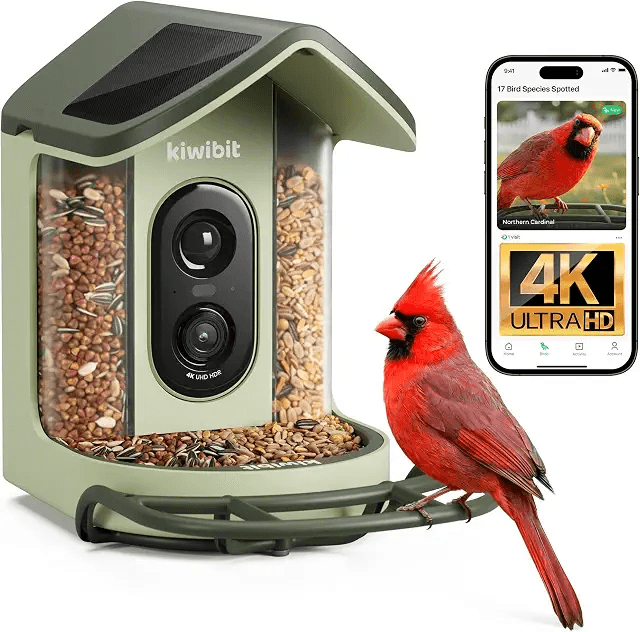
- Capacity and lifetime AI
- Camera Quality
- 4K wide-angle camera
- Power
- Battery plus solar
- AI Model
- Lifetime-AI bundle available
- Feeder Type
- Dual-compartment seed feeder
- Standout Feature
- Lower recurring-cost path
- Key Tradeoff
- Smaller ecosystem
- Price Band
- Upper mid-range
- Our Score
- 8.7/10
- Best For
- Hummingbirds
- Camera Quality
- HD hummingbird capture
- Power
- Battery plus solar
- AI Model
- Recognition and notifications
- Feeder Type
- Nectar feeder
- Standout Feature
- Purpose-built hummingbird design
- Key Tradeoff
- Specialized use
- Price Band
- Premium
- Our Score
- 8.5/10
- Best For
- Capacity and appearance
- Camera Quality
- 2K
- Power
- Battery plus solar
- AI Model
- Recognition with optional extras
- Feeder Type
- Large two-seed feeder
- Standout Feature
- Natural-looking high capacity
- Key Tradeoff
- More cleaning surface
- Price Band
- Upper mid-range
| Spec | |||||||
|---|---|---|---|---|---|---|---|
| Our Score | 9.4/10 | 9.3/10 | 9.1/10 | 8.9/10 | 8.8/10 | 8.7/10 | 8.5/10 |
| Best For | Most backyards | App-first birdwatching | 4K detail | Multiple angles | Capacity and lifetime AI | Hummingbirds | Capacity and appearance |
| Camera Quality | 2K or 1080p | 2K plus high-resolution photos | 4K plus high-resolution stills | Dual-view 2K | 4K wide-angle camera | HD hummingbird capture | 2K |
| Power | Battery plus solar options | Battery plus solar roof option | Battery plus dual solar | Large battery plus solar | Battery plus solar | Battery plus solar | Battery plus solar |
| AI Model | Free and paid tiers | Species and activity insights | Optional advanced features | Recognition and alerts | Lifetime-AI bundle available | Recognition and notifications | Recognition with optional extras |
| Feeder Type | Seed feeder | Modular seed feeder | Large seed feeder | Dual-view seed feeder | Dual-compartment seed feeder | Nectar feeder | Large two-seed feeder |
| Standout Feature | Best all-around balance | Best discovery app | Best image detail | Family-friendly coverage | Lower recurring-cost path | Purpose-built hummingbird design | Natural-looking high capacity |
| Key Tradeoff | Bundle differences | Premium cost | More expensive | Bigger footprint | Smaller ecosystem | Specialized use | More cleaning surface |
| Price Band | Mid-range | Premium | Premium | Upper mid-range | Upper mid-range | Premium | Upper mid-range |
In-Depth Review
A smart bird feeder is not really one product category. It is a few different ideas sharing the same shell: a camera that watches a perch, an app that turns motion into notifications, and an AI layer that tries to tell you what just arrived.
That is why the right pick depends on what you want to notice. Birdfy is the safest all-around starting point. Birdbuddy feels more like a birdwatching platform. Hibird is for image detail. The Duo is for coverage. None of them is automatically best for every yard.
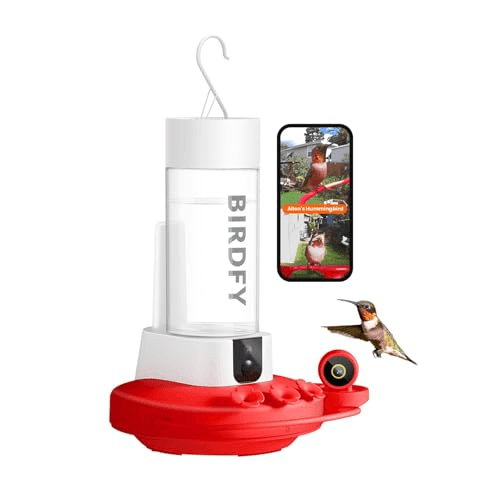
#1Birdfy Feeder
Why it is the safest first buy
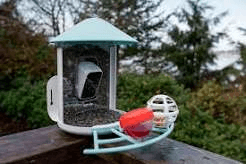
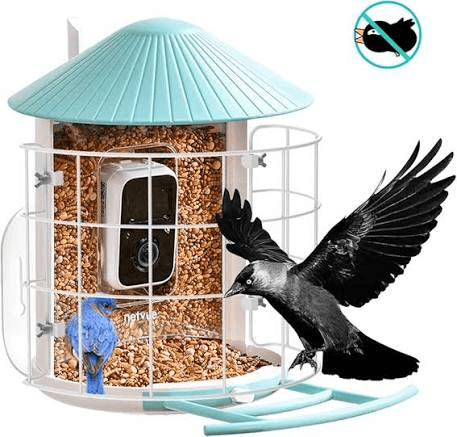
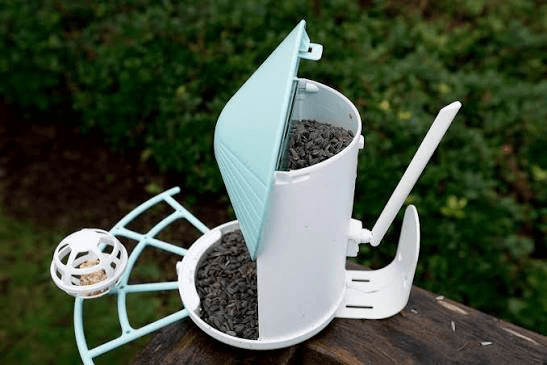
Birdfy wins the broad recommendation because it makes the category easy to understand. You get a camera feeder, motion alerts, bird recognition, a familiar mobile app, and several power configurations without being forced into a highly specialized setup.
- Best starting point for most seed-feeding backyards
- Good balance between image quality and price
- More bundle choices than many smaller competitors
- Easy to recommend when you are unsure whether you need 4K
That flexibility matters more than one headline specification. A smart bird feeder lives outdoors, so placement, sunlight, Wi-Fi reach, and cleaning habits decide whether the camera becomes part of your routine or a gadget you stop checking.
What to watch before buying
Birdfy sells several feeder and camera combinations, so the name alone does not tell you everything. Confirm whether the package includes solar charging, which camera resolution you are getting, and which AI or cloud features are included without a subscription.
That is not a deal-breaker. It is simply the normal shopping friction of a product family with many configurations.
Bottom Line
If you want the least risky introduction to smart bird feeders, start here and choose the bundle around your yard rather than automatically buying the most expensive camera.
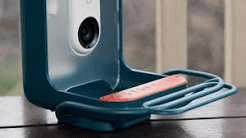
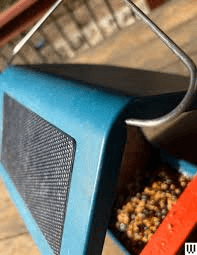
#2Birdbuddy Smart Bird Feeder Pro
The best app-led experience
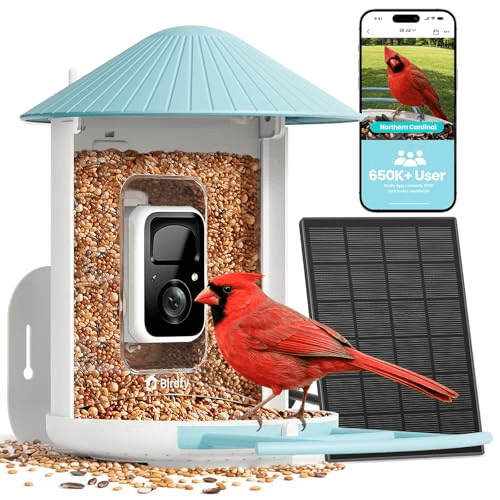
Birdbuddy feels different because the product is not just trying to show you a live view. Its software is designed around the idea of receiving small, enjoyable bird moments: a visit, a photo, a species suggestion, or a short clip worth sharing.
- Most approachable experience for casual birders
- Good fit for families who want shared discoveries
- A strong choice when app design matters as much as camera hardware
- Solar option helps in exposed placements
That makes it especially easy to recommend for families and gifts. The app becomes part of the appeal, and the feeder feels less like an outdoor camera that happens to face birds.
Where it is not the perfect fit
Birdbuddy is not the best answer if your top priority is maximum seed capacity or the sharpest possible 4K crop. It is also not the feeder I would choose for a yard where the only realistic installation spot has weak Wi-Fi and very little sun.
Think of it as the most polished birdwatching experience, not the most industrial outdoor camera.
Bottom Line
Choose Birdbuddy Pro when you want birdwatching to feel delightful and shareable, not merely documented.
#3Hibird Pro Smart Bird Feeder
The detail-first pick
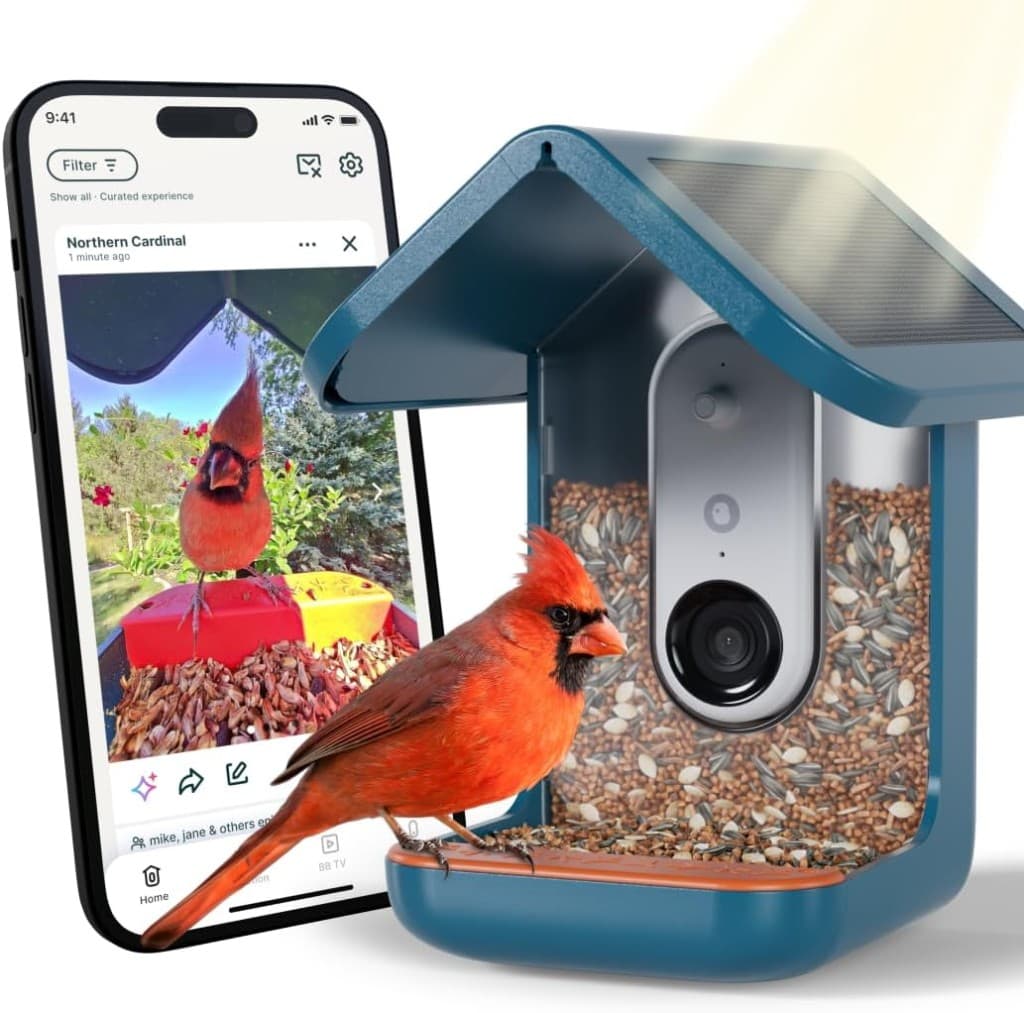
Hibird Pro is the one to consider when you already know that image detail will matter. A 4K camera, wide lens, high-resolution stills, and solar-assisted battery design give it a stronger case for people who want to inspect feather patterns, beaks, and markings after the visit.
- Best fit for close-up observation and cropping
- More future-proof if camera quality is your main priority
- Dual-band Wi-Fi is useful for more demanding installations
- Solar assistance reduces the need for frequent charging
That extra detail is useful, but it is not magic. The camera still needs a sensible angle, enough light, a clean lens, and a feeder position that brings birds close rather than leaving them as tiny shapes in the background.
Why it does not rank first
Most buyers do not need the category's most aggressive camera package. They need a feeder that is easy to mount, easy to clean, and pleasant to check. Hibird's higher hardware ceiling comes with more cost and more reasons to compare the exact app and subscription terms before ordering.
Bottom Line
If your favorite part of birdwatching is studying the image afterward, Hibird Pro is the most defensible premium upgrade in this list.
#4Birdfy Feeder 2 Duo
The coverage upgrade
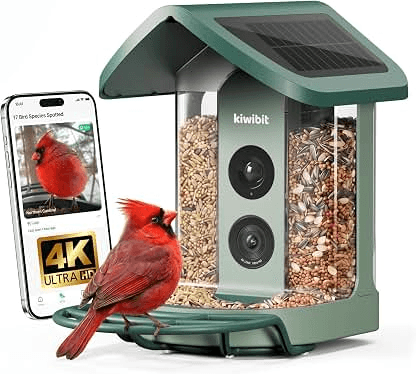
The Duo is built around a simple problem: one camera angle often misses the moment. A bird lands on the perch, another approaches from the side, and the most interesting part of the visit happens just outside the frame.
- More useful coverage than a single camera
- Good choice for families and shared accounts
- Solar support makes the larger battery easier to manage
- More information about how birds approach and leave the feeder
Two views make the product more compelling for busy yards and households where several people want to watch. It is also a better fit when the feeder's placement makes one fixed lens feel too restrictive.
The tradeoff is physical, not just financial
The Duo is larger and more visually present than a simple seed feeder. That can be a benefit in a big backyard, but it is less attractive if you are trying to keep the feeder discreet or mount it close to a window or balcony.
Bottom Line
Buy the Duo when coverage is the problem you are trying to solve. If you only want a single clean bird portrait, the standard Birdfy or Birdbuddy Pro is easier to justify.
Smart Bird Feeder Buying Guide
What does a smart bird feeder actually add?
A normal feeder asks you to be outside at the right moment. A smart feeder uses a camera and motion detection to bring more of those moments to you. Depending on the product, you may get live view, short clips, push alerts, species suggestions, two-way audio, and a record of repeat visitors.
- Camera alerts for visits you would otherwise miss
- AI-assisted species identification
- Remote viewing and family sharing
- A searchable or shareable record of backyard activity
The best reason to buy one is not that it is clever. It is that birds do not keep your schedule. A camera turns quick visits into something you can notice later.
Choose camera quality before chasing AI
AI labels are fun, but the camera is what determines whether the visit is actually useful. Look for a clear view of the perch, enough light, a lens that is not easily blocked by the roof, and a field of view that keeps the bird close enough to identify.
A 4K camera can preserve more detail than a 1080p camera, but resolution alone does not fix a poor angle or a feeder placed too far from the action.
Solar is helpful, not magical
Solar charging is one of the most useful upgrades for an outdoor camera, especially when the feeder is mounted high or away from an easy-to-reach path. It still needs enough direct light, and shaded yards can reduce the benefit quickly.
If your yard is mostly covered, prioritize a removable battery and an installation position you can safely reach. A solar panel you cannot keep clean or aim toward light is not much of a convenience.
Read the subscription model before you buy
Many smart feeders offer a useful free tier and then reserve longer video history, richer AI identification, cloud storage, or more detailed insights for a paid plan. That is not automatically bad, but it changes the real cost of ownership.
Kiwibit's lifetime-AI bundle is attractive for buyers who want to avoid a monthly fee. Birdfy and Birdbuddy are easier to understand when you compare the included features with the plan you would realistically use.
Placement decides more than the product page admits
A smart bird feeder needs a stable mounting point, useful Wi-Fi, enough light for the camera, and a location birds will actually trust. Start by choosing the viewing position, then work backward to the feeder model.
- Check 2.4GHz Wi-Fi coverage before mounting permanently
- Avoid direct glare on the lens during the brightest part of the day
- Choose a height that discourages easy squirrel access
- Leave enough room to remove the tray and clean the feeder
Keep the feeder close enough to a window for a pleasant viewing angle, but far enough from dense cover that cats or squirrels can use it as a launch point. Follow the manufacturer's mounting guidance and local wildlife recommendations.
Cleaning is part of the smart-feeder experience
The camera may be smart, but the feeder still holds food outdoors. Seed husks, moisture, droppings, and mold can build up quickly, especially in humid or rainy conditions.
Choose a design you can open, empty, and scrub without fighting the camera housing. Replace wet food, keep nectar feeders on a stricter cleaning schedule, and do not let the convenience of remote alerts turn into neglect.
Seed feeders and hummingbird feeders are different purchases
Hummingbirds need nectar, different perches, and a camera position that can handle fast movement. A general seed feeder is not a substitute, even if the product page says it can identify hummingbirds.
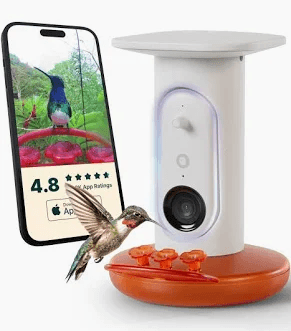
If hummingbirds are the reason you are shopping, start with a purpose-built hummingbird feeder such as Birdbuddy's Pro Solar model rather than trying to make a general feeder do two jobs.
Who should buy which one?
- Choose Birdfy Feeder for the safest all-around starting point.
- Choose Birdbuddy Pro if the app and family sharing matter most.
- Choose Hibird Pro if close-up 4K detail is the main reason you are buying.
- Choose Birdfy Feeder 2 Duo if one camera angle is not enough.
- Choose Kiwibit Bird Feeder 2 if a lifetime-AI bundle is important to your budget.
- Choose Birdbuddy Hummingbird Pro Solar for nectar-feeding hummingbirds.
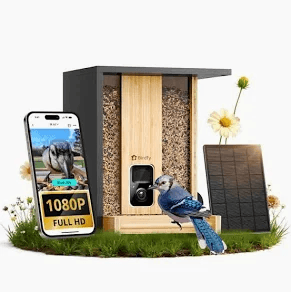
- Choose Birdfy Bamboo if you want more capacity and a softer backyard look.
FAQ
Are smart bird feeders worth it?
They are worth it when you want to notice more visits, learn which birds use your yard, or share backyard activity with family. They are less compelling if you already spend a lot of time watching a normal feeder and do not want another app or device to maintain.
Do smart bird feeders need Wi-Fi?
Most camera-based smart feeders need Wi-Fi for live view, alerts, cloud clips, and AI features. Some can keep recording locally or store limited events without a connection, but you should treat stable 2.4GHz Wi-Fi as a practical requirement unless the product documentation says otherwise.
Do I need a subscription for bird identification?
Not always. Several products include a basic identification experience and then reserve a larger species library, longer history, or extra AI tools for paid plans. Check the exact bundle and current app terms before buying because the free-versus-paid split can change.
Which smart bird feeder has the best camera?
Hibird Pro has the strongest published camera specification in this guide, with a 4K image-first approach. That does not automatically make it the best for every yard. A well-placed 2K feeder can produce more useful clips than a 4K feeder pointed into glare or shadow.
Which smart bird feeder is best for hummingbirds?
Birdbuddy Smart Hummingbird Feeder Pro Solar is the best fit here because it is designed around nectar, hummingbird perches, and close fast-moving activity. A general seed feeder is not the right substitute if hummingbirds are your main goal.
How far should I place a smart bird feeder from my house?
There is no single perfect distance. Place it where birds have a clear approach, the camera avoids harsh glare, and your Wi-Fi remains reliable. A moderate distance from a window is usually easier to watch and photograph than a feeder hidden deep inside dense cover.
Can smart bird feeders keep squirrels away?
Some designs and mounting choices make squirrels less successful, but a camera does not replace physical squirrel resistance. Height, pole placement, baffles, seed choice, and the surrounding branches usually matter more than the AI features.
What food should I put in a smart bird feeder?
Use food appropriate for the feeder and local birds, such as clean seed mixes for seed feeders or fresh nectar for hummingbird feeders. Avoid letting food stay wet or moldy, and follow the manufacturer's cleaning and feeding guidance.
Are AI bird identifications always accurate?
No. Treat AI identification as a helpful suggestion, not a field-guide verdict. Similar species, poor lighting, partial views, juvenile birds, and unusual angles can all lead to mistakes. Use the photo or clip to confirm the result with a trusted bird guide when accuracy matters.
Which smart bird feeder is the best first purchase?
Birdfy Feeder is the safest first purchase for most people because it balances camera quality, app features, solar options, and price without forcing you into the most specialized setup.
Editorial Methodology
How We Chose These Picks
Last reviewed: 2026-08-02
7
Smart Feeders Compared
8
Buying Factors Covered
10
Buyer FAQs Answered
2026
Current Review Cycle
Editorial note: this guide was updated on August 2, 2026 using currently visible product information from Birdfy, Birdbuddy, Hibird, and Kiwibit, with category coverage cross-checked against recent smart bird feeder roundups from PCMag and WIRED. The ranking is a research-based editorial comparison, not a claim that every model was tested in one controlled lab. We emphasize camera usefulness, placement, power, cleaning, app friction, recurring AI costs, and honest tradeoffs instead of repeating marketing species counts as proof of accuracy.
We compare published product details, real buying tradeoffs, warranty or support signals, and long-term ownership friction — not marketing claims in isolation. Prices and availability can change, so verify the final details with the retailer before purchasing.