10 Best Charging Stations 2026 (Updated August 2026)

We reviewed the best charging stations for August 1, 2026 based on charging speed, install friction, app quality, load management, cable reach, weather durability, and long-term value. This guide focuses on Level 2 home EV charging stations that make sense for real garages, driveways, and mixed NACS or J1772 households.

Charging Station Comparison

Use this table to sort by panel constraints, connector type, weather exposure, and future EV plans. The best **charging station** is the one that fits your house and parking routine, not the one with the flashiest max-amp claim.

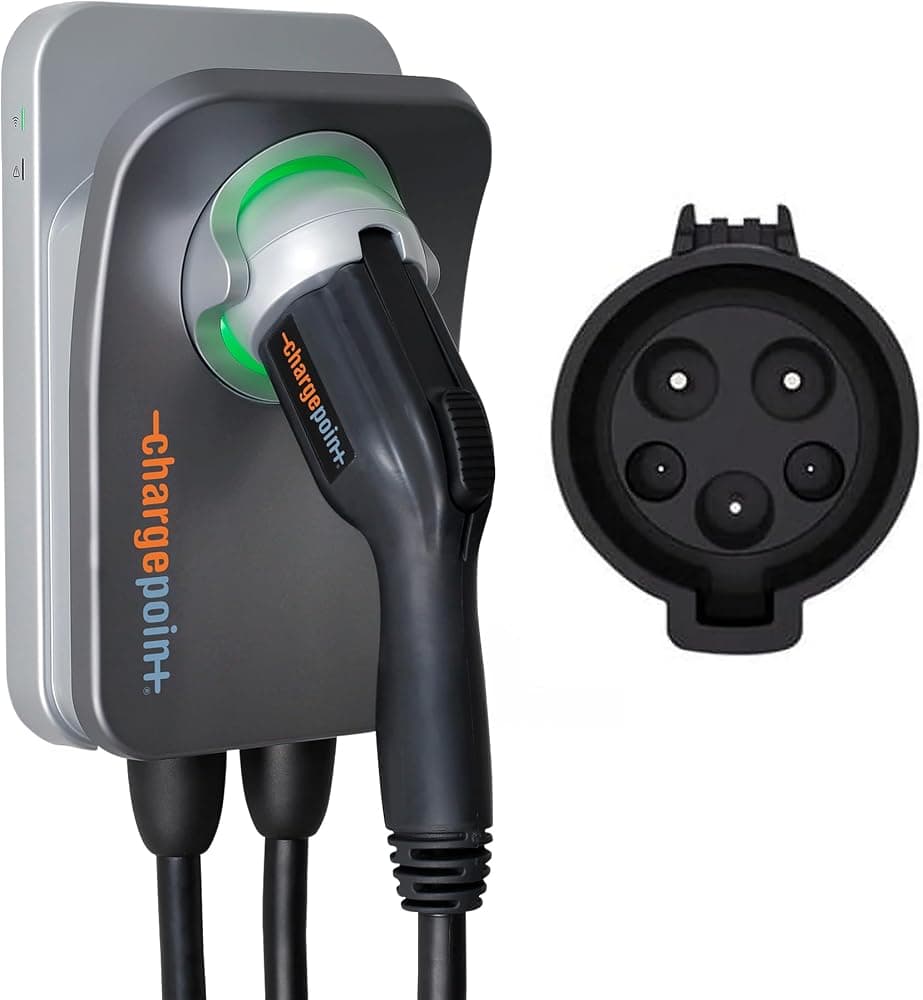
ChargePoint Home Flex
#1

ChargePoint Home Flex

Our Score
9.8/10
Best For
Most homes
Connector
J1772 or NACS
Power Class
Up to 48A
Install
Hardwire or plug-in
Load Management
Flexible setup
Smart Features
Mature app
Cable
Long cable
Price Band
Premium
Tesla Universal
#2

Tesla Universal

Our Score
9.6/10
Best For
Mixed EV homes
Connector
NACS + J1772 adapter
Power Class
Up to 48A
Install
Hardwire
Load Management
Power sharing
Smart Features
Tesla app
Cable
Long cable
Price Band
Premium
Emporia Pro
#3

Emporia Pro

Our Score
9.4/10
Best For
Tight panels
Connector
J1772 or NACS
Power Class
Up to 48A
Install
Hardwire or plug-in
Load Management
Strong
Smart Features
Energy-rich app
Cable
Long cable
Price Band
Upper mid-range
Wallbox Pulsar Plus
#4

Wallbox Pulsar Plus

Our Score
9.2/10
Best For
Compact smart installs
Connector
J1772
Power Class
40A to 48A
Install
Hardwire
Load Management
Energy aware
Smart Features
App + access control
Cable
Long cable
Price Band
Upper mid-range
FLO Home X6
#5

FLO Home X6

Our Score
9.0/10
Best For
Harsh weather
Connector
J1772
Power Class
Up to 50A
Install
Hardwire
Load Management
Smart controls
Smart Features
Connected app
Cable
Cold-ready cable
Price Band
Premium
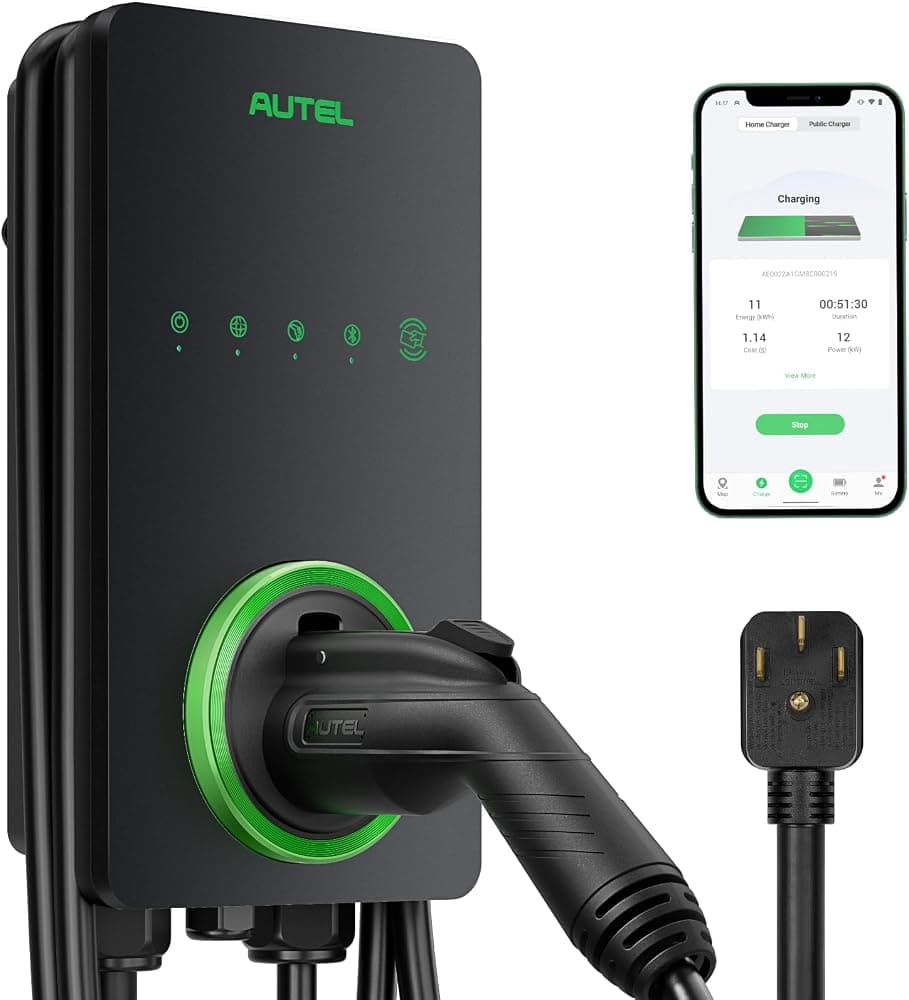
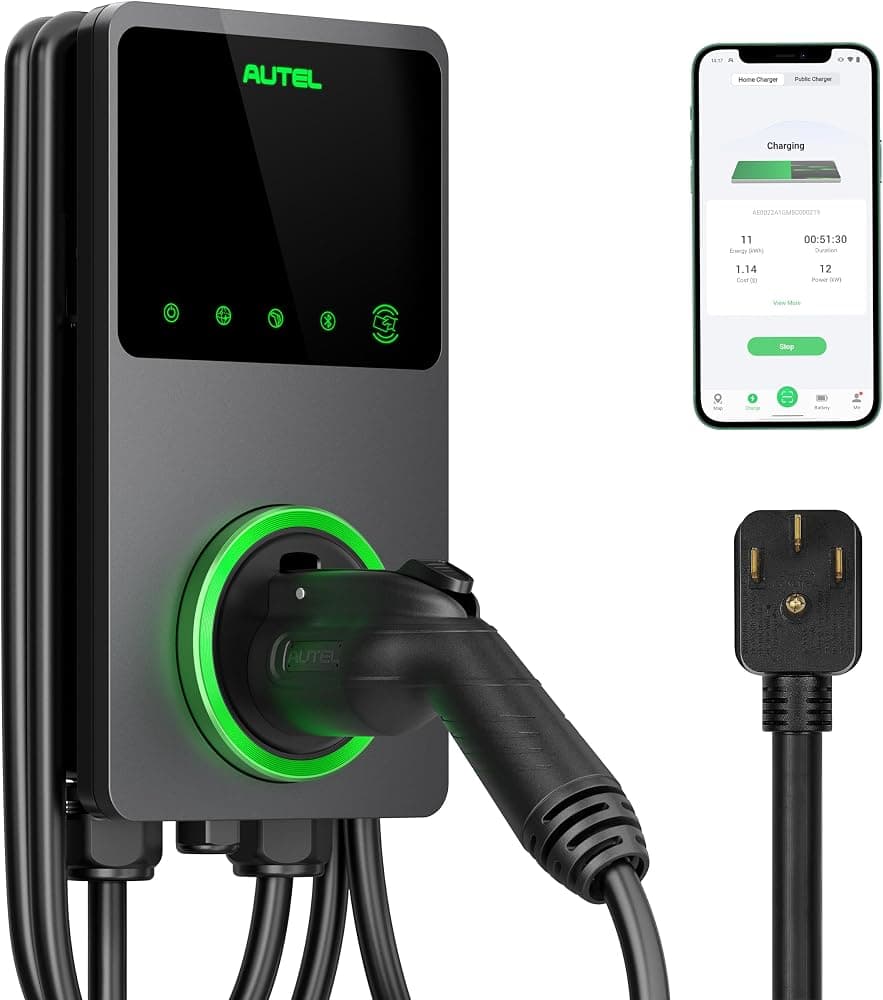
Autel AC Elite Home 50A
#6

Autel AC Elite Home 50A

Our Score
8.9/10
Best For
Smart value
Connector
J1772
Power Class
Up to 50A
Install
Hardwire or plug-in
Load Management
Smart charging
Smart Features
App + RFID
Cable
Long cable
Price Band
Mid-range
Grizzl-E Classic Connect
#7

Grizzl-E Classic Connect

Our Score
8.8/10
Best For
Rugged simplicity
Connector
J1772
Power Class
40A
Install
Plug-in or hardwire
Load Management
Basic smart
Smart Features
Connected app
Cable
Outdoor-ready cable
Price Band
Upper mid-range
Enphase IQ EV Charger 2
#8

Enphase IQ EV Charger 2

Our Score
8.7/10
Best For
Solar homes
Connector
J1772 or NACS
Power Class
Up to 50A
Install
Hardwire
Load Management
Energy-system aware
Smart Features
Enphase ecosystem
Cable
Fixed cable
Price Band
Premium
Grizzl-E Duo Connect
#9

Grizzl-E Duo Connect

Our Score
8.5/10
Best For
Two EVs
Connector
Dual J1772
Power Class
Shared 40A
Install
Hardwire
Load Management
Shared output
Smart Features
Connected management
Cable
Dual cables
Price Band
Premium
Emporia Classic
#10

Emporia Classic

Our Score
8.3/10
Best For
Budget smart charging
Connector
J1772 or NACS
Power Class
40A to 48A
Install
Plug-in or hardwire
Load Management
Good value
Smart Features
App + schedules
Cable
Long cable
Price Band
Value-mid

In-Depth Review

Most buyers think they need the fastest charger they can afford. That is rarely the real problem. The real problem is usually panel capacity, cable reach, driveway layout, connector mismatch, or an install quote that turns a good deal into a bad one.

That is why we rate charging stations on fit, not just amps. A great home EV charger should match the car, the house, and the way the household parks every night.

#1ChargePoint Home Flex

Overview

ChargePoint Home Flex wins because it gets fewer things wrong than almost anything else in this category. It is fast enough for serious overnight charging, flexible enough for different home setups, and polished enough that daily use feels simple.

That matters more than a spec-sheet spike. A home charger becomes a routine appliance. If the app is clumsy, the cable is awkward, or the install fit is narrow, you feel it for years.

What We Like

  • It is one of the safest default buys because it fits a wide range of breaker, connector, and garage-use scenarios.
  • The app and scheduling layer feel mature rather than half-finished, which matters once charging becomes part of your weekly routine.
  • It stays relevant even if the household changes cars later, which lowers the odds of buyer regret.
  • It balances charging speed, install flexibility, and long-term usability better than most rivals.

Bottom Line

If you want one home EV charging station that is easy to recommend to almost any homeowner, this is the cleanest all-around pick.

#2Tesla Universal Wall Connector

Overview

Tesla Universal Wall Connector is the smart pick when the household does not want connector drama. The built-in adapter is not a gimmick. It solves a real daily annoyance in mixed-EV homes.

It also helps future-proof the install. If the next car changes connector standards, the charger still makes sense.

Who It Fits Best

  • Households with one Tesla and one non-Tesla EV.
  • Buyers who expect the next vehicle choice to stay flexible.
  • Homeowners who want a clean hardwired install and strong app control.
  • People who care as much about daily charging convenience as they do about max output.

Bottom Line

Choose this when connector flexibility is not a nice extra but a core part of the buying decision.

#3Emporia Pro Level 2 EV Charger

Overview

Emporia Pro stands out because it attacks one of the most expensive home-charging problems: limited electrical headroom. Many buyers do not need a bigger charger. They need a smarter charger that can live with the panel they already have.

That makes this a more strategic buy than many faster-sounding rivals. The value is in making the install workable, not in winning a spec race.

Why It Stands Out

  • It is one of the most credible picks for avoiding or delaying an expensive service-upgrade project.
  • The energy-management angle is practical, not theoretical, for homes with air conditioning, electric dryers, and other heavy loads.
  • It makes more sense than a basic charger when the house is the bottleneck, not the car.
  • For many buyers, install realism matters more than a slightly prettier box on the wall.

Bottom Line

If your panel is tight and you want a charger that works with the home instead of fighting it, Emporia Pro deserves serious attention.

Charging Station Buying Guide

Start with the house, not the charger

Many buyers shop by max amps first. That is backwards. Start with the panel, the breaker space, the parking layout, and how far the cable must reach.

A charger that looks perfect online can become a bad buy if the install quote explodes or the cable barely reaches the charge port.

More amps do not always mean meaningfully faster charging

Your car sets a ceiling. If the vehicle can only accept lower AC charging, a bigger wall charger does not magically change that.

That is why a well-matched 40A or 48A charger often makes more sense than chasing the highest number on the page.

Hardwired versus plug-in is a real choice

Hardwired installs often unlock higher output and a cleaner long-term setup. They also make more sense outdoors and for load-sharing features.

Plug-in units can be easier to replace or move, but they are not always the best answer if you want maximum performance or the cleanest install.

Load management can save a painful upgrade bill

This is one of the least glamorous features and one of the most important. If your home already runs heavy electrical loads, smart load management can matter more than another jump in charger power.

For some buyers, the right charger is the one that prevents a panel upgrade, not the one that charges fastest on paper.

Connector standards still matter

NACS and J1772 choices shape daily convenience. Adapters work, but they also add friction, clutter, and one more thing to misplace.

If the household may switch brands later, a universal or more flexible setup can age better than a charger built around one assumption.

Do not underrate cable reach and stiffness

Buyers fixate on amps and ignore the cable. Then winter arrives, the car parks nose-in instead of backing in, and daily charging becomes annoying.

A slightly less exciting charger with a better cable experience can be the better long-term purchase.

Outdoor charging needs real durability

If the charger will live on an exposed wall or driveway edge, build quality matters. Rain, snow, heat, salt, and accidental bumps test chargers harder than a protected garage ever will.

This is where rugged models earn their price.

The best charging station is the one you stop thinking about

A good home charger fades into the routine. It reaches the car, charges overnight, handles the weather, and does not force constant workarounds.

That kind of boring reliability is what most buyers should pay for.

FAQ

Will a 48A home charging station actually charge faster if my EV only accepts 32A AC charging?

No. The car sets the ceiling. A bigger charger can help with future vehicle flexibility, but it will not force a current EV to charge above its onboard AC limit.

When is a hardwired charger worth it instead of a plug-in model?

Hardwired is usually worth it when you want the cleanest install, higher output, outdoor confidence, or features like power sharing and stronger load management. Plug-in units make more sense when mobility or simpler replacement matters more.

Can I install a home EV charger on a 100A panel without turning the project into a full service upgrade?

Sometimes yes, but this is where buyers should stop guessing. Homes with limited spare capacity often need a load-managed charger or a lower configured output. This is why Emporia Pro Level 2 EV Charger stands out in this list.

Why do so many buyers regret not thinking about cable reach before they buy?

Because the cable decides whether charging feels easy every night. Garage depth, charge-port location, nose-in versus back-in parking, and winter stiffness all matter. A charger can be electrically perfect and still be annoying to live with.

Is Tesla Universal Wall Connector only worth it for Tesla owners?

No. Its strongest case is mixed or changing households. If there is any chance the driveway will hold both Tesla and non-Tesla vehicles, the built-in adapter solves a real pain point better than a loose adapter setup.

What happens if the Wi-Fi signal is weak in the garage?

The charger may still deliver power, but smart features can become unreliable. That matters if you depend on schedules, app monitoring, access control, or energy reporting. In weak-signal garages, simple and rugged can age better than fancy and fragile.

For a cold driveway or exposed exterior wall, which type of charger is least likely to become a headache?

Rugged, weather-first models make the most sense. In this list, FLO Home X6 and Grizzl-E Classic Connect 40A are the strongest fits when harsh climate durability matters more than sleek design.

Should a two-EV household install two chargers right away?

Not always. If both cars usually charge overnight and daily mileage is moderate, one smart shared solution may be enough. Grizzl-E Duo Connect 40A is the kind of product that can avoid a more expensive second install.

Which charging station here is the safest default recommendation for most homeowners?

ChargePoint Home Flex is still the safest broad recommendation. It balances install flexibility, app quality, charging performance, and long-term fit better than most of the field.

Editorial Methodology

How We Chose These Picks

Last reviewed: 2026-08-01

10
Chargers Compared
8
Buying Factors
9
Buyer FAQs Answered
2026
Current Review Cycle

Editorial note: this ranking was updated on August 1, 2026 and built around currently visible official product information from ChargePoint, Tesla, Emporia, Wallbox, FLO, Autel Energy, Grizzl-E, and Enphase. We prioritize connector fit, panel reality, cable usability, weather durability, energy-management features, software quality, and long-term ownership tradeoffs instead of treating maximum amperage as the only measure of a good home EV charging station.

We compare published specifications, practical use cases, comfort, noise, controls, warranty or support signals, and long-term ownership tradeoffs. Prices and availability can change, so verify the final details with the retailer before purchasing.