

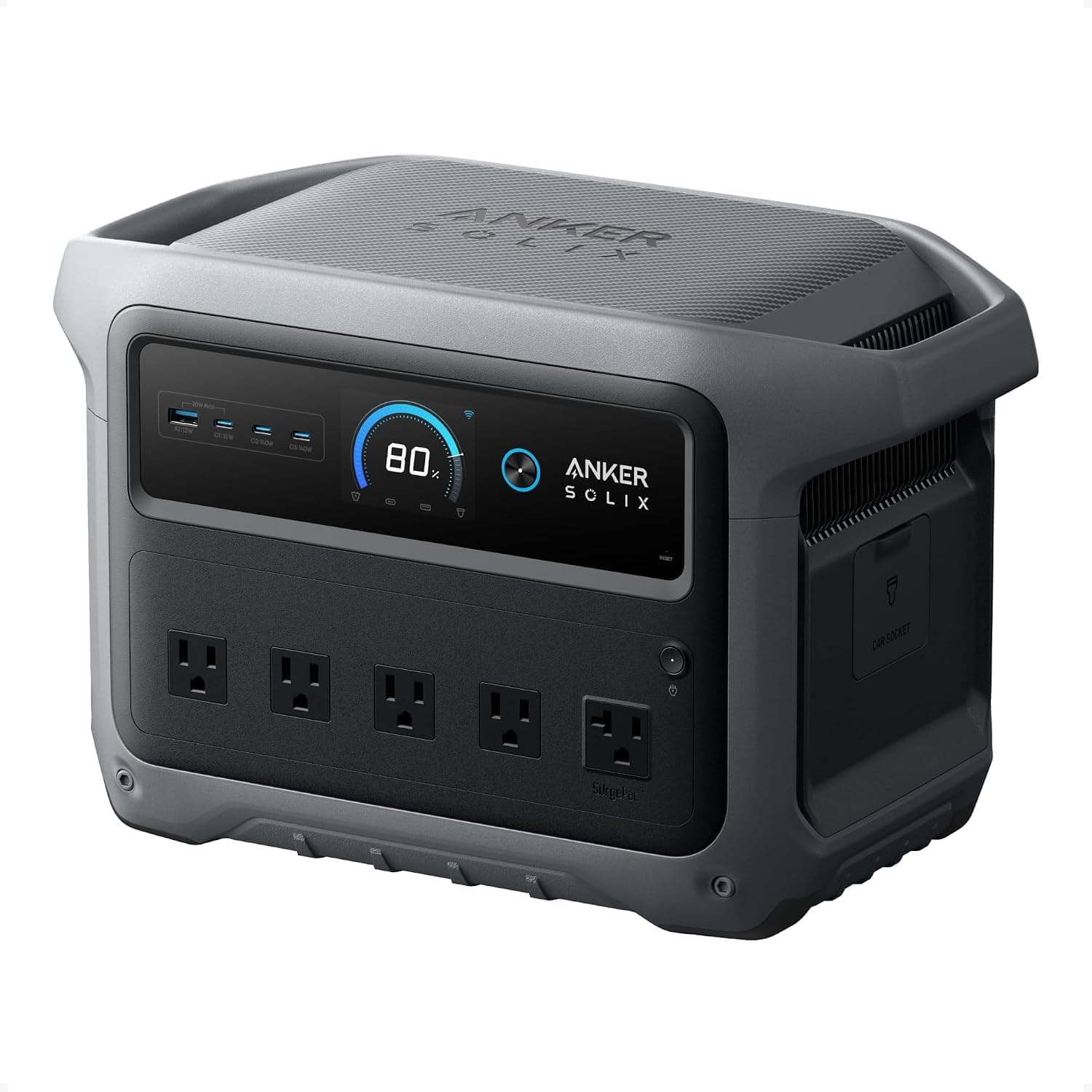
#1
Anker C1000 Gen 2
- Our Score
- 9.8/10
- Best For
- Most buyers
- Battery Capacity
- 1kWh class
- AC Output
- 2,000W class
- Recharge Speed
- Very fast
- Battery Type
- LiFePO4
- Use Style
- Backup + travel
- Weight Class
- Portable midweight
- Price Band
- Upper mid-range
Generator pages usually become confusing fast because the word itself now means two very different things. Some people still mean a gas machine for the backyard. Most people on pages like this actually mean a battery power station they can keep inside, charge from the wall, carry in a car, or pair with solar later. That difference matters. So I rewrote this page around the question I think normal buyers are really asking: if the power goes out, or if I leave town, or if I want something dependable in the garage, which unit will I actually feel relieved to own instead of mildly disappointed by?
Use this table to separate real home-backup units from lighter camping and travel gear. The right choice depends on runtime, recharge speed, and weight more than brand alone.
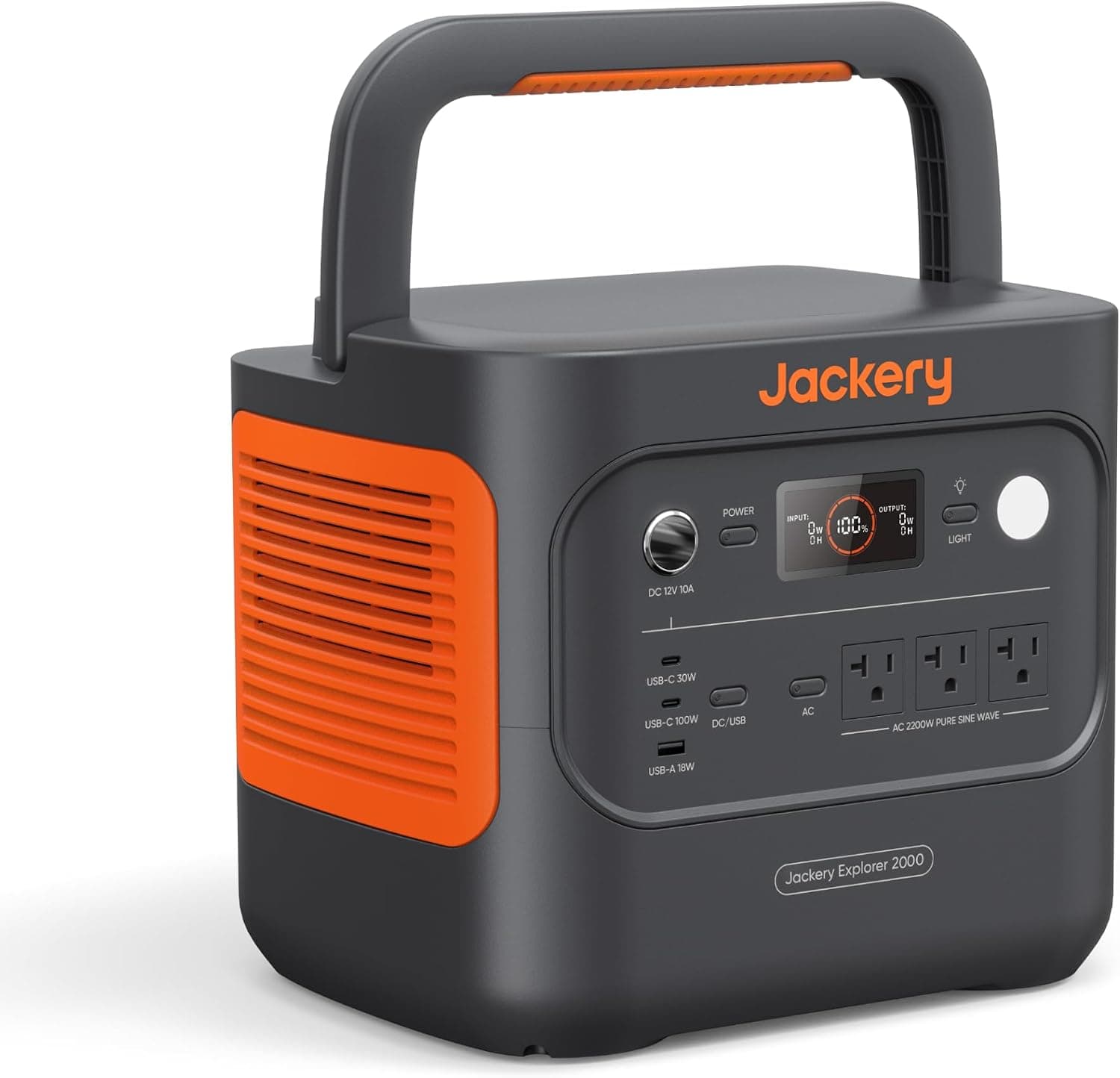
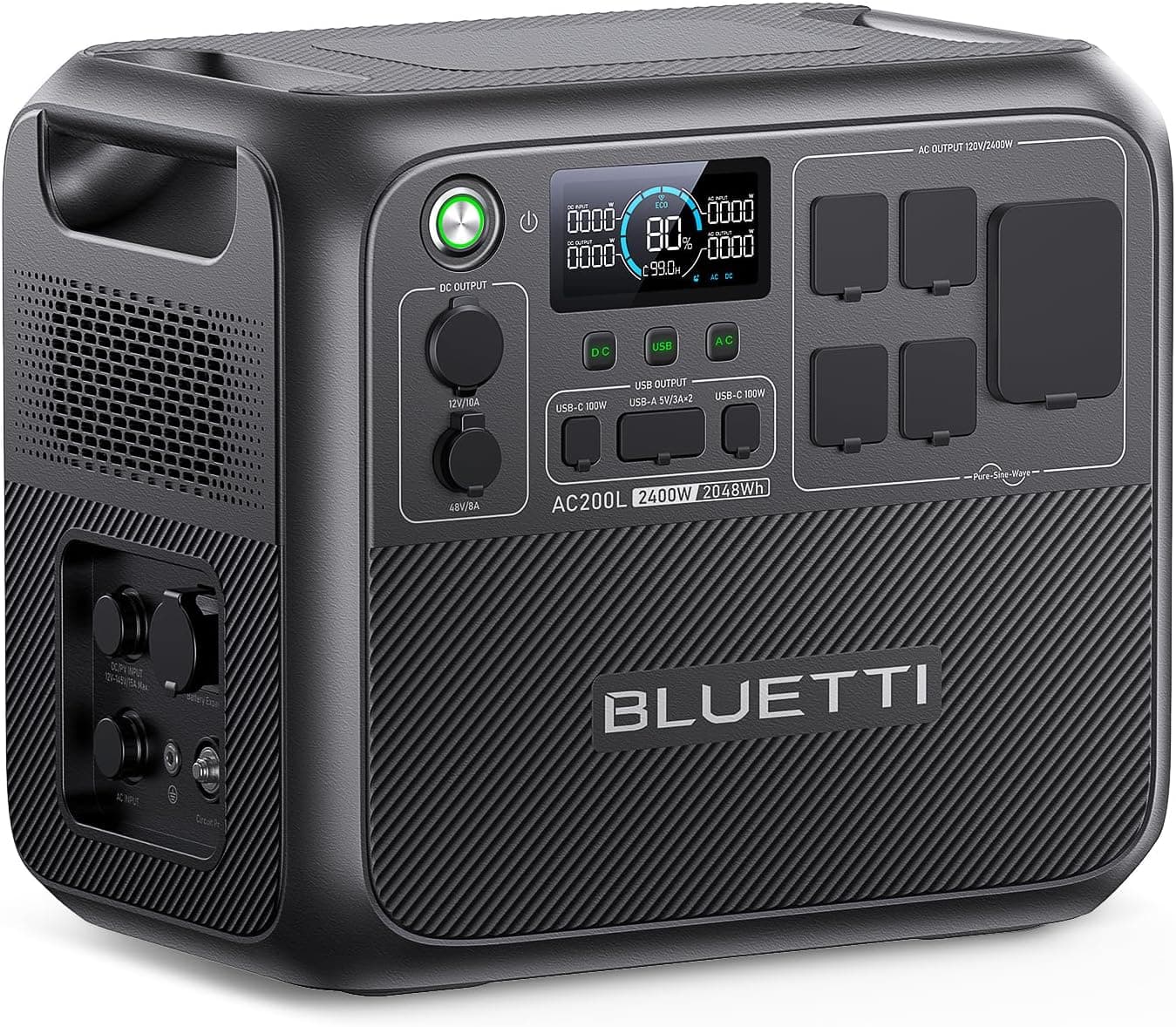
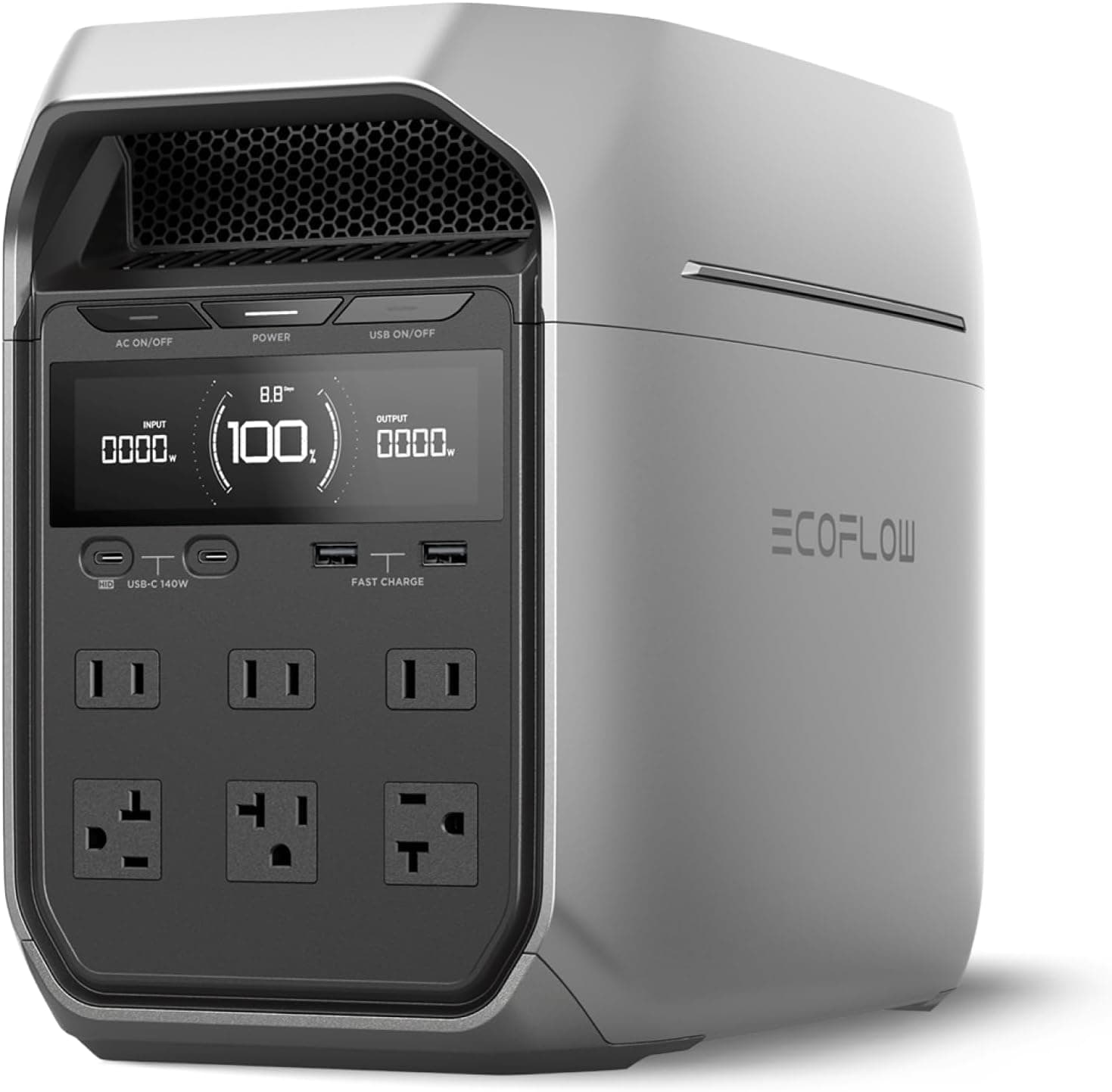
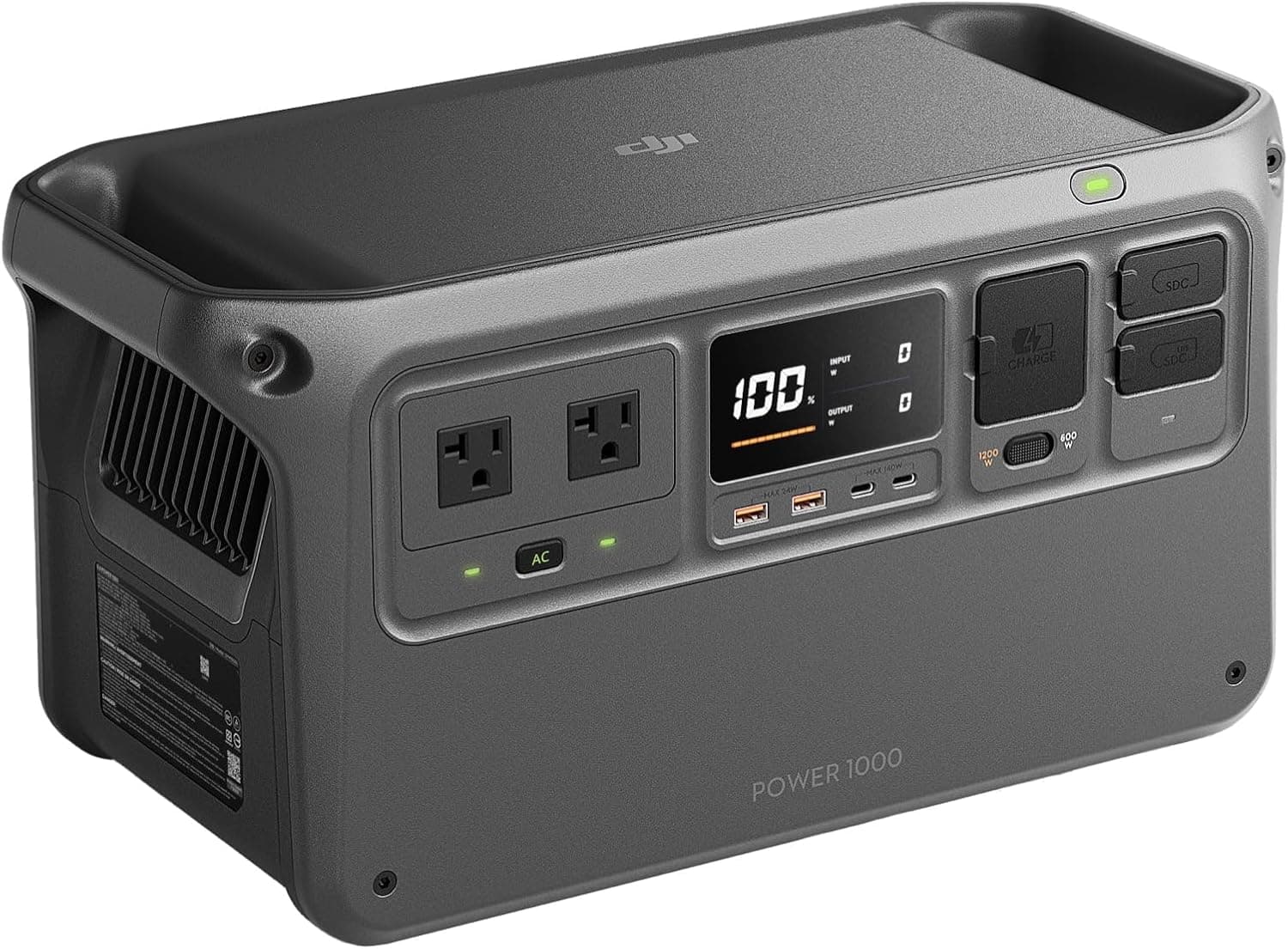
| Spec | | | | | |
|---|---|---|---|---|---|
| Our Score | 9.8/10 | 9.6/10 | 9.4/10 | 9.2/10 | 9.0/10 |
| Best For | Most buyers | Longer outages | Expandable backup | Smart backup | Creator kits |
| Battery Capacity | 1kWh class | 2kWh class | 2kWh expandable | 1kWh class | 1kWh class |
| AC Output | 2,000W class | 2,200W class | 2,400W class | High-output portable | 2,200W class |
| Recharge Speed | Very fast | Fast | Fast AC + solar | Very fast | Fast ecosystem charging |
| Battery Type | LiFePO4 | LiFePO4 | LiFePO4 | LiFePO4 | LFP class |
| Use Style | Backup + travel | Home backup | Solar-ready backup | Apartment + office | Field power |
| Weight Class | Portable midweight | Heavier portable | Heavy portable | Portable midweight | Portable midweight |
| Price Band | Upper mid-range | Premium | Premium | Upper mid-range | Premium |
The word generator now covers two totally different ownership experiences. One is noisy, fuel-based, and meant to live outside. The other is cleaner, quieter, and much easier to imagine keeping charged in a closet, garage, RV, or apartment corner.
This page leans toward the battery side because that is what fits more real households now. They are not the answer for every heavy-duty job, but they are the answer more people actually end up happy with.
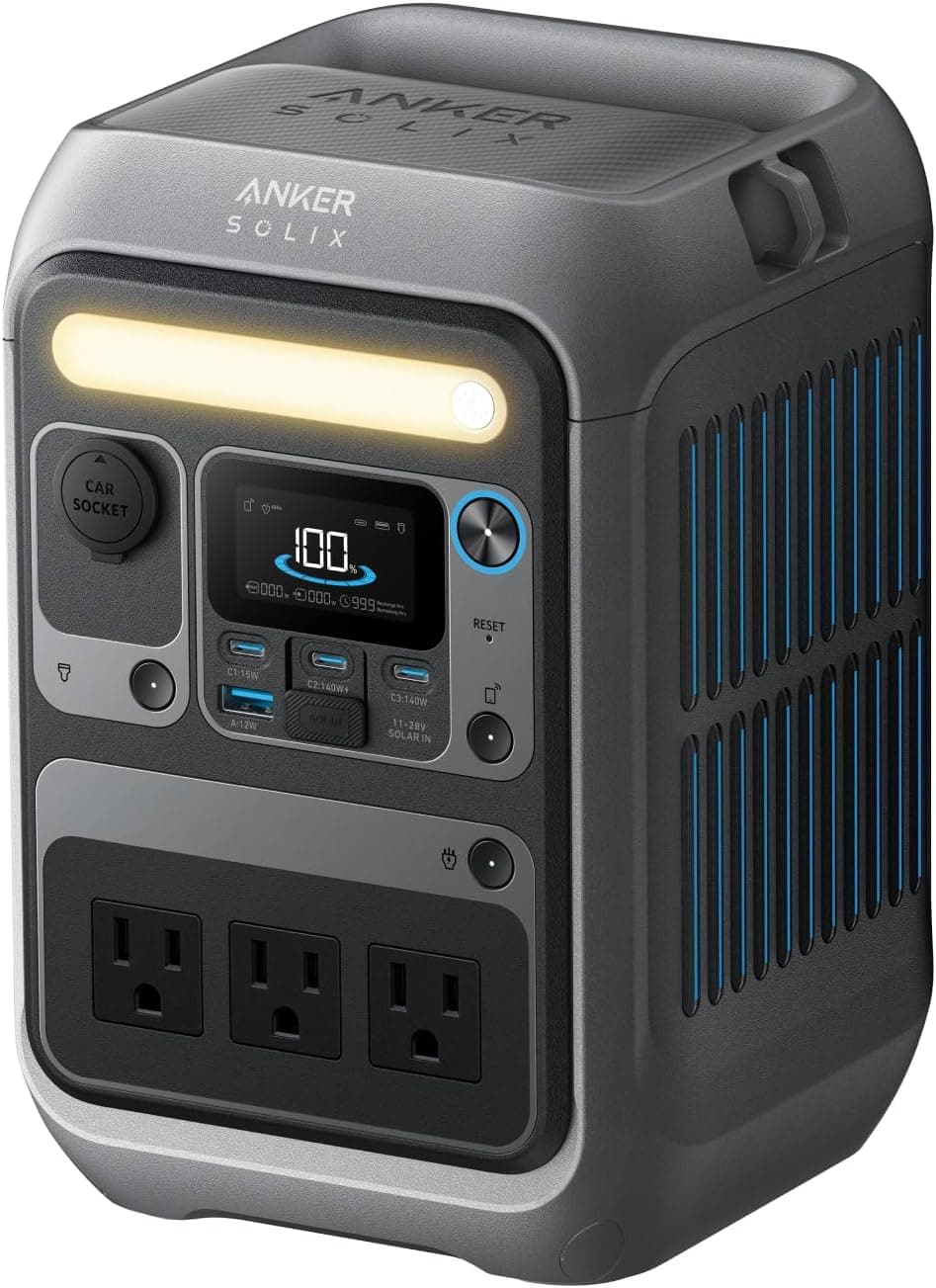
Anker SOLIX C1000 Gen 2 wins because it lands almost exactly where a lot of buyers should start. It feels meaningfully stronger than the tiny travel units, but it has not yet crossed into the category where the machine itself becomes a burden.
That balance matters more than people expect. A generator that is too heavy, too slow, or too annoying to top up often turns into garage clutter with a nice marketing page.
If you want one modern generator that covers outages, camping, and general portable power without overcommitting to a huge system, this is the cleanest all-around pick.
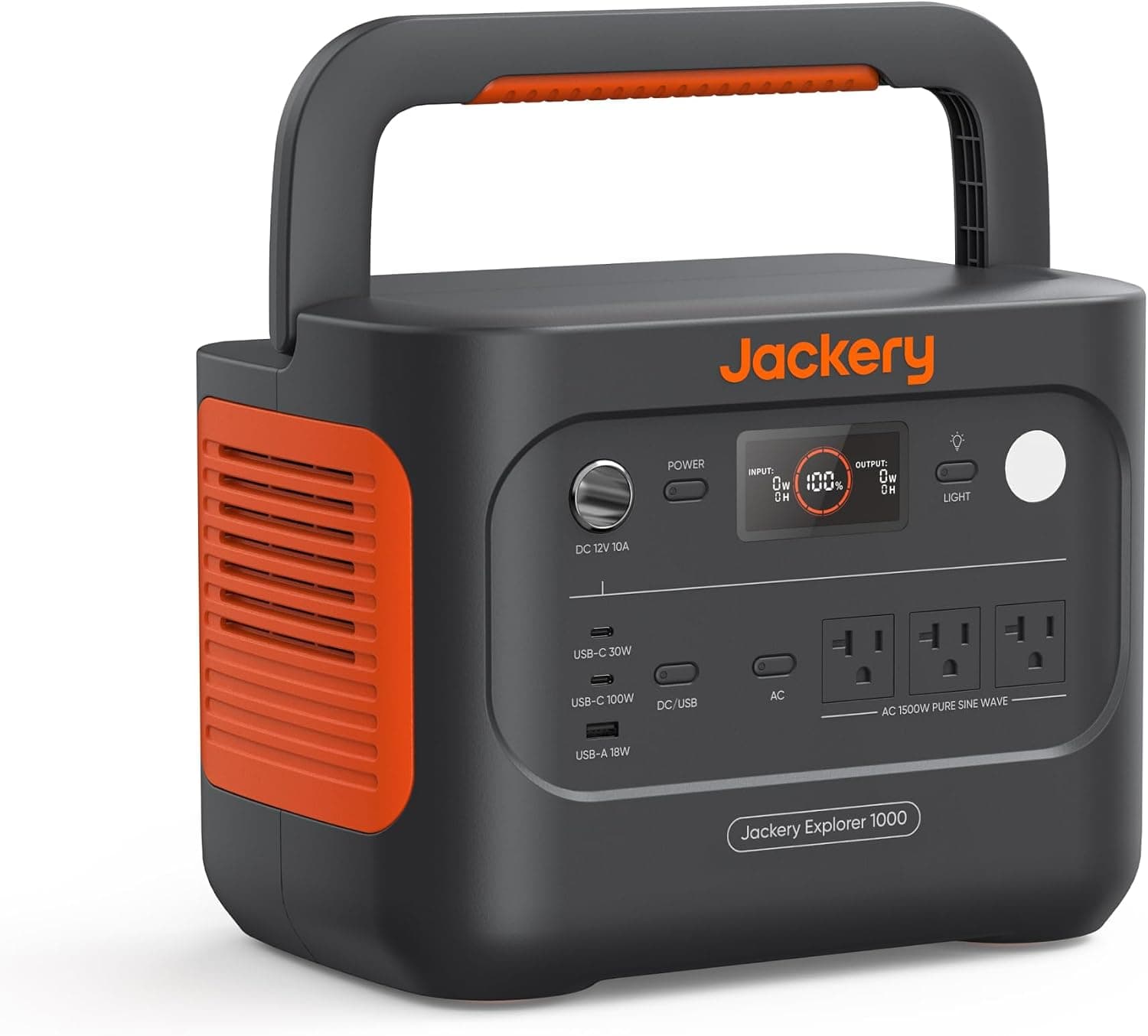
Jackery Explorer 2000 v2 makes sense when you want your backup power to feel like real reserve, not just emergency convenience.
If your plan includes a fridge, lights, routers, and a full night without power, the extra battery matters more than the extra pounds stop mattering.
Choose this if your idea of a good generator is less about hiking portability and more about meaningful reserve for real home disruption.
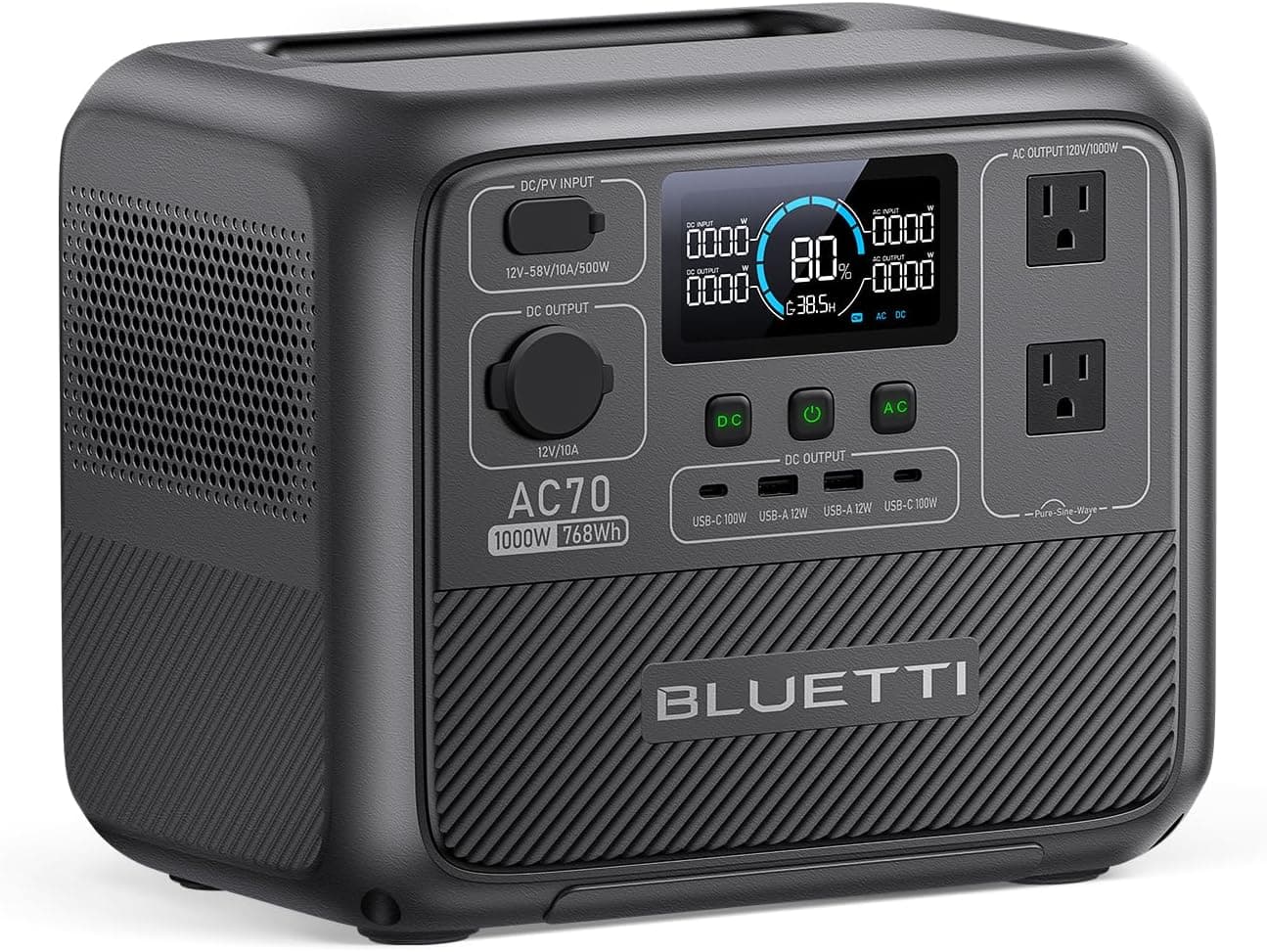
BLUETTI AC200L is the right answer for buyers who already think in terms of systems, not just single purchases.
It behaves less like a one-off emergency box and more like the beginning of a bigger backup plan. That makes it less simple, but much more future-friendly.
If you are building toward a larger resilient-power setup instead of just buying a travel backup box, AC200L deserves real attention.
A lot of shoppers say generator when they really mean one of three very different things: a gas inverter unit, a battery-based portable generator, or a solar generator setup that can recharge from panels.
This guide focuses on the battery side because that is what fits more apartments, RVs, modern households, and everyday emergency plans. If you need endless outdoor runtime under heavier load, gas still has a place.
Think in appliances and hours, not brand names. A router and a few lights are easy. A fridge, microwave, CPAP, or space heater changes the math very quickly.
That is why a small unit can feel brilliant on a road trip and underwhelming during a real blackout. Output and runtime are separate problems, and buyers often focus on only one.
Battery generators are quieter, cleaner, easier to store, and much easier to use around electronics, bedrooms, apartments, and home offices.
Gas generators still win when you need long outdoor runtime under heavier load. The tradeoff is fuel, noise, upkeep, and much stricter safety discipline.
Fast recharge makes a generator easier to live with because it is easier to top off before a trip, before a storm, or between outages.
Solar input matters too. A big battery with weak solar acceptance can look impressive in a product tile and still recover too slowly when the weather is less than perfect.
A heavy 2kWh generator can absolutely be the right answer, but only if you can really move it, store it, and deploy it without dread.
Many buyers focus on specs and forget stairs, trunks, shelves, camping distance, and the simple question of whether they will want to carry the thing when they are tired.
Battery generators avoid carbon monoxide, but they still need airflow. Keep vents clear. Do not trap the unit under blankets, gear, or sealed cabinets while it charges or runs.
If you use a gas generator instead, never run it indoors, in a garage, or near open windows. Carbon monoxide kills.
Some buyers need a generator for a fridge and internet. Others need one for camping, drone batteries, and travel. Others want a first step toward a solar-backed home setup.
Those are different jobs. The best generator is rarely just the biggest box you can afford. It is the one that fits the inconvenience you are actually trying to solve.
People size for watts and forget hours. A unit may start a fridge, but that does not mean it will run the fridge, lights, internet, and phone charging long enough to matter. Runtime is where many buyers feel disappointed.
Usually enough for routers, phones, laptops, lights, and some selective appliance use. It is often not enough for a fridge plus other loads through a long night unless you manage power carefully.
Sometimes yes, but this is where buyers get tripped up. High-heat appliances can drain the battery very fast, and some combinations trip limits even when the headline watt number looks safe. Output and battery size must both match the job.
Buy larger now if you already know your target loads are not optional. Fridge backup, CPAP, sump pump, or multi-room outage use usually justify more battery on day one. Expansion helps most when your needs may grow over time, not when they are already clear.
It changes real use. Fast recharge means you can refill the battery between short outages, before a storm, or during partial grid return. Slow recharge sounds fine until the unit is half empty and the weather is getting worse.
Convenience is the upside. Runtime is the limit. Small units are great for lights, routers, laptops, and short trips. They stop making sense fast when a fridge, heater, or overnight reserve enters the picture.
Consider gas if you need long outdoor runtime under heavy load, especially where fuel logistics are easy and noise is less of a concern. For many apartments, homes, RVs, and travel setups, battery units are now the more practical choice.
That is a bad plan. Battery units need periodic charging, sane storage temperatures, and a quick function check before you trust them. The whole point of backup power is readiness.
Anker SOLIX C1000 Gen 2 is still the safest default recommendation. It is not the largest, but it avoids the two biggest regrets: buying too small to matter or buying too large to move and recharge comfortably.
Editorial Methodology
Last reviewed: 2026-08-02
Editorial note: I rewrote this page on August 2, 2026 to sound more like a real recommendation and less like a stitched-together roundup. The product details still come from currently visible official information from Anker, Jackery, BLUETTI, EcoFlow, DJI, and Goal Zero, but the ranking logic was framed around the questions real buyers usually care about most: Will this run enough for my outage? Will I actually keep it charged? Is it too heavy to be convenient? And will I still feel good about this purchase once the emergency or trip becomes real?
We compare published product details, real buying tradeoffs, warranty or support signals, and long-term ownership friction — not marketing claims in isolation. Prices and availability can change, so verify the final details with the retailer before purchasing.