Best Smart Voice Recorders 2026 (Updated August 2026)

A smart voice recorder is one of those categories that gets blurry fast. Plenty of products promise recording, transcription, summaries, translation, and AI magic, but what buyers usually care about is much simpler: Will this fit how I actually work? Will it handle calls or only rooms? Will I need a subscription to make it worth owning? And will it quietly help me stay organized, or become one more gadget I forget to charge and never trust? I built this page around those real questions. Instead of treating every device like the same little rectangle with different branding, I ranked today's best smart voice recorders by how people really use them: heavy meetings, phone calls, wearable capture, multilingual conversations, and fast post-meeting follow-up.

Smart Voice Recorder Comparison

The right smart voice recorder depends less on AI buzzwords and more on where your notes actually come from: phone calls, conference rooms, walking conversations, or multilingual meetings that need immediate follow-up.

PLAUD Note Pro
#1

PLAUD Note Pro

Our Score
9.5/10
Best For
Frequent meetings and daily professional use
Form Factor
Card-style AI recorder
Recording Style
In-person meetings
Battery
Up to 50 hrs Endurance mode
Storage or Sync
64GB local
AI Extras
Highlights and multimodal context
Standout Feature
Most complete flagship feel
Key Tradeoff
Premium price
Price Band
Premium
PLAUD Note
#2

PLAUD Note

Our Score
9.1/10
Best For
Calls plus everyday notes
Form Factor
Card-style AI recorder
Recording Style
Dual-mode calls and in-person
Battery
Up to 30 hrs
Storage or Sync
64GB local
AI Extras
Transcription and summaries
Standout Feature
Best call-friendly workflow
Key Tradeoff
Less flagship room confidence
Price Band
Upper midrange
Notta Memo
#3

Notta Memo

Our Score
8.9/10
Best For
Multilingual meetings and templates
Form Factor
Slim card recorder
Recording Style
Calls and meetings
Battery
28-day standby
Storage or Sync
32GB plus cloud
AI Extras
58 languages and 30+ templates
Standout Feature
Excellent post-meeting workflow
Key Tradeoff
Mode-specific battery story
Price Band
Midrange
Mobvoi TicNote
#4

Mobvoi TicNote

Our Score
8.7/10
Best For
Research-heavy note workflows
Form Factor
Card-style AI recorder
Recording Style
Calls and environmental audio
Battery
Up to 25 hrs
Storage or Sync
64GB local
AI Extras
Mind maps and deep research
Standout Feature
Most agent-style follow-up tools
Key Tradeoff
Less proven ecosystem
Price Band
Midrange
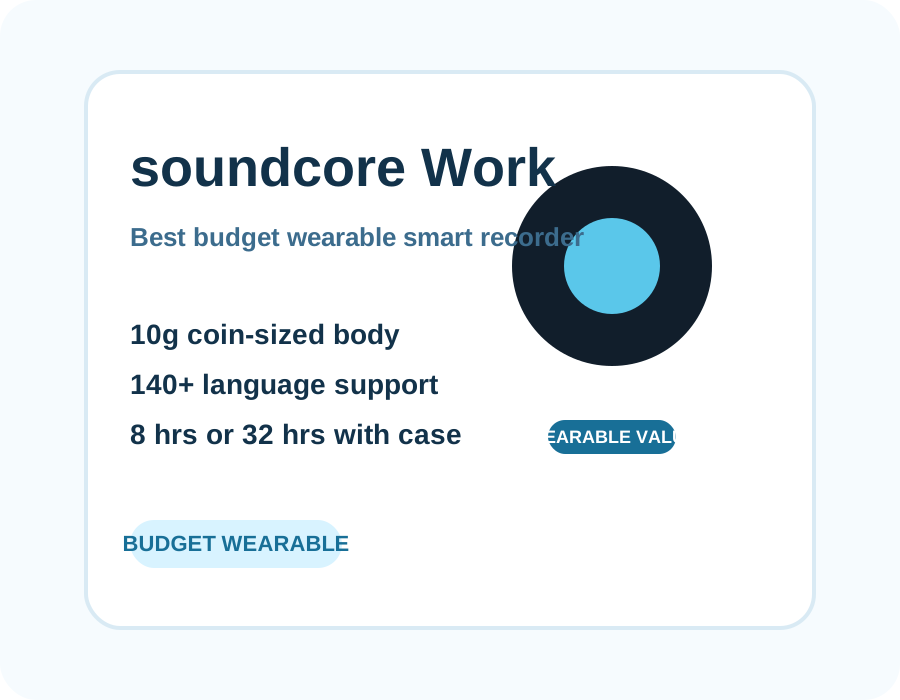
soundcore Work
#5

soundcore Work

Our Score
8.5/10
Best For
Lower-cost wearable capture
Form Factor
Wearable recorder
Recording Style
Hands-free lectures and meetings
Battery
8 hrs; 32 hrs with case
Storage or Sync
App-led sync
AI Extras
140+ languages and speaker ID
Standout Feature
Most accessible wearable value
Key Tradeoff
Not ideal for call-first use
Price Band
Affordable wearable
PLAUD NotePin S
#6

PLAUD NotePin S

Our Score
8.4/10
Best For
Premium wearable in-person use
Form Factor
Wearable pin recorder
Recording Style
Hands-free moving workflows
Battery
Up to 20 hrs
Storage or Sync
64GB local
AI Extras
Highlights and Find My support
Standout Feature
Most polished premium wearable
Key Tradeoff
Less useful for calls
Price Band
Premium wearable

In-Depth Review

The biggest mistake people make with smart voice recorders is shopping as if they are buying generic gadgets with different logos. They are not. Some are best when your life is built around calls. Some make sense only if you really need wearable capture. Some earn their keep after the meeting, when summaries, templates, and searchable insights save you from re-listening to everything.

That is why this ranking is less about whichever product sounds the most futuristic and more about which one is easiest to trust in real work. A good smart recorder should reduce friction, not add a new layer of it.

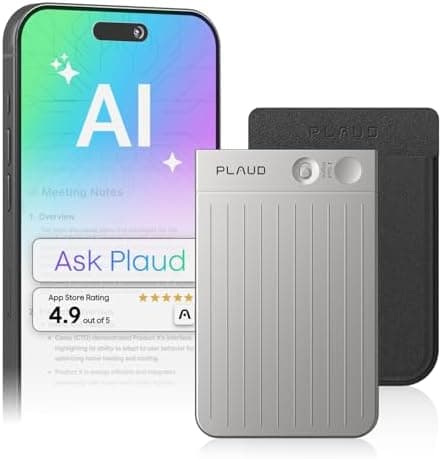
#1PLAUD Note Pro

Why this is the safest recommendation

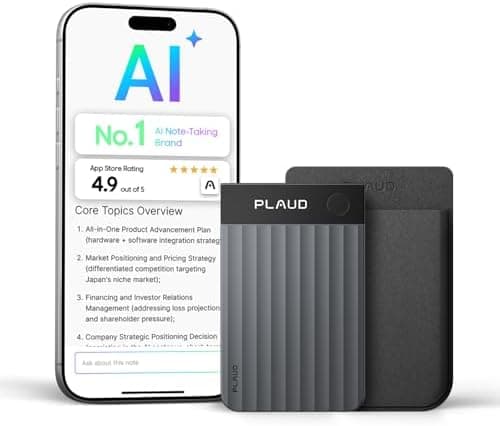
PLAUD Note Pro is the smart voice recorder I would hand to the widest group of professionals because it answers the two worries people usually feel fastest: battery anxiety and room-pickup anxiety.

  • Best for frequent meetings and serious daily capture
  • Best for buyers who want the most complete hardware/software balance
  • Best if you are comfortable treating AI plans as part of the product experience

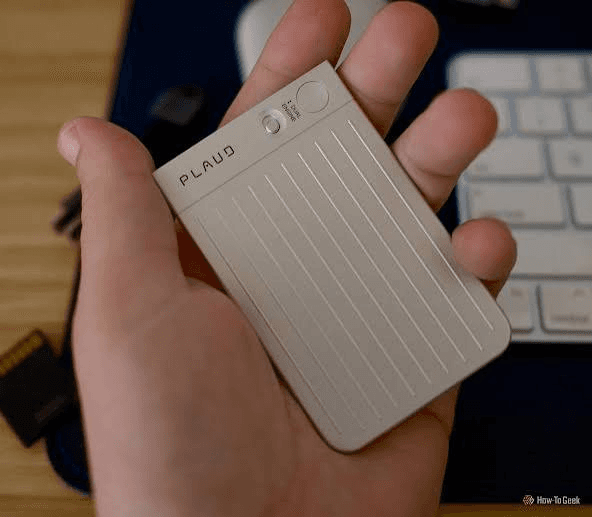
Its current official positioning is clearly premium: slim card body, InstantView display, one-press recording, highlight support, and up to 50 hours in Endurance mode. That combination makes it feel like a device designed for people who will rely on it, not just test it once and forget it.

Who should think twice

I would not push the Note Pro on someone whose real need is mostly phone calls. The regular Note still tells a cleaner story there.

I would also not oversell it to very light users. If you record only occasionally, the premium polish is real, but so is the price.

Bottom Line

If you want one smart voice recorder that feels mature, capable, and least likely to leave you second-guessing the purchase, this is the cleanest first pick.

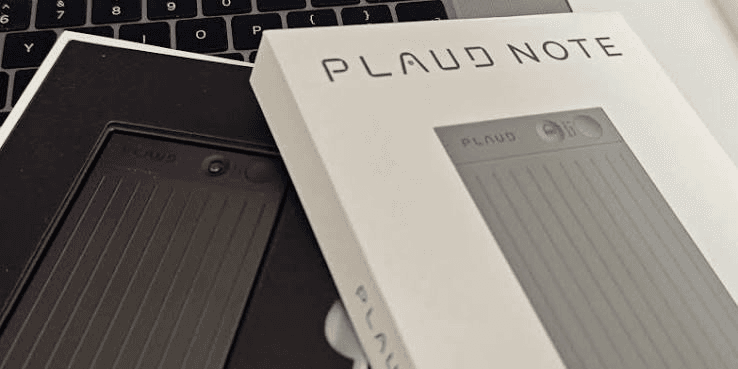
PLAUD Note Pro smart voice recorder

#2PLAUD Note

Why it still matters in 2026

PLAUD Note still earns its place because call recording is not a side case for many buyers. It is the main case. If your notes begin on the phone, that changes what the best recorder looks like.

  • Best for phone calls plus normal in-person capture
  • Best for users who want a flat card form factor
  • Best for buyers who want PLAUD without paying for the flagship

The current dual-mode design is the whole reason this device remains compelling. It gives you a much clearer call-first workflow than the wearable options, while staying slimmer and more straightforward than some newer AI-heavy rivals.

Where I would not force the fit

If you barely take calls, I think the story gets weaker fast. The regular Note is strongest when that dual-mode flexibility is not hypothetical.

If your meetings are often larger or harder to hear, I would still feel more confident putting someone into the Pro.

Bottom Line

If your workday moves between calls and face-to-face conversations, this is still one of the easiest smart recorders to recommend with confidence.

PLAUD Note smart voice recorder

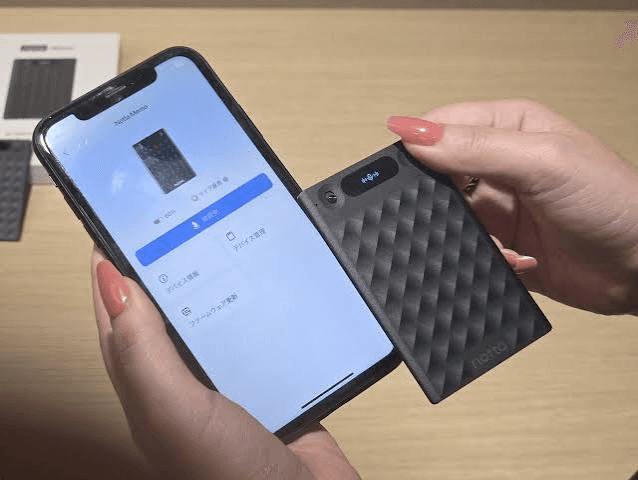
#3Notta Memo

Why this one feels workflow-smart

Notta Memo feels especially attractive for people who care about what happens after the meeting. The device itself matters, but the summary templates, language support, and sharing workflow are what make it feel more than just another recorder.

  • Best for multilingual teams
  • Best for managers who need structured outputs quickly
  • Best for buyers who want summary templates to do real work

The current Notta page leans hard into summaries, speaker separation, template-driven output, translation support, and team-tool integration. That gives it a more operational flavor than some devices that feel centered mostly on raw capture.

The small hesitation I would mention early

Notta's battery messaging is less tidy than I would like. Different sections of the official materials emphasize different runtime figures depending on use case and mode.

That does not kill the product, but it is exactly the kind of thing I prefer to surface before someone buys it for marathon capture days.

Bottom Line

If your smart recorder needs to save time after the meeting, not just during it, Notta Memo is one of the strongest value-oriented options here.

Notta Memo AI voice recorder

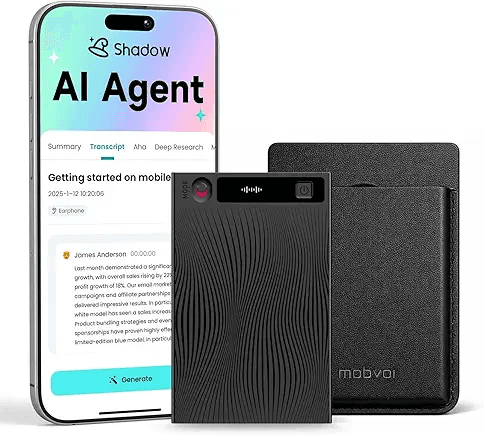
#4Mobvoi TicNote

Why this is more than a transcript machine

TicNote stands out because it is aiming at a slightly different ambition. It wants to behave more like an AI follow-up tool, not just a clean recorder with summaries attached.

  • Best for researchers and synthesis-heavy work
  • Best for buyers who revisit recordings for insight, not just memory
  • Best for users curious about more agent-like AI output

Mobvoi's own materials talk about transcripts, summaries, mind maps, deep research, two recording modes, a display, 64GB storage, and 25-hour battery life. That combination gives it a more analytical personality than most card-style rivals.

What keeps it from ranking higher

The concept is compelling, but the broader ecosystem still feels less battle-tested than PLAUD's more established lineup.

So while I like what it is trying to do, I would still treat it as a slightly more adventurous buy.

Bottom Line

If you want your recorder to help with synthesis and follow-up, not just transcription, TicNote is one of the more interesting smart-voice-recorder options right now.

Mobvoi TicNote AI voice recorder

Smart Voice Recorder Buying Guide

Start with where your notes actually come from

If most of your valuable conversations happen on phone calls, that points you in a different direction than someone living in conference rooms or classroom settings.

This sounds obvious, but it is the first place people get it wrong. They buy for the feature sheet instead of the actual source of the audio.

Card recorder or wearable is not a small decision

Card-style devices feel better when your workflow is table-based, call-heavy, or bag-friendly. Wearables make more sense when your hands are busy, you move room to room, or you know you will not consistently remember to place a flat recorder correctly.

Do not buy wearable hardware just because it sounds futuristic. Buy it only if wearability solves a real friction point.

Call recording support can change the entire ranking

For some buyers, call capture is a nice extra. For others, it is the whole reason the purchase exists. That is why devices like PLAUD Note stay relevant even when newer models look more premium elsewhere.

If calls are central to your workflow, treat that as a hard filter rather than a bonus feature.

A smart voice recorder is partly a software purchase

This category is not just about microphones and battery. It is also about subscriptions, summary templates, app quality, exports, speaker identification, and how easy it is to find something later.

If you are allergic to recurring plans, read the service model closely before buying. Many smart recorders feel dramatically better once the paid software layer is involved.

The best device is usually the one you will actually trust

Trust comes from simple things: clean controls, battery confidence, a screen that tells you what is happening, and recordings that are easy to find afterward.

A cheaper device with cleaner habits can be a better buy than a more impressive one that always feels slightly uncertain.

Privacy and offline behavior deserve more attention

Some users need local storage, direct export, or minimal cloud dependence because of legal, medical, research, or internal-company workflows.

If that is your world, the smartest question is not just how good the AI is. It is how much of your workflow stays under your control.

FAQ

What makes a smart voice recorder different from a normal voice recorder?

A normal voice recorder mainly captures audio. A smart voice recorder usually adds transcription, summaries, speaker identification, exports, and searchable follow-up tools. The value is not just hearing the meeting again. It is reducing the time you spend turning that meeting into something usable.

Is a smart voice recorder worth it if I already use my phone?

Sometimes yes. A dedicated smart recorder can be easier to trust for battery, microphone placement, one-touch recording, and long-form organization. It also avoids the feeling that your note system is scattered across random phone apps and voice files.

Which smart voice recorder is the safest default pick right now?

PLAUD Note Pro is the safest broad recommendation on this page because it balances hardware polish, battery confidence, easy controls, and strong day-to-day meeting usefulness better than most buyers will need to outgrow.

What if phone calls matter more than in-person meetings?

Then call workflow should become a major filter, not a side feature. Devices like PLAUD Note make more sense in that situation than wearables or room-first devices that are stronger elsewhere.

Are wearable smart voice recorders actually practical?

They can be, especially for lectures, interviews, healthcare, site visits, and any job where you move around or cannot keep placing a flat recorder on a table. But they are not automatically better. They only win when hands-free capture is a real need.

Do I need to budget for a subscription too?

In many cases, yes. A lot of these products become much more useful when you unlock higher transcription minutes, better templates, or deeper AI summaries. If you only budget for the hardware, you may underestimate the real cost of owning the device the way it was meant to be used.

What usually makes people regret a smart voice recorder purchase?

Most regret comes from a bad workflow match, not a missing spec. The common problems are buying a wearable when a card recorder was the better fit, underestimating subscription costs, expecting good call recording from a room-first device, or choosing a platform whose app and exports do not feel trustworthy.

Editorial Methodology

How We Chose These Picks

Last reviewed: 2026-08-02

6
Smart Recorders Compared
7
Buyer FAQs Answered
4
Top Picks Deep Reviewed
2026
Current Review Cycle

Editorial note: I built this page on August 2, 2026 using currently visible official product information from PLAUD, Notta, Mobvoi, and soundcore. The ranking is intentionally written around real buying friction instead of generic AI marketing: where the audio comes from, whether call recording matters, whether wearable capture is truly useful, how much the software plan matters, and which device is least likely to become a smart gadget you stop trusting after two weeks.

We compare published specifications, practical use cases, comfort, noise, controls, warranty or support signals, and long-term ownership tradeoffs. Prices and availability can change, so verify the final details with the retailer before purchasing.