

#1
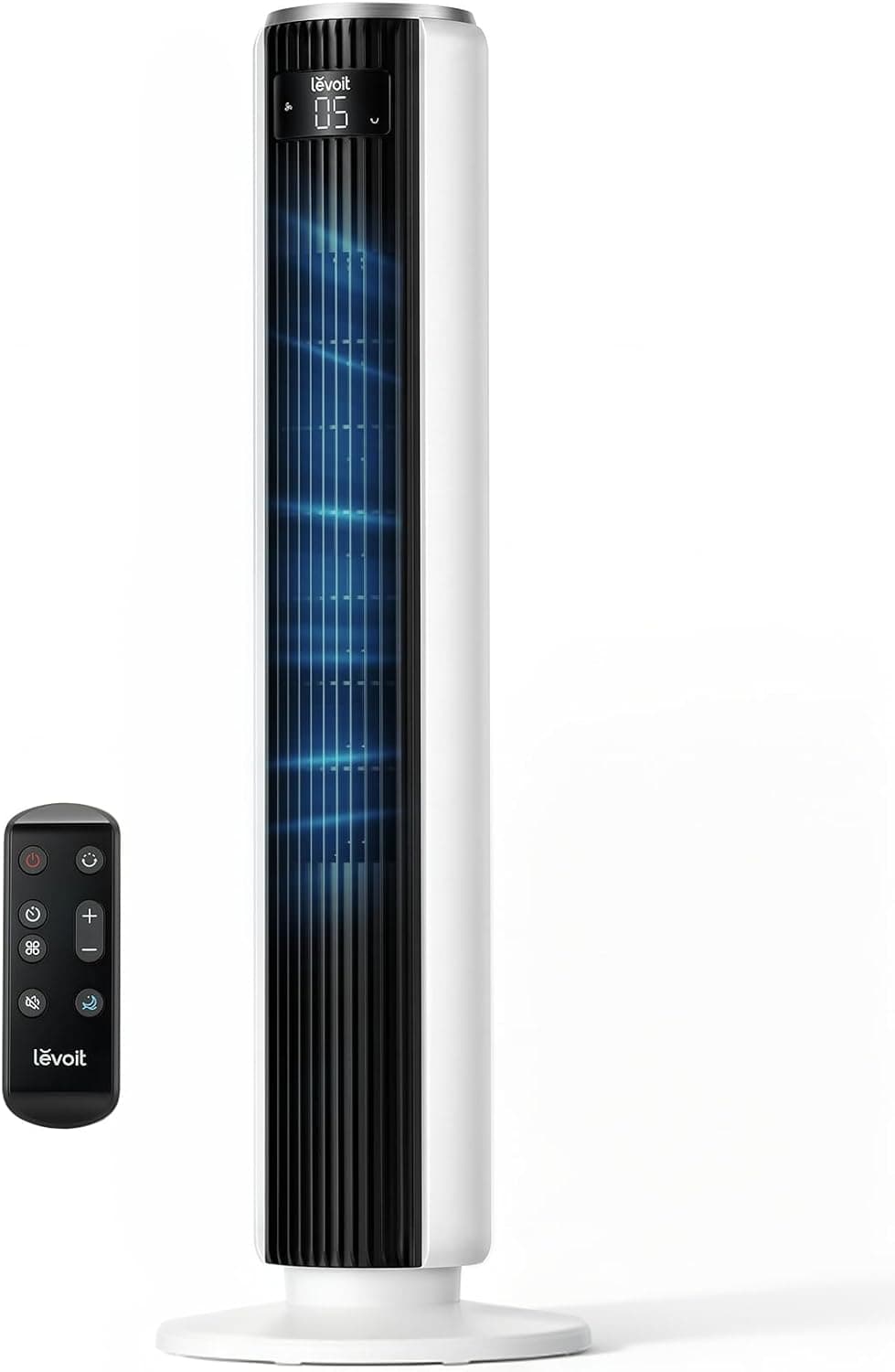
Levoit Tower Fan
- Our Score
- 9.8/10
- Best For
- Quiet bedrooms
- Controls
- Remote + timer
- Oscillation
- 90°
- Noise
- ~25–28 dB
- Smart Features
- Temp sensor
- Height
- 36-inch
- Price Band
- Mid-range
We compared the best tower fans for bedrooms, offices, and living rooms based on quiet overnight airflow, oscillation reach, smart controls, cleaning ease, and long-term value. These picks come from real Amazon product listings with current photos and affiliate links.
Match height, noise, and controls to the room you will actually run the fan in every day.
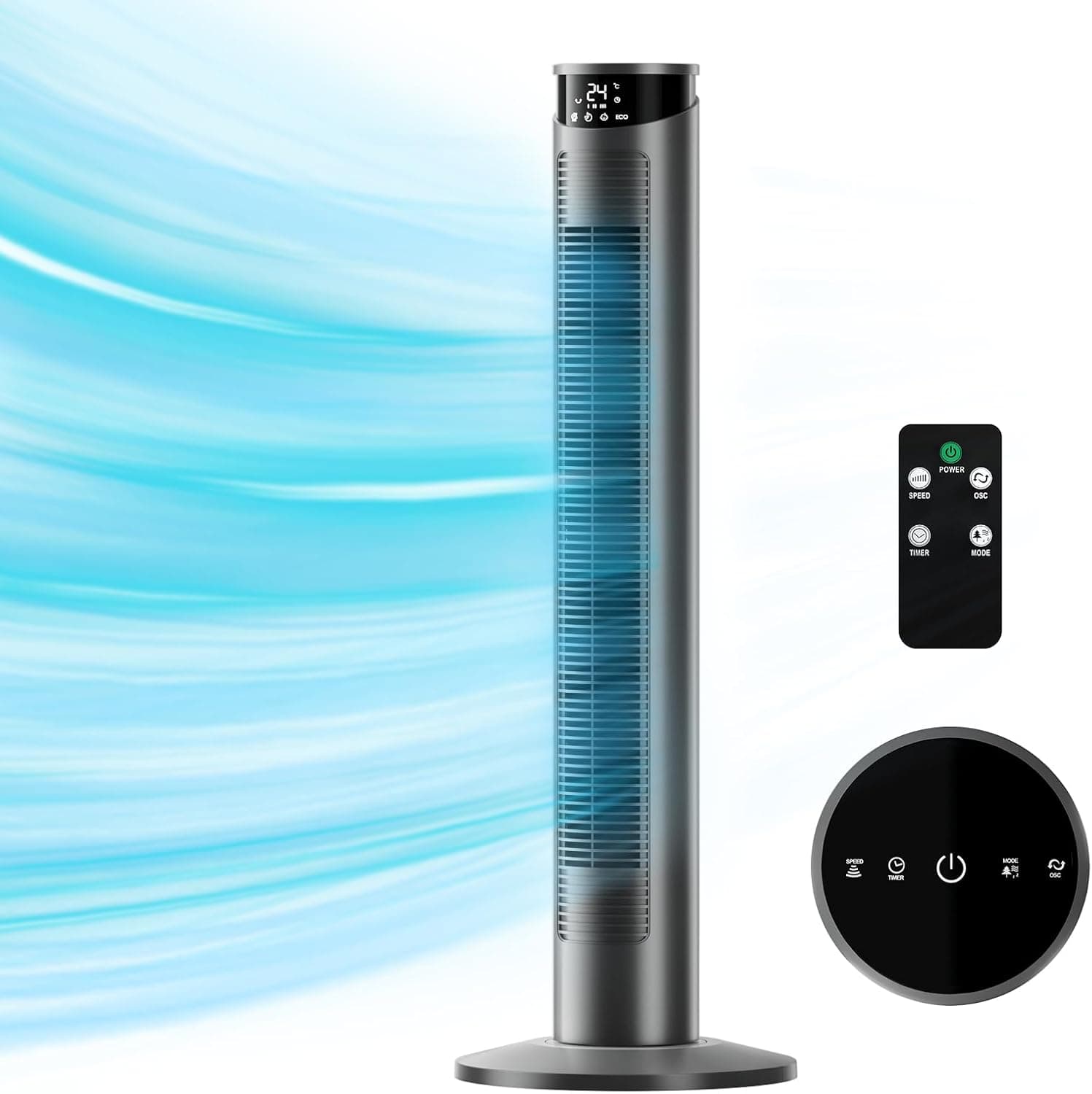
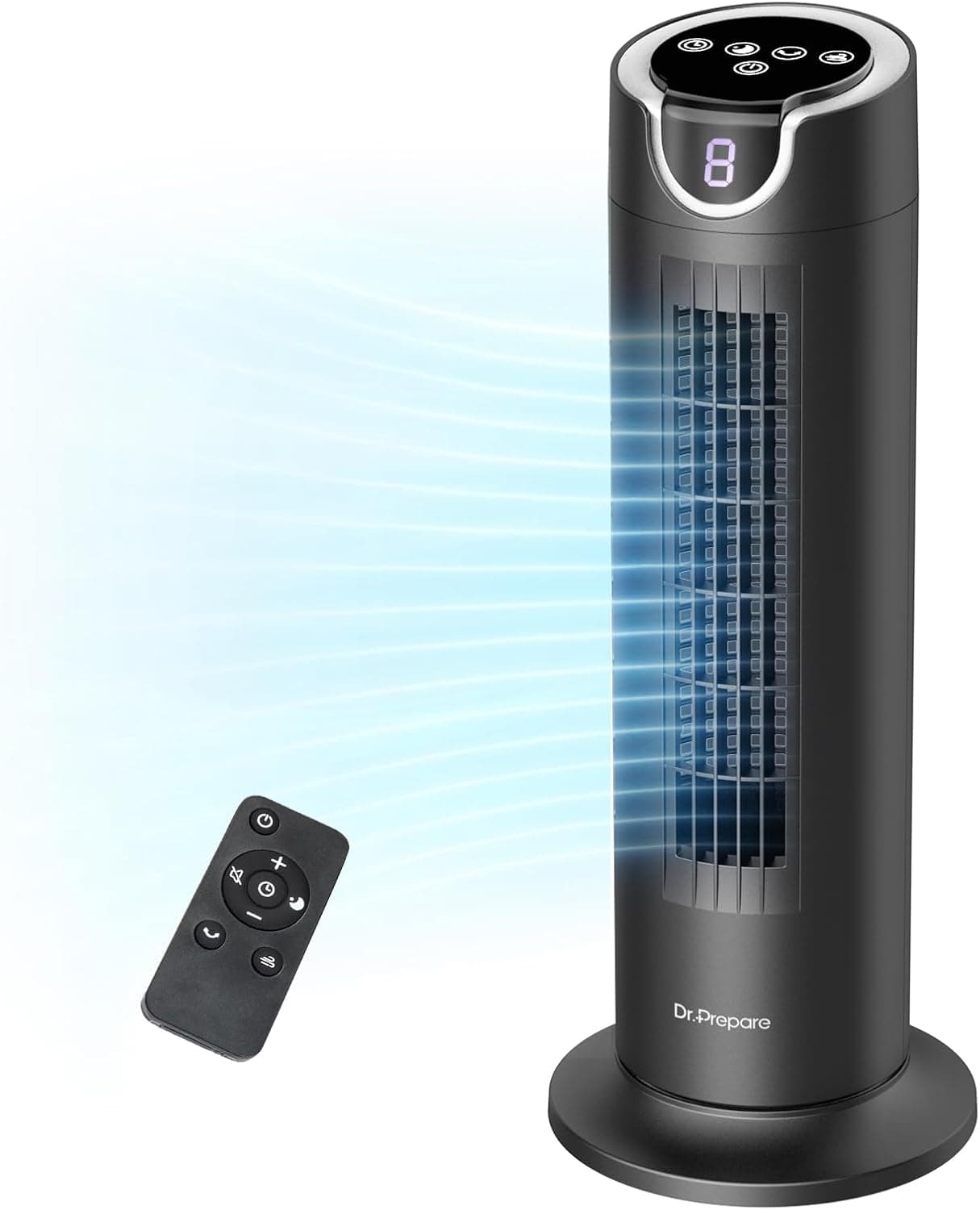
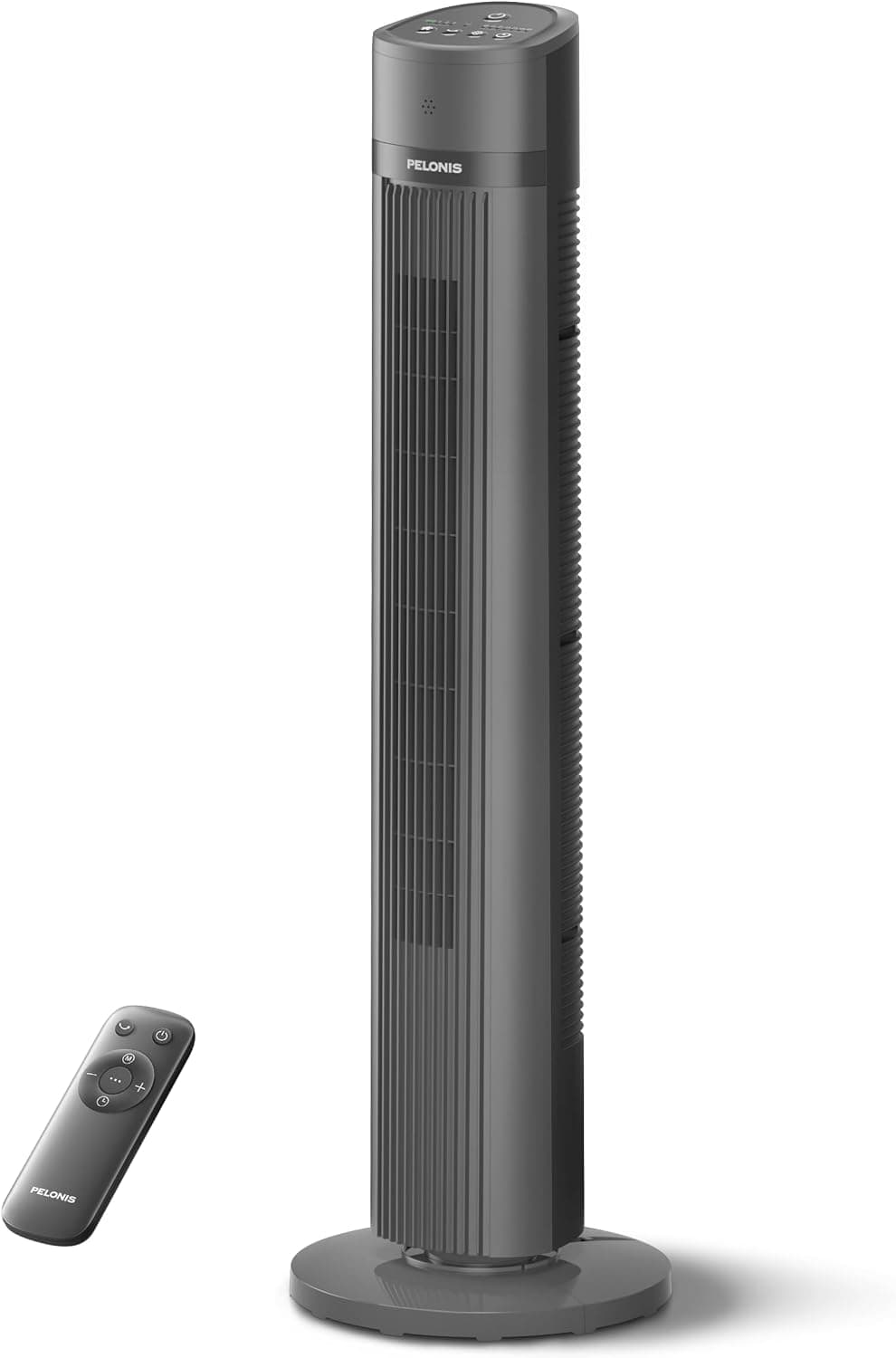
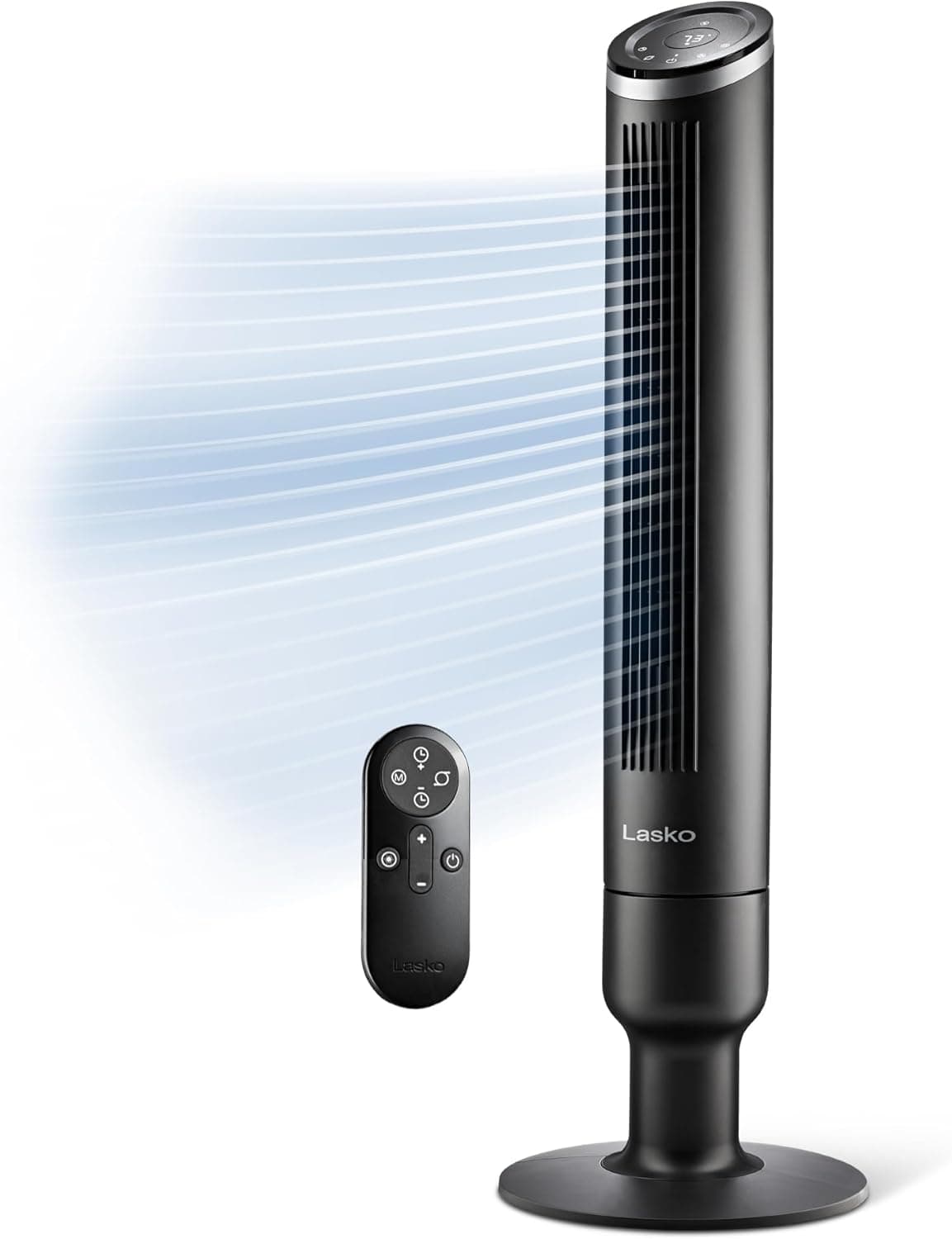
| Spec | | | | | | | | |
|---|---|---|---|---|---|---|---|---|
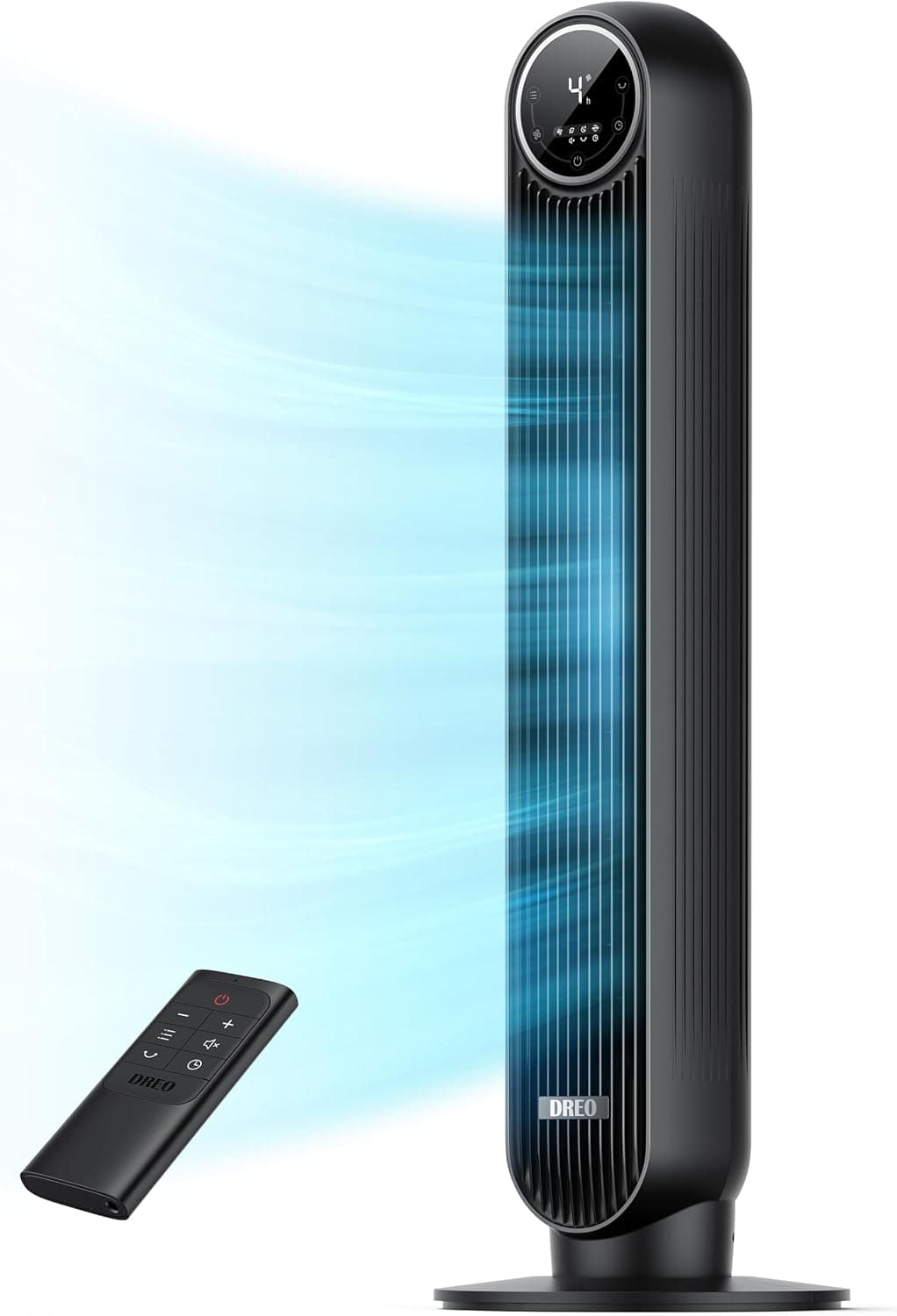
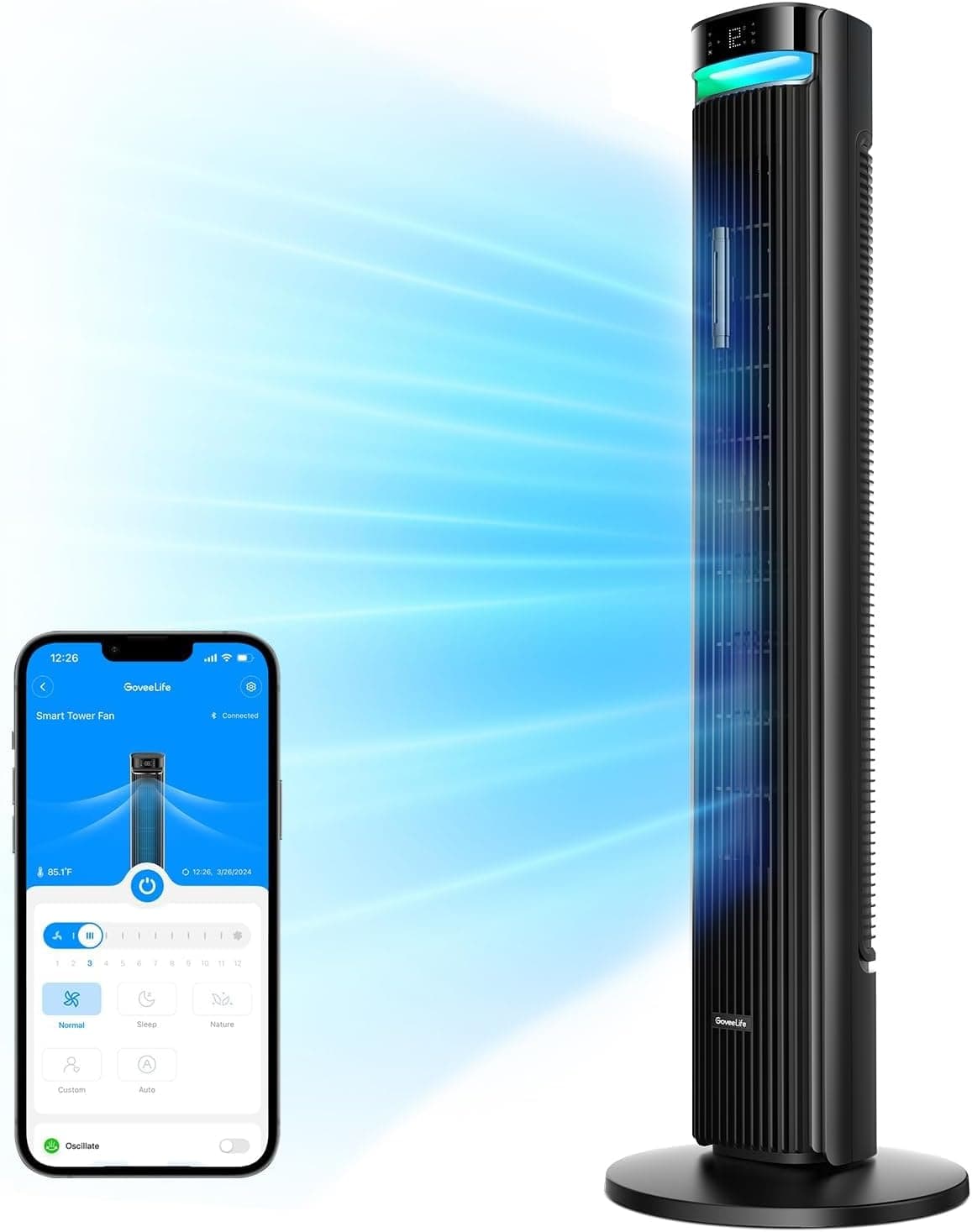
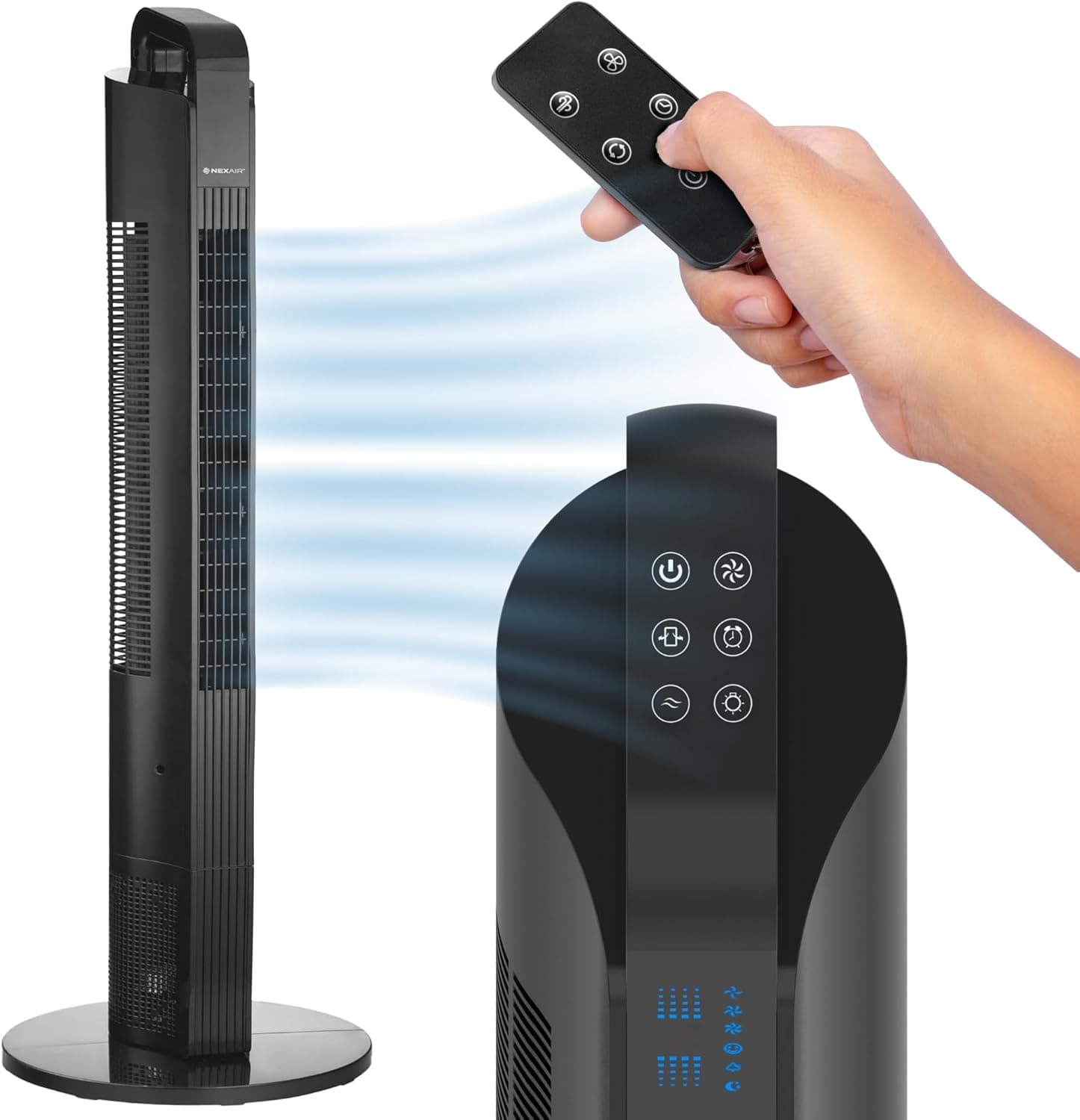
| Our Score | 9.8/10 | 9.6/10 | 9.4/10 | 9.2/10 | 9.0/10 | 8.8/10 | 8.6/10 | 8.4/10 |
| Best For | Quiet bedrooms | Powerful + quiet | Smart home | Tall rooms | Bladeless sleep | Near-silent sleep | Everyday cooling | Budget tall rooms |
| Controls | Remote + timer | Remote + timer | App + voice | Remote + timer | Remote + timer | Remote + timer | Remote + panel | Remote |
| Oscillation | 90° | 90° | Wide multi-angle | 90° | Wide-angle | 80° | 90°+ | Wide |
| Noise | ~25–28 dB | 20–48 dB | Quiet DC | Quiet | ~28 dB | ~25 dB | Multi-speed | ~28 dB |
| Smart Features | Temp sensor | Multi-mode | Alexa/Google/Siri | Timer + modes | LED + modes | 8 speeds | LED indicators | Carbon X filter |
| Height | 36-inch | 36-inch | 42-inch | 42-inch | 37-inch | Tall tower | 40-inch | 42-inch |
| Price Band | Mid-range | Mid-range | Upper mid | Value–mid | Value | Value | Budget–value | Budget–value |
A tower fan does not replace air conditioning. It helps a room feel cooler by moving air where you sit or sleep.
Start with location. A bedroom needs low noise and a timer. A living room needs better reach. A small office needs a compact base and an easy remote.
The quietest setting on any fan will move less air than the top setting. That is normal.
What matters is the middle range. Good fans give you a useful low setting for sleep and a useful medium setting for warm nights. Look for a timer, a dim display, and controls you can reach from bed.
Oscillation helps, but placement matters more. A fan behind a sofa or jammed into a corner will still feel weak.
Keep the intake clear. Aim the airflow across the part of the room you use. In larger spaces, a taller 42-inch tower with wide oscillation usually covers more floor area.
An app helps if you use schedules or want to start the fan before bed. It does not help much if you already keep the remote nearby.
Do not pay extra for smart features if you mainly need power, speed, and a timer.
Bladeless towers are often easier around kids and pets, and many are simpler to wipe down. Dust still collects on grilles and air channels, so unplug and clean on a schedule.
If a model includes a washable filter or Carbon X pad, follow the maker's cleaning interval so airflow and noise stay consistent.
Tower fans improve comfort by circulating air and creating a cooling breeze, but they do not lower room temperature like an air conditioner. Wide oscillation helps distribute airflow across a larger area.
A fan rated around 25 to 30 decibels on its lowest setting is generally suitable for bedrooms. Sleep mode, display dimming, and gradual speed adjustment can also reduce nighttime disruption.
Place it on a flat, stable surface with clear space around the intake and outlet. Positioning it near an open doorway or window can help move cooler air through the room, but keep it away from water and loose curtains.
Yes. Dust can collect on the intake grille and internal filter or air channel. Unplug the fan and follow the manufacturer's cleaning instructions to maintain airflow and reduce noise.
Smart controls are useful when you want to change speed, modes, or schedules from another room or through a voice assistant. A standard remote-control model may offer better value if app automation is not important.
Editorial Methodology
Last reviewed: 2026-08-04
We rank tower fans by real-room usefulness: quiet overnight settings, oscillation reach, control convenience, cleaning effort, and whether smart features actually reduce daily friction.
We compare published product details, real buying tradeoffs, warranty or support signals, and long-term ownership friction — not marketing claims in isolation. Prices and availability can change, so verify the final details with the retailer before purchasing.