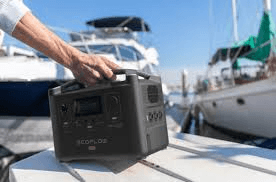
Portable Power
Best Solar Generators for Fishing 2026
By Marcus Chen | Published May 18, 2026 | Updated May 21, 2026
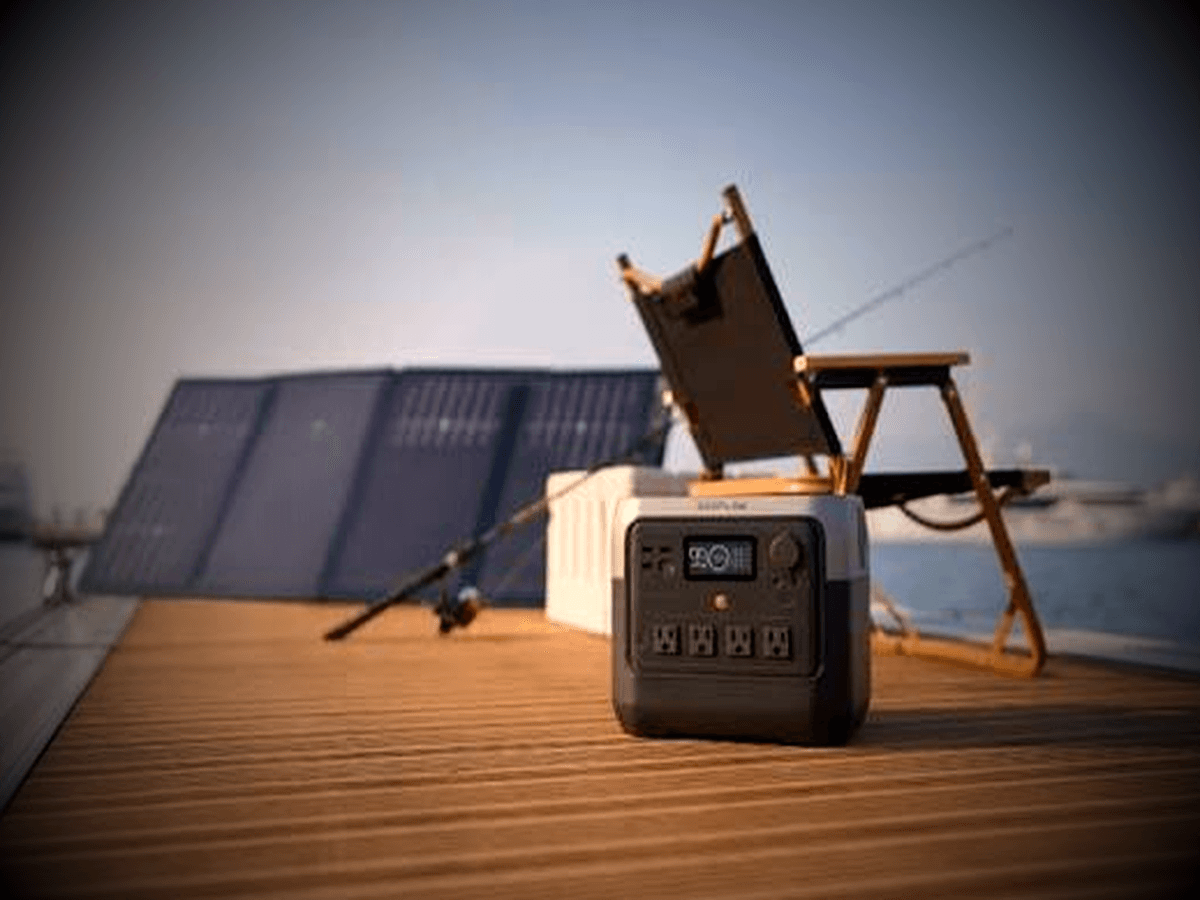
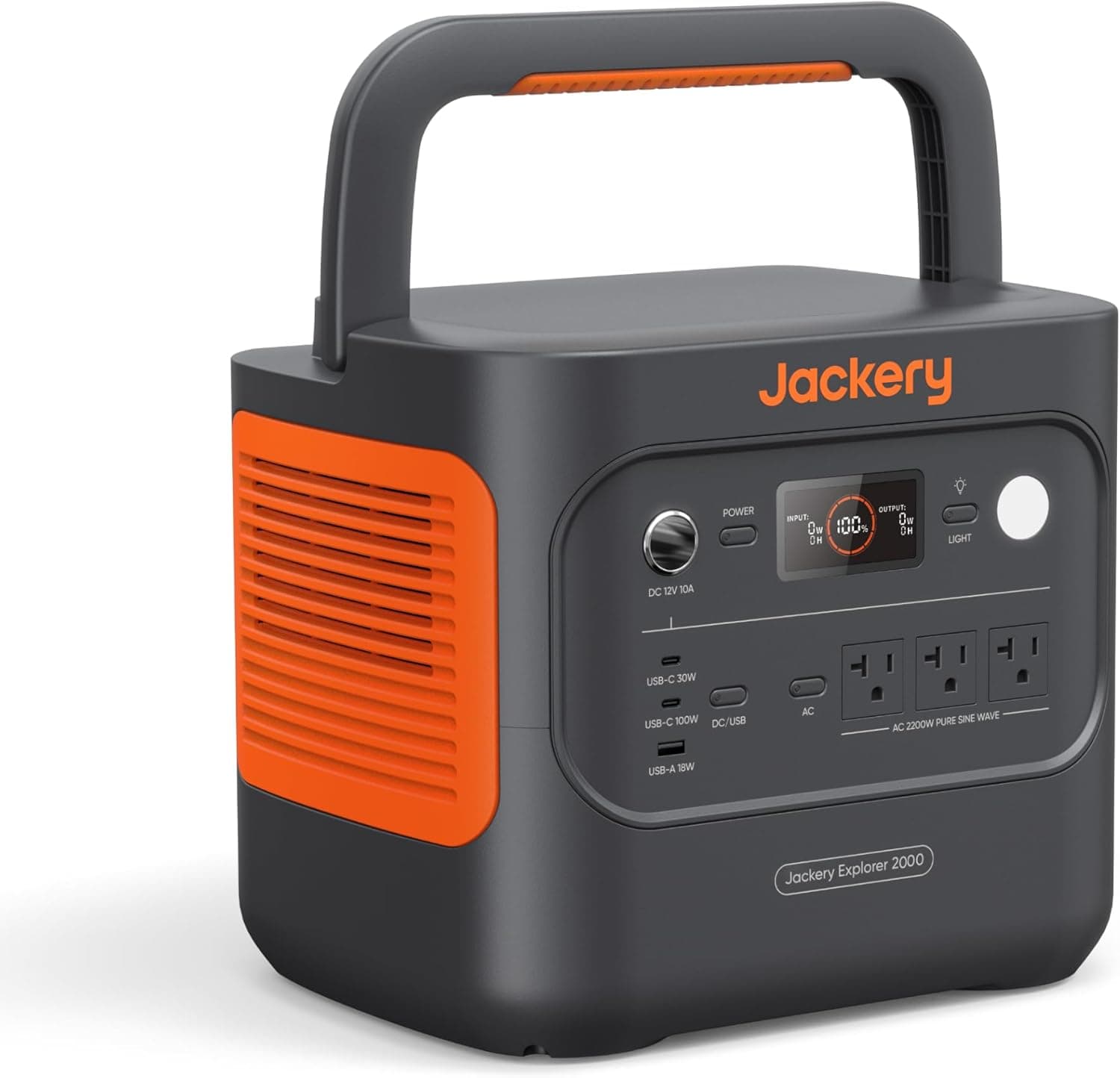
On the water, silence and reliability matter as much as raw watts. Solar generators give anglers clean power for fish finders, livewells, GPS, cameras, and camp lights without the drone of a gas engine. If you are comparing options through a Jackery Explorer 1000 v2 Review, weigh quiet operation, carry comfort, and recharge flexibility as heavily as raw battery size.
In 2026, compact LiFePO4 packs and foldable panels make day trips and multi-day bank fishing easier—as long as you size the battery for overnight electronics and keep gear dry.
Quiet power that won’t ruin the bite
Unlike gas generators, inverter stations produce no exhaust noise at the campsite or dock. Fans may spin under load, so place the unit a few meters away and avoid covering vents.
For kayak and small-boat anglers, prioritize low idle fan noise and a form factor that straps down securely without blocking access to rods and tackle.
Battery needs for fish finders and lights
Modern fish finders and chartplotters often draw 10–30 W; LED strip lights and headlamps add little. The bigger drains are aerators, coolers, phone charging, and overnight use.
A 300–700 Wh pack covers most day trips. Overnight bank camping with a cooler and lights is safer at 700–1,200 Wh, especially if skies stay cloudy and solar input is limited.
- Fish finder / GPS: plan 10–40 W continuous while in use
- 12 V aerator or livewell pump: check amp draw carefully
- Phone, headlamp, camera batteries: modest but constant
- Electric fillet knife or small blender: short high bursts
Portable packs vs larger shore stations
Kayak and hike-in anglers should look under about 10 kg with a simple carry handle. Shore and cabin fishermen can step up to wheeled 1,000+ Wh units that also run a small fridge.
Pair the station with a foldable 100–200 W panel angled toward the sun during midday. Even partial recharges keep finders running through a long evening bite.
Moisture, mounting, and safety tips
Keep the power station in a dry bag or under a tarp when spray and rain are likely. Never submerge ports; use marine-grade 12 V accessories and drip loops on cables.
Secure the unit so it cannot tip in a boat wake. Use the manufacturer’s recommended fuses when wiring permanent fish-finder circuits through a DC outlet.
Frequently Asked Questions
What size solar generator is best for fishing trips?▾
Day trips with a finder and phones often need 300–500 Wh. Overnight trips with lights and a cooler are more comfortable at 700–1,200 Wh plus a portable panel.
Will a portable power station spook fish?▾
The station itself is quiet compared with gas generators. Keep fans from facing the water if they are audible, and avoid slamming lids or dragging metal cases on the bank.
Can I charge a fish finder directly from USB or 12 V?▾
Many units charge via 12 V cigarette-style sockets or dedicated marine wiring. Confirm voltage and polarity; USB alone is usually for phones and tablets, not the finder itself.
How do I keep the battery topped up on multi-day trips?▾
Deploy foldable solar during bright hours, even if you are fishing. Prioritize essential devices when clouds roll in, and start each morning above 50% state of charge when possible.
Are solar generators safe in a boat?▾
Yes when kept dry, ventilated, and secured. Avoid charging damaged packs, and do not block cooling vents with life jackets or wet gear.
Do I need LiFePO4 for fishing use?▾
Not mandatory for occasional day trips, but LiFePO4’s cycle life and thermal stability are worthwhile if you fish weekly or leave the pack in a hot vehicle.