Portable Power
How to Select the Best Solar Generators 2026
By Marcus Chen | Published May 25, 2026 | Updated May 28, 2026
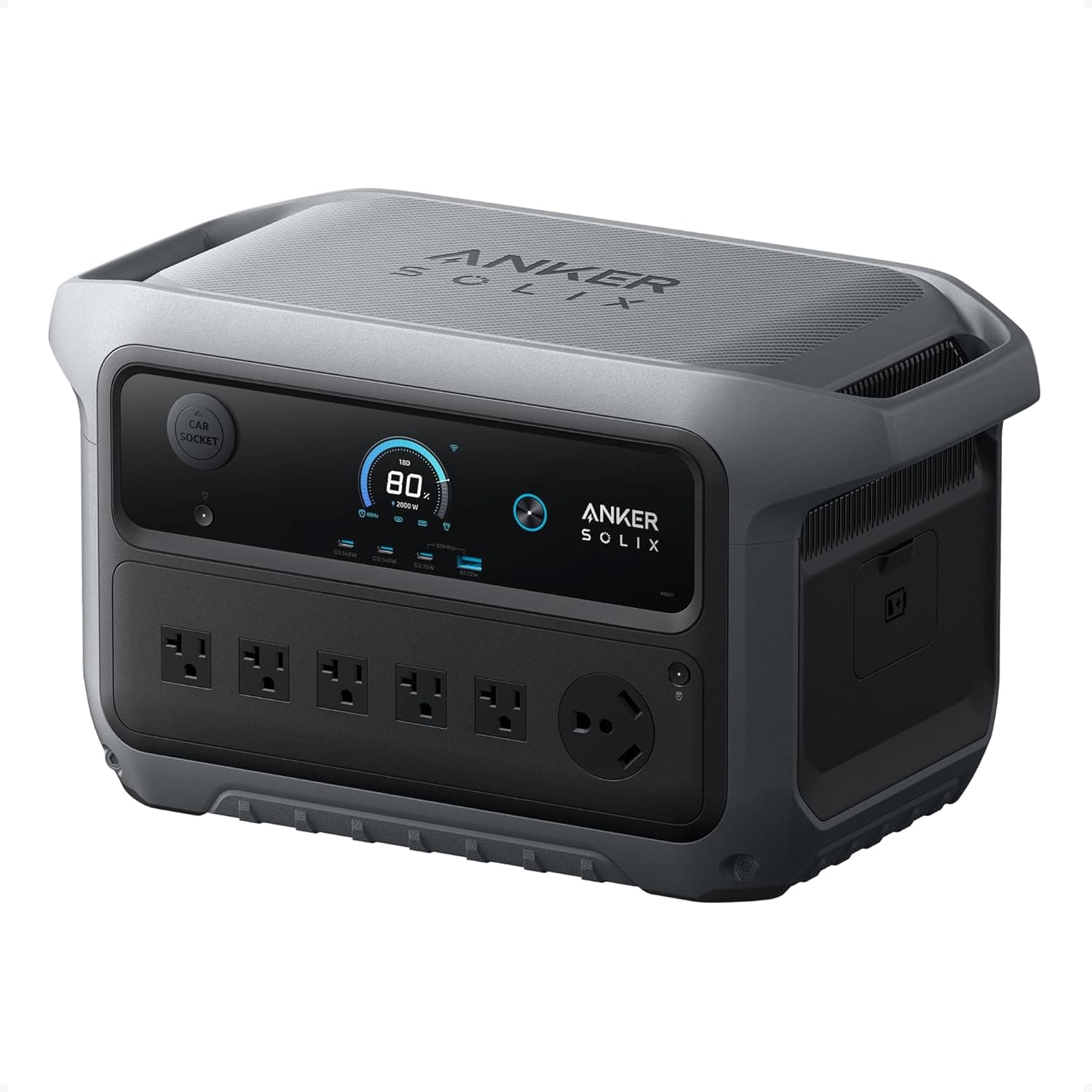
A solar generator—really a portable power station plus solar panels—can keep phones, fridges, tools, and medical devices running without gas or noisy engines. In 2026, the best options share clearer specs, safer battery chemistry, and faster solar charging. If you are researching with an Anker SOLIX C1000 Review open in another tab, use that example to benchmark the capacity, input, and inverter headroom you actually need.
This guide walks through the specs that matter so you can match capacity, output, and portability to camping trips, home backup, or off-grid living.
Start with capacity (Wh)
Capacity is measured in watt-hours (Wh). It tells you how much energy the battery stores before it needs a recharge. A rough rule: device watts × hours of use �?Wh needed, then add 20�?0% headroom for inverter losses and cold weather.
For weekend camping, 300�?00 Wh often covers lights, phones, and a small cooler. Home outage backup for a fridge, router, and lamps typically wants 1,000�?,000 Wh. Whole-day off-grid loads or small workshops push toward 2,000 Wh and expandable packs.
- Under 500 Wh: day trips, phones, cameras, LED lights
- 500�?,500 Wh: camping, short outages, fish finders, CPAP
- 1,500�?,000+ Wh: RV, cabin, serious backup, power tools
Match continuous and surge watts
Continuous (rated) watts must exceed the highest load you will run at once. Surge (peak) watts cover brief startup spikes from compressors, pumps, and circular saws.
If you plan to run a fridge (often 100�?00 W running, higher on start) plus a microwave or space heater, add those continuous draws together. Undersizing the inverter is the most common buying mistake.
Prioritize solar input speed
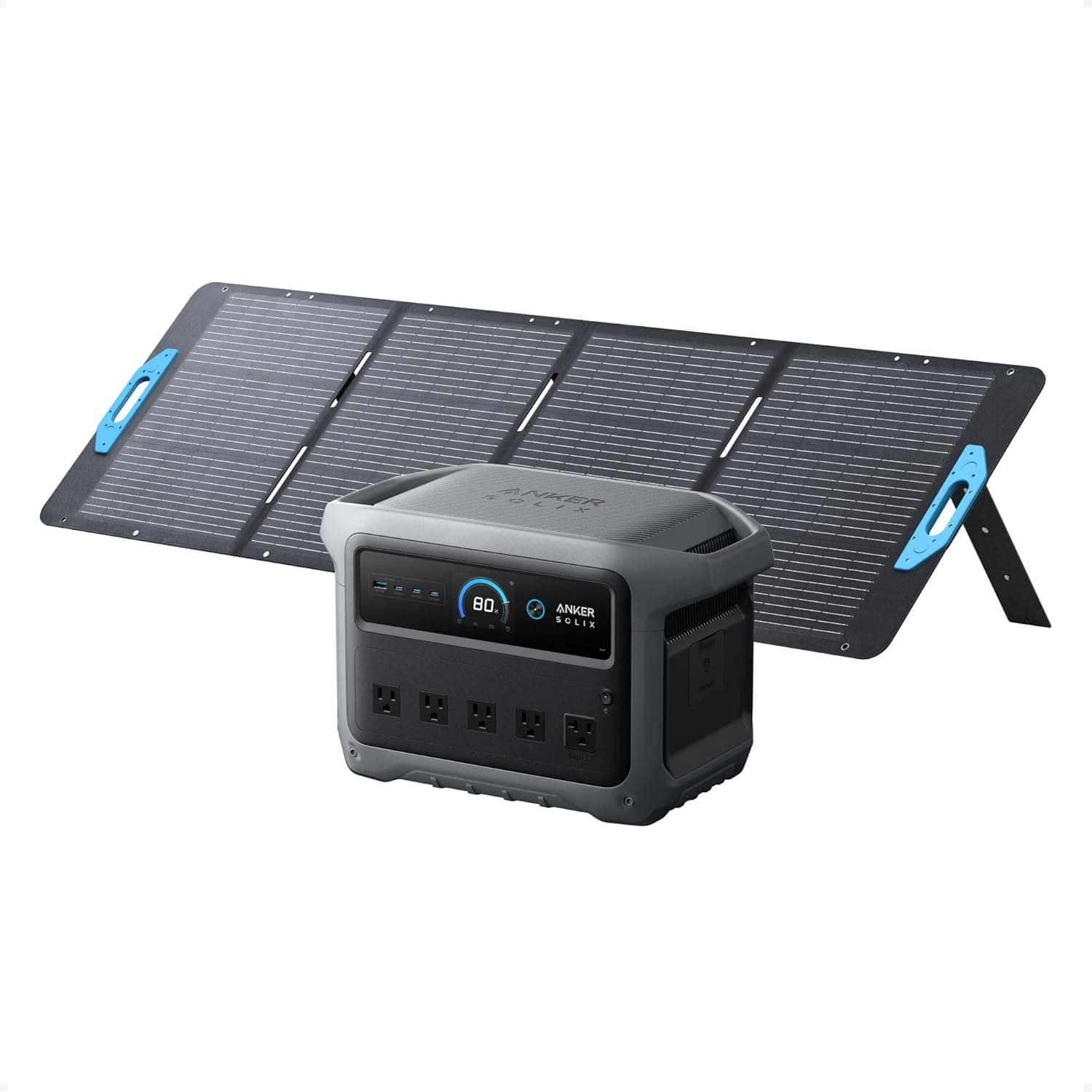
Solar input (watts) and maximum solar voltage (V) determine how quickly panels refill the battery. A 1,000 Wh station with only 200 W solar input may take a full sunny day to recharge; 400�?00 W input cuts that time dramatically.
Check open-circuit voltage (Voc) limits for your climate—cold panels produce higher voltage—and whether the unit supports MPPT controllers for better harvest in partial shade.
Choose LiFePO4 when longevity matters
Most premium 2026 stations use lithium iron phosphate (LiFePO4). Compared with older NMC packs, LiFePO4 typically offers longer cycle life (often 3,000+ cycles), better thermal stability, and slower capacity fade.
If you will cycle daily for off-grid living or frequent camping, LiFePO4 is usually worth the weight and price premium.
Check ports, weight, and expandability
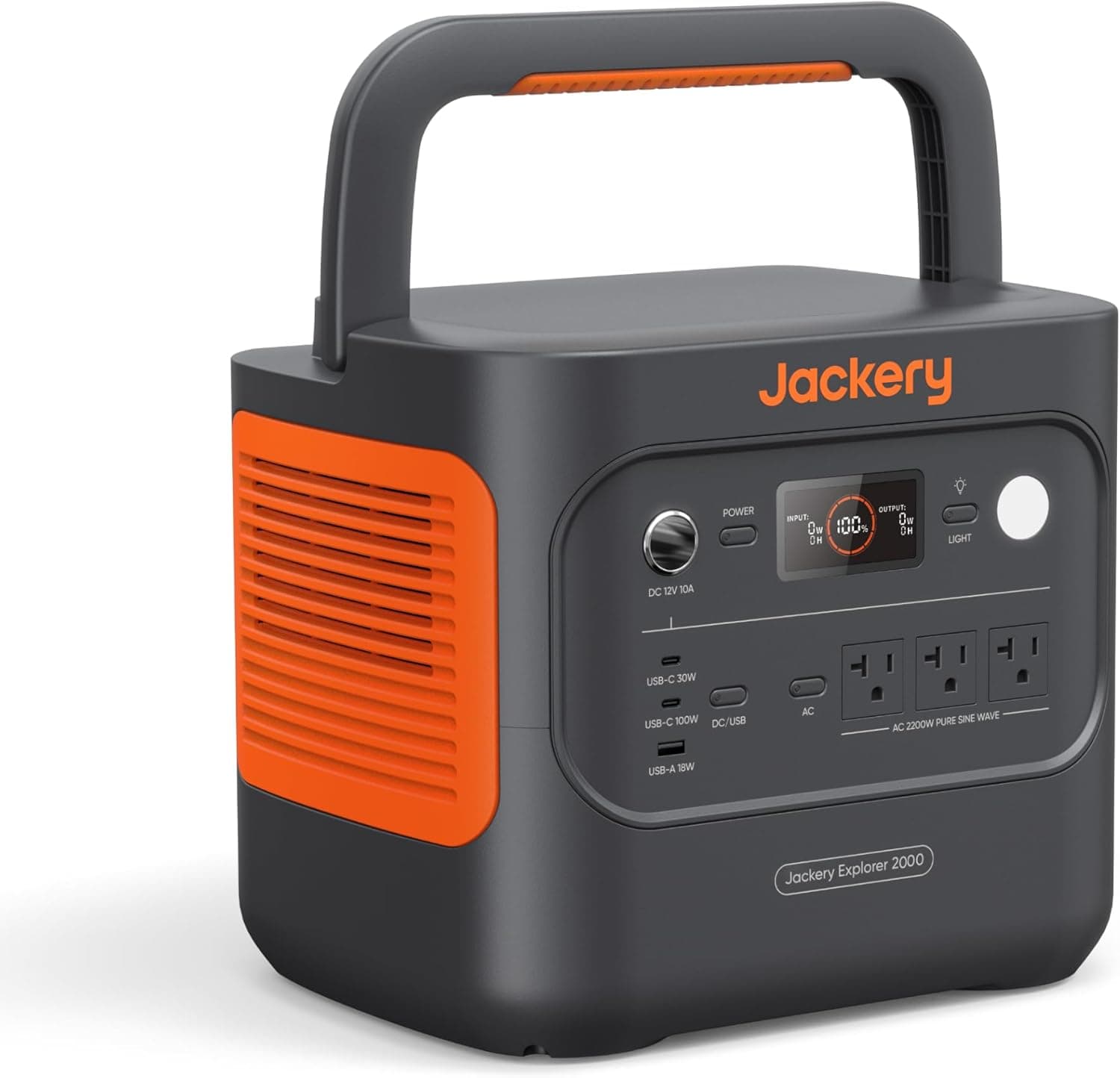
Look for enough AC outlets, USB-C PD for laptops, 12 V car sockets, and Anderson or XT60-style DC inputs for solar. Expandable battery modules let you grow capacity without replacing the inverter.
Weight and form factor matter for hiking-adjacent campsites versus garage backup. A 20 kg unit that rolls on wheels may beat a lighter pack you still have to lift into a truck bed awkwardly.
- AC outlets with pure sine wave for sensitive electronics
- USB-C PD 60�?40 W for modern laptops
- App monitoring for state of charge and input watts
- Optional extra battery bays for future growth
Frequently Asked Questions
What size solar generator do I need for a weekend camping trip?▾
Most weekend trips are well served by 500�?,000 Wh if you power lights, phones, a camera, and a small 12 V fridge. Add panels that can deliver at least 200�?00 W if you want a full recharge between sunny days.
Is LiFePO4 better than NMC for portable power stations?▾
For frequent cycling and long ownership, yes. LiFePO4 generally lasts more charge cycles and runs cooler. NMC packs can be lighter for the same Wh, which still matters for ultralight travel.
Can a solar generator run a refrigerator during an outage?▾
Yes, if continuous watts cover the fridge’s running load and surge watts cover compressor start. A mid-size fridge often needs roughly 1,000�?,000 Wh for a day, depending on ambient temperature and how often the door opens.
How many solar panels do I need?▾
Match panel wattage to the station’s max solar input. If the unit accepts 800 W, two to four portable panels in that range will recharge faster than a single 100 W foldable panel.
Do I need a pure sine wave inverter?▾
Pure sine wave is strongly preferred for laptops, medical devices, variable-speed tools, and many modern appliances. Modified sine can cause noise, heat, or early failure in sensitive gear.
What does pass-through charging mean?▾
Pass-through charging lets you power devices while the station is plugged into wall or solar input. Confirm the manufacturer supports it safely; not every model allows simultaneous charge and discharge.