Portable Power
How we tier top power stations
By Marcus Chen | Published May 6, 2026 | Updated May 9, 2026
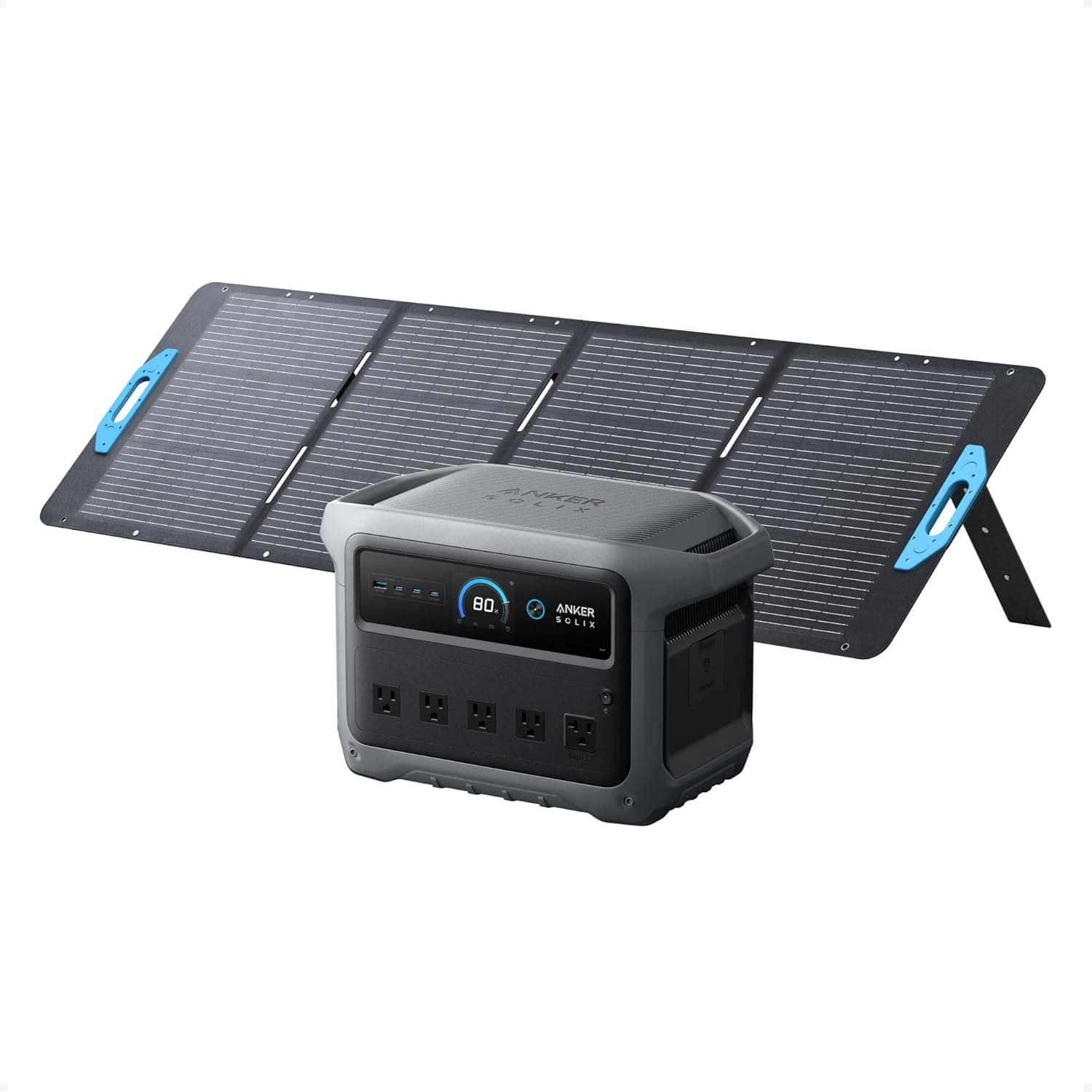
Power stations have matured into capable home-backup and travel hubs: quieter than gas generators, simpler than DIY battery banks, and increasingly solar-fast. The “best” unit in 2026 depends less on brand hype and more on the capacity tier that fits your use case. If you are moving between tier lists and an Anker SOLIX C1000 Gen 2 Review, the main goal is to map one product story back to the capacity class that fits your life.
Use this ranked-style guide to shortlist by Wh class—then verify continuous watts, solar input, and weight for camping, outages, or RV life.
Capacity tiers at a glance
Instead of crowning a single winner, we group stations by usable capacity and mission. Within each tier, prioritize LiFePO4 cells, pure sine wave output, honest surge ratings, and solar input that can realistically refill the pack in a day of sun.
Price per Wh, warranty length, and expandability break near-ties. App monitoring is useful but secondary to electrical fundamentals.
Tier 1: Compact (under ~700 Wh) for camping
Best for tents, day vans, photography kits, and CPAP on short trips. Look for under 10–12 kg, USB-C PD for laptops, and at least 200–300 W solar input so a foldable panel keeps pace.
Expect to run lights, phones, drones, and a small cooler—not a microwave. Continuous output around 300–600 W is typical and sufficient for this tier.
- Mission: weekend camping and travel electronics
- Target: 300–700 Wh LiFePO4
- Watch: weight, quiet fans, USB-C PD wattage
Tier 2: Mid-size (~700–2,000 Wh) for outages
The sweet spot for apartment and house outages: fridge, router, lamps, laptop, and phone charging through the night. Continuous 1,000–2,000 W covers most essential circuits when you load-shed intentionally.
Prefer models with fast AC wall recharge so you can top up during rolling outages, plus 400–800 W solar for multi-day events.
Tier 3: Large (2,000+ Wh) for RV and off-grid
RV travelers, vanlifers, and cabin users benefit from high-capacity packs and expansion ports. Aim for 2,000–5,000 Wh base capacity, 2,000 W+ inverters, and solar input that accepts permanent roof arrays.
Wheeled designs help with garage-to-vehicle moves. Confirm the unit can handle RV air-conditioner soft starts only if the surge rating and soft-start kit documentation explicitly support it—many still cannot.
Quick buying checklist for 2026
Match tier to mission, then verify: LiFePO4 cycle rating, pure sine AC, solar Voc limits, port mix, and real shipping weight. Read the continuous vs surge fine print for any appliance with a motor.
When two stations share similar Wh, pick the one with faster solar input and clearer expansion options—you will feel those advantages every sunny afternoon.
Frequently Asked Questions
What is the best power station size for camping?▾
Most campers do well between 300 and 700 Wh. Add a 100–200 W foldable panel if you stay more than one night without shore power.
What size power station do I need for a home outage?▾
For fridge, lights, and internet, 1,000–2,000 Wh is a common starting range. Larger homes or medical devices may need more capacity or a dedicated backup system.
Are bigger Wh ratings always better?▾
Not if you never use the capacity—you pay in weight and price. Oversizing slightly for weather reserve is smart; doubling capacity “just in case” rarely is.
Can top power stations charge from solar and the wall?▾
Most mid and large 2026 models support both. Check maximum AC input and solar input separately; they are not always the same number.
Do I need expandable batteries for an RV?▾
Helpful if you dry camp often or add a second fridge. Expansion lets you grow without replacing the inverter and outlets you already like.