Portable Power
Best Solar Generators for Power Tools 2026
By Marcus Chen | Published May 20, 2026 | Updated May 23, 2026
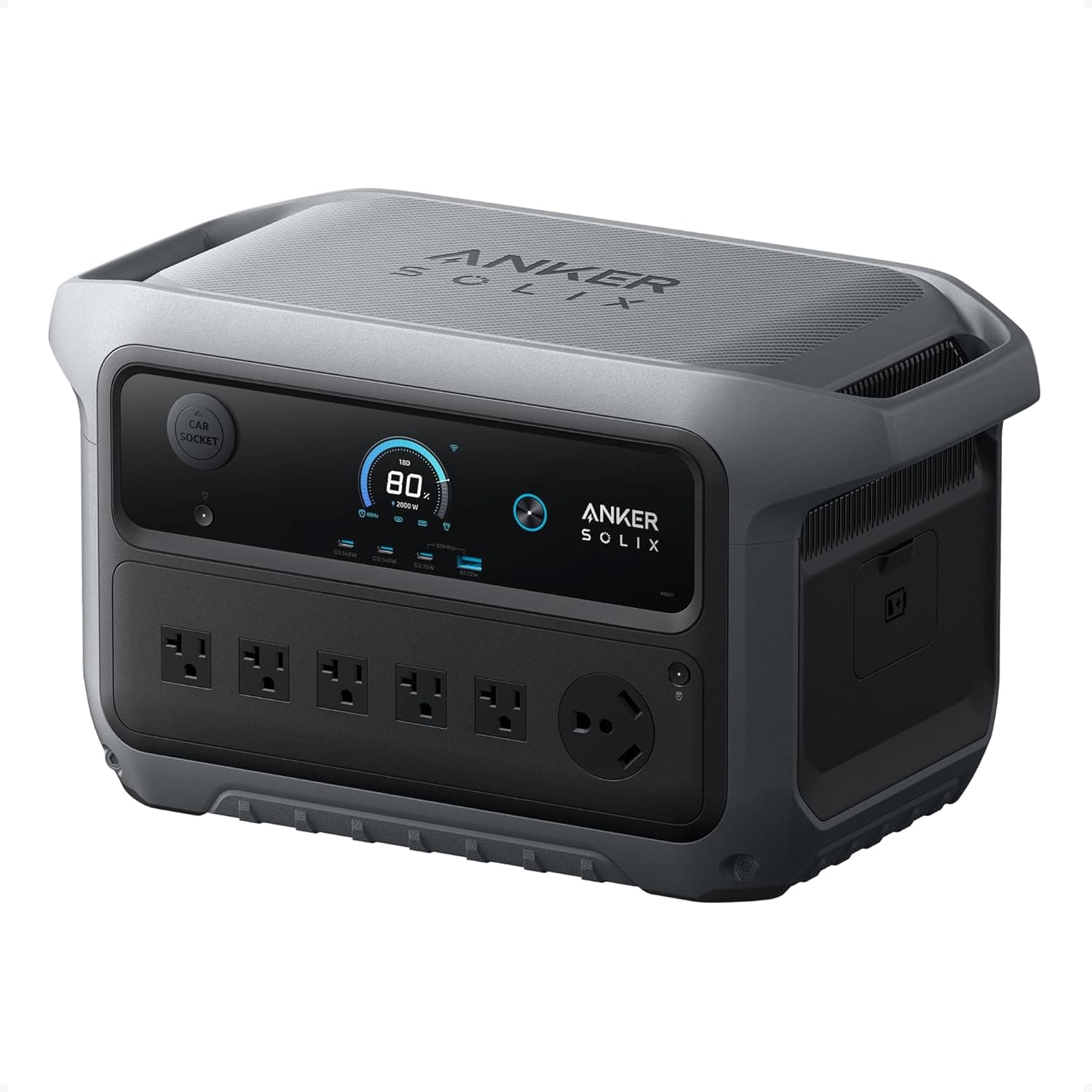
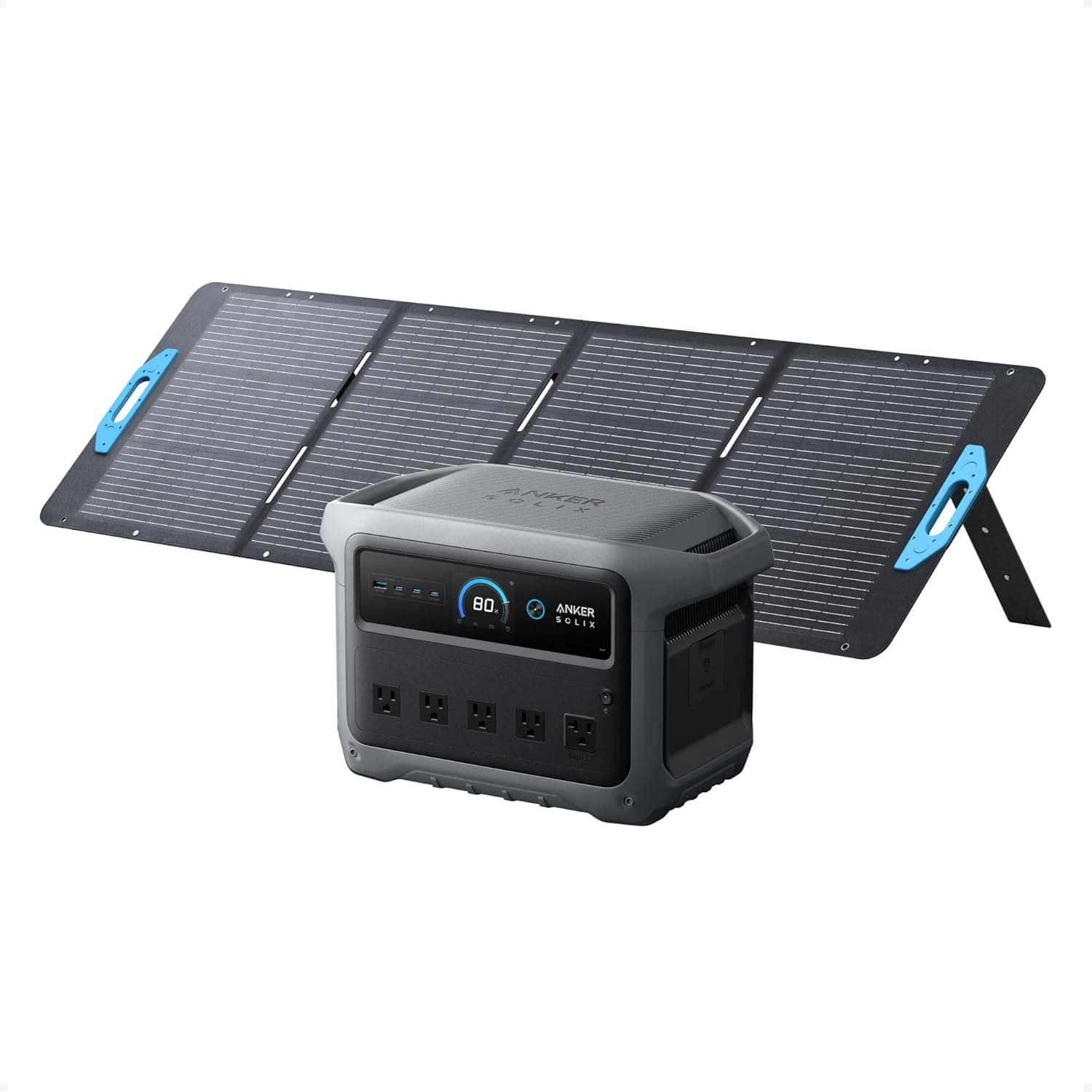
Choosing the best solar generator for power tools is not about buying the biggest battery with the loudest marketing. It is about matching continuous watts, surge watts, inverter quality, recharge speed, and usable battery capacity to the way real tools behave on a jobsite. If you are reading this alongside an Anker SOLIX C1000 Review, concentrate on surge behavior, recharge speed, and whether your real tool mix fits the inverter.
This guide is written for contractors, remodelers, installers, remote property owners, and serious DIY users who want cleaner and quieter jobsite backup power than a gas generator can provide. We focus on the questions that actually matter: Will it start a circular saw? Can it keep battery chargers, lights, and a vacuum running during a shift? How much capacity do you need before lunch, and how fast can you recharge before the next task?
Rather than repeating brand claims, this article uses a practical sizing framework built around motor startup, duty cycle, inverter headroom, thermal limits, charging workflow, and battery chemistry. If you are comparing broader backup options as well, see How to Select the Best Solar Generators 2026 and How we tier top power stations.
Key takeaways
- For most users, the best solar generator for power tools is sized by inverter performance first and battery capacity second.
- A tool that looks manageable on paper can still fail if surge watts and motor startup current exceed the inverter's short-duration headroom.
- For tool work, LiFePO4 battery platforms with a pure sine wave inverter are usually the safest long-term choice.
- A realistic workday plan should include chargers, vacuums, lights, phones, and idle losses, not just the headline draw of a saw.
- Solar works best as a top-up strategy; overnight AC charging is still the most reliable workflow for heavy tool use.
What makes a solar generator viable for power tools
A good camping power station and a good power station for tools are not the same product. Small recreational units can be excellent for phones, lights, and laptops, but power tools stress a station in a different way. Motors create short inrush spikes, blade binding can trigger sudden amperage jumps, and chargers plus accessories can keep pulling power long after the cut is done.
That is why the first filter should always be inverter class. If a station cannot deliver enough clean, stable AC output at startup and under load transitions, extra battery capacity does not save it. For tool use, the core specification stack is continuous watts, surge watts, waveform quality, thermal management, and outlet design. Only after those are confirmed should you look at watt-hours, solar input, app features, or cosmetic portability claims.
In practical terms, the best solar generator for power tools is the one that can start your highest-demand tool without nuisance shutdowns, keep voltage stable when loads cycle, and still leave enough battery for chargers, lights, and support gear. That sounds obvious, but it eliminates a large number of units sold with lifestyle-focused marketing rather than work-focused electrical performance.
- Continuous watts tell you what the inverter can support steadily.
- Surge watts tell you whether the station can absorb startup spikes from motors and compressors.
- Pure sine wave inverter output is preferred for modern chargers, brushless electronics, and sensitive tool controls.
- LiFePO4 battery chemistry is usually better for cycle life, thermal stability, and heavy repeated use.
- Recharge speed matters because a station that recovers slowly can bottleneck the next shift even if its battery is large.
Continuous watts vs surge watts: the numbers that really matter
Many users make the same mistake: they calculate a tool's running wattage and stop there. That is only half the story. A corded motor often draws a brief but much larger startup current before it settles into normal operation. A 15 A saw may suggest about 1,800 W at 120 V, but startup behavior, material resistance, and load changes can push momentary demand well above that. This is why a station that looks adequate on paper may still trip when a blade first bites into lumber.
For solar generator for circular saw use cases, it is smart to leave meaningful headroom above the tool's label rating. The same logic applies to grinders, shop vacs, and air compressors. Even if a tool can technically start on a borderline inverter in a controlled demo, real jobsites are less forgiving. Long cords, hot weather, dusty vents, and repeated restart cycles all increase the odds of shutdown.
A useful buying rule is to treat listed tool wattage as the floor, not the target. If your heaviest tool is around 1,500 to 1,800 W running, you should usually be looking at stations with genuine high-output inverters rather than entry-level recreational packs. That gives you startup margin, reduces thermal stress, and improves the odds that the station can power a second support load at the same time.
- Battery chargers for cordless platforms often land around 50 to 300 W each.
- Corded drills, drivers, and rotary tools commonly fall in the few-hundred-watt range under normal use.
- Circular saws and miter saws can climb into the 1,200 to 1,800 W range with higher startup demand.
- Shop vacs and compressors often look manageable when running but can be difficult to start cleanly.
- Resistive loads are usually easier to predict than motor loads, but tools are rarely purely resistive in real use.
How to estimate runtime for a real workday
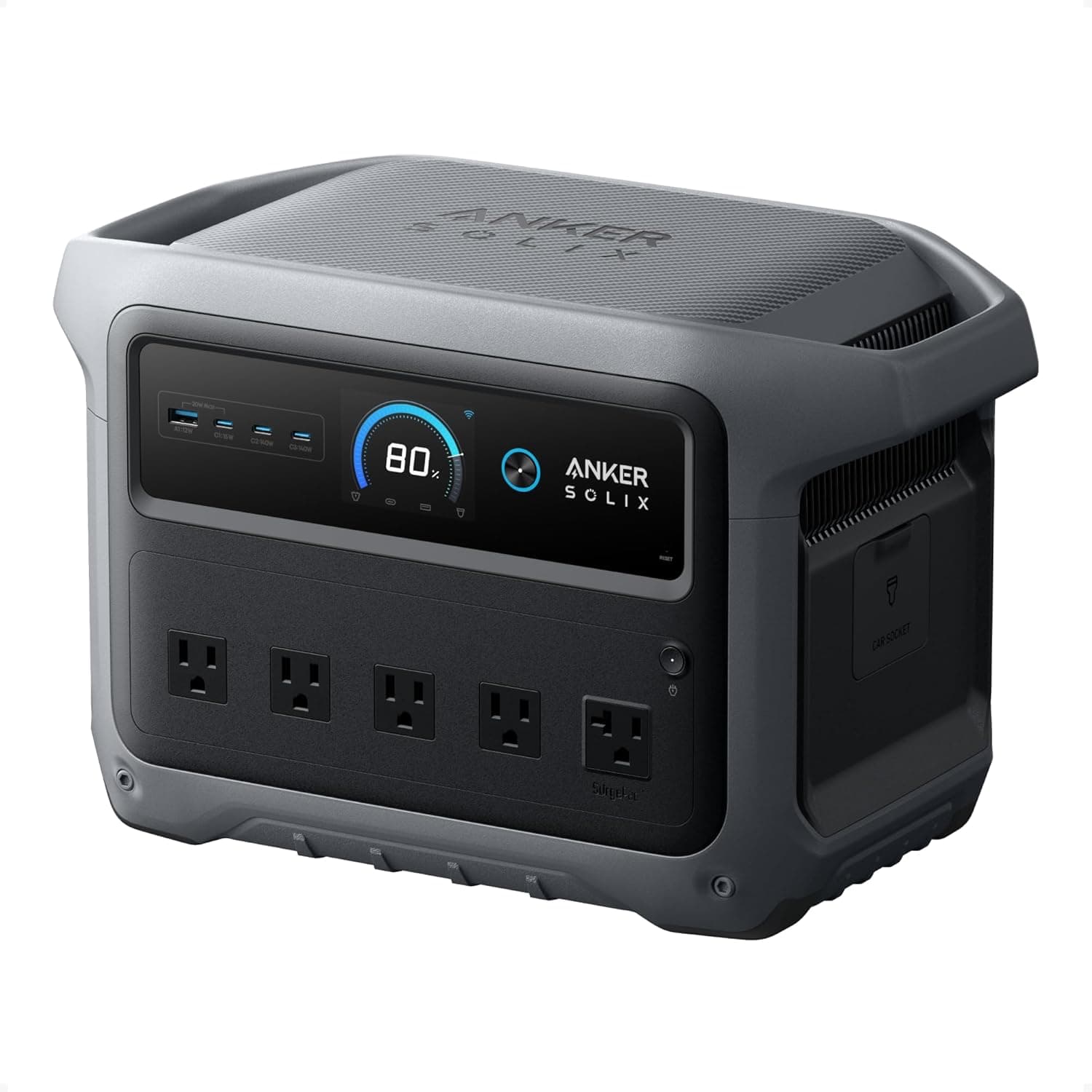
Runtime is not determined by battery size alone. A station advertised at 2,000 Wh does not deliver the full nameplate number to your tool because conversion losses, inverter overhead, heat, and reserve management all reduce usable energy. In real terms, many users should assume only a portion of the labeled capacity is available for AC tool output, especially at higher loads.
The next trap is assuming a tool runs at full draw all day. In reality, many jobsite tools work in bursts. A circular saw may cut for seconds at a time. A drill may alternate between idle, trigger pulls, and pauses. A charger cycles on and off as the battery pack fills. This is where duty cycle matters more than the headline wattage. A station that cannot run a saw continuously for hours may still support a full afternoon of intermittent cutting and charging.
To size a portable power station for contractors, start with the loads that are likely to overlap. Add the saw, vacuum, charger, task light, and device charging that may run in the same working window. Then estimate how often each load is active. This produces a much better workday forecast than multiplying nameplate wattage by eight hours and assuming everything is on all the time.
- A 2,000 Wh class station can be enough for intermittent cutting, charging, and lights on smaller crews.
- A 3,000 Wh class station is easier to justify when vacuums, multiple chargers, or heavier saw use are part of the day.
- If the inverter is undersized, extra watt-hours do not help because the station still cannot support the load.
- If the battery is undersized, the station may start the tool but still become a workflow bottleneck before the day ends.
Pure sine wave inverter quality and why cheap specs can mislead
When people search for the best solar generator for saws or grinders, they often compare only wattage and battery size. That misses one of the biggest quality differences in the category: inverter behavior. A strong inverter does more than hit a peak number in a lab. It maintains voltage more cleanly, handles transient load changes better, and is less likely to shut down when a motor starts under imperfect conditions.
This matters because modern tools and chargers are not all equally tolerant of dirty power. A pure sine wave inverter is the baseline recommendation for expensive cordless charging platforms, brushless electronics, and variable-speed gear. It can reduce heat, avoid odd charger behavior, and deliver a more stable experience when multiple loads share the same station.
Marketing also hides an uncomfortable truth: not all published surge claims are equally meaningful. Some brands describe extremely short-duration peak events that do not translate into repeatable tool starts. Others rate output more conservatively. That is why professional buyers should value detailed spec sheets, clear operating temperatures, honest input limits, and transparent battery chemistry over flashy one-line peak claims.
Tool-by-tool sizing: what different crews actually need
A finish carpenter charging cordless batteries and running trim saws intermittently has different needs from a maintenance crew using grinders, vacuums, and lighting all day. The best way to shop is by workflow cluster. Ask what combination of tools must run together, which one has the hardest startup profile, and whether the station is supporting direct AC tools, cordless charging, or both.
For many crews, the highest-value use case is not powering every tool directly. It is creating a quiet jobsite backup power hub for battery chargers, inspection lights, fans, routers, vacs, lasers, and occasional AC tool bursts. That approach dramatically improves runtime because cordless packs absorb the heavy work while the station keeps the ecosystem topped up.
If your plan is to power sustained high-draw corded tools continuously, move up in inverter class quickly. The more your day resembles a mobile workshop rather than intermittent field work, the more aggressively you should size both inverter and battery. Users who want to run a miter saw and a vacuum together should be especially conservative.
- Cordless-first crews usually benefit most from strong AC charging capacity and enough battery for repeated pack charging.
- Trim and remodel workflows often need stable inverter output more than the absolute largest battery bank.
- Concrete, compressor, or heavy dust extraction workflows can overwhelm mid-sized stations faster than expected.
- Mixed crews should map the worst 15-minute window of the day rather than the easiest hour.
Recharge strategy: AC wall charging first, solar as a smart top-up
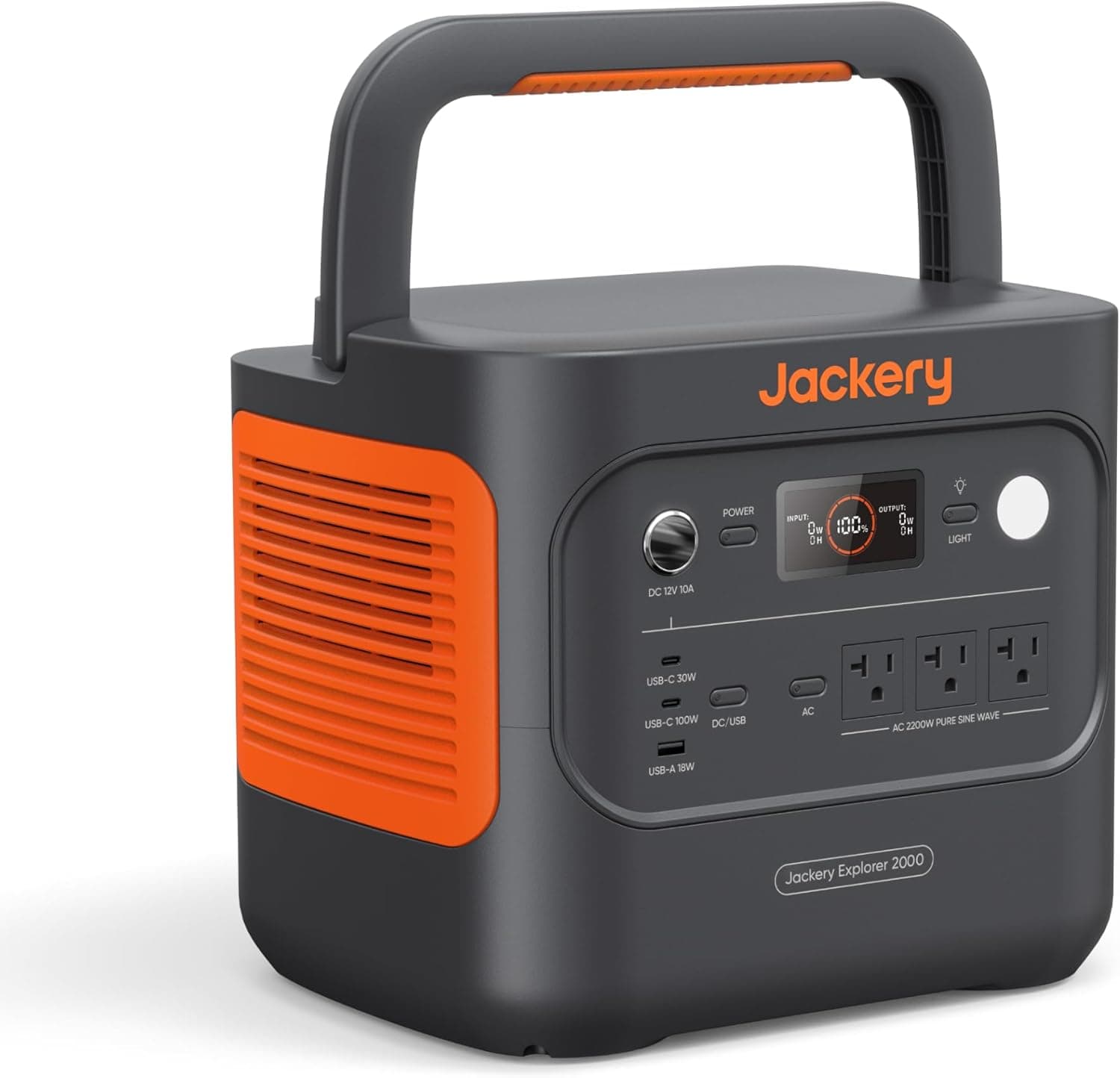
The phrase solar generator for power tools suggests that solar panels do all the work. In reality, heavy tool users should usually think of solar as recovery assistance rather than the primary refill source. The station is commonly charged from the wall overnight, then topped up by solar during breaks, lunch, or extended daylight downtime. That is the workflow that delivers the least friction on real projects.
Solar input still matters because fast solar acceptance can recover useful energy on remote sites. If your station only accepts modest solar input, even a bright day may not replenish much once inverter and heat losses are considered. On the other hand, a station with stronger solar intake and good MPPT control can meaningfully stretch runtime for chargers, lights, and medium loads.
Panel setup also has to be realistic. Shade, poor angle, roof debris, long cable runs, and frequent repositioning all reduce real harvest. For contractors, portability and deployment speed matter almost as much as raw panel wattage. A solar kit that looks great on a spec sheet but takes too long to deploy may simply never get used between tasks.
- Overnight AC charging is the most dependable base strategy for heavy tool users.
- Solar is best viewed as a range extender and midday recovery tool.
- Higher solar input capability is more useful when the station already has enough inverter performance.
- Good cable management, panel placement, and shade avoidance matter more than marketing claims about perfect output.
Battery chemistry, cycle life, and thermal behavior
For demanding use, LiFePO4 battery chemistry is usually the safer default recommendation than older lithium chemistries commonly found in cheaper or aging products. LiFePO4 platforms generally offer stronger cycle life, better thermal stability, and a better fit for repeated partial discharge and recharge patterns common on worksites.
That does not mean battery chemistry alone guarantees performance. A high-quality battery still depends on the battery management system, cell matching, cooling strategy, and inverter integration. But once you move into repeated contractor-style usage, the long-term value difference between a short-life pack and a durable LiFePO4 system becomes hard to ignore.
Heat is another factor users underestimate. Tool loads, fast charging, and direct sun can combine to reduce output or trigger throttling. The best solar generator for power tools should be treated like electrical equipment, not patio furniture. Keep vents clear of sawdust, avoid baking the unit in direct summer sun, and leave airflow around the casing during heavy use and fast charging.
Safety, extension cords, and jobsite best practices
A station that can power the tool is not automatically a safe station setup. The full chain matters: cord gauge, plug fit, grounding expectations, dust, moisture, and placement. Undersized extension cords create voltage drop and additional heat, which can make a borderline inverter situation worse and can also stress the tool itself. Shorter, heavier-gauge cords are generally the better practice.
Placement matters too. Portable power stations should stay elevated from wet ground when possible, away from active cutting zones, and far enough from dust plumes that vents do not clog. If you are working indoors or in partially finished interiors, a solar generator has an advantage over gas because there are no fumes. But electrical safety discipline still applies exactly as it would with utility power.
Users should also separate what a station can technically do from what it should do repeatedly. If a unit starts a compressor only once when cool, that does not mean it is a good compressor platform all week. Professional use rewards margin. A station running comfortably is almost always more reliable, quieter, and longer-lived than one living on the edge of its published output.
- Use heavy-gauge extension cords and keep them as short as practical.
- Keep vents clear and avoid sawdust buildup around intake and exhaust paths.
- Do not leave the unit in standing water, mud, or direct rain unless the setup is explicitly protected.
- Treat repeated overload trips as a sizing problem, not a minor inconvenience.
When a gas generator is still the better tool
A high-quality solar generator is excellent for clean, quiet, low-friction power. But it is not the right answer for every workload. If your day involves all-day continuous high draw, large compressors, heaters, welders, or multiple simultaneous corded tools with very high startup demand, a gas generator may still be the more practical primary source.
The distinction is not ideological. It is operational. Solar generator for power tools setups are strongest where noise control, indoor-adjacent work, low maintenance, fast deployment, and emission-free operation matter. They are weaker where unlimited runtime under relentless heavy load matters more than convenience or cleanliness.
For many pros, the most rational setup is hybrid. Use a solar generator for clean support power, charging, electronics, lighting, and moderate direct tool use. Reserve gas only for the loads that genuinely justify it. That approach cuts noise and fuel use without pretending every jobsite need can be solved by battery power alone.
How to evaluate claims like a professional buyer
If you want an article that meets modern E-E-A-T expectations, the most useful thing it can give you is not hype but evaluation criteria. Start with the tool list you actually use. Confirm the heaviest AC tool, the likely overlapping support loads, and whether the station will mostly power chargers or direct corded work. Then compare inverter output, battery chemistry, recharge speed, and thermal behavior in that order.
Next, look for product details that signal credible engineering rather than soft marketing. Useful signs include clear AC output specs, transparent battery chemistry, stated solar input limits, honest recharge times, operating temperature guidance, and support documentation that explains overload behavior. Vague claims about replacing a gas generator with no discussion of load profile should be treated cautiously.
Finally, judge portability honestly. A station that is technically powerful but too heavy to move efficiently between rooms, floors, or vehicles may fail the real-world test. The best portable power station for contractors is the one that fits the electrical demand and the physical workflow. Performance on paper matters, but deployability decides whether the tool becomes part of daily operations or gets left in the truck.
Frequently Asked Questions
Can a solar generator run a circular saw?▾
Yes, but only if the station has enough continuous watts for the saw's running load and enough surge watts for startup. A saw that looks compatible on paper can still trip a weak inverter if startup current is high or if another load is already active.
What size solar generator do I need for power tools?▾
There is no one-size-fits-all answer. For lighter duty, charger-heavy workflows, a mid-sized unit may be enough. For direct AC tool use, especially saws, vacuums, or grinders, prioritize inverter size first and then choose enough watt-hours for the longest realistic work block.
Is a LiFePO4 battery better for contractor use?▾
Usually yes. A LiFePO4 battery is typically better suited to repeated use, frequent recharge cycles, and long service life than cheaper short-life alternatives. It is a strong fit for people who expect to use a station as a work tool rather than a once-a-month emergency device.
Can I recharge a solar generator fast enough during the workday?▾
Sometimes, but heavy tool users should not rely on solar alone. Midday solar can recover meaningful capacity, especially for chargers and support loads, but overnight AC charging is still the more dependable base plan for serious jobsite use.
Can a solar generator replace a gas generator completely?▾
For some crews and some tasks, yes. For constant heavy loads, large compressors, or very high simultaneous demand, not always. Solar generators are strongest when quiet operation, zero fumes, low maintenance, and moderate to high intermittent loads are the priority.
What should I avoid when buying a solar generator for tools?▾
Avoid undersized inverters, unclear surge ratings, modified sine wave output, weak solar input, and products that market themselves as universal generator replacements without explaining real load limits. Also avoid sizing only for the tool and forgetting chargers, vacuums, lights, and cable losses.
What are the main keywords this guide targets?▾
The core terms covered naturally in this guide include best solar generator for power tools, solar generator for circular saw, power station for tools, portable power station for contractors, jobsite backup power, continuous watts, surge watts, LiFePO4 battery, and pure sine wave inverter.