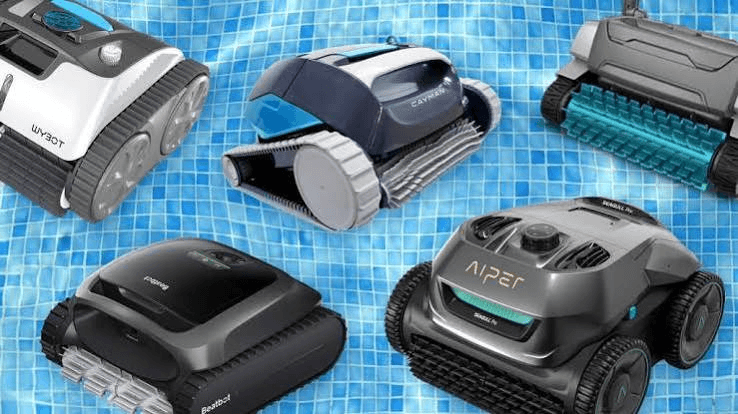
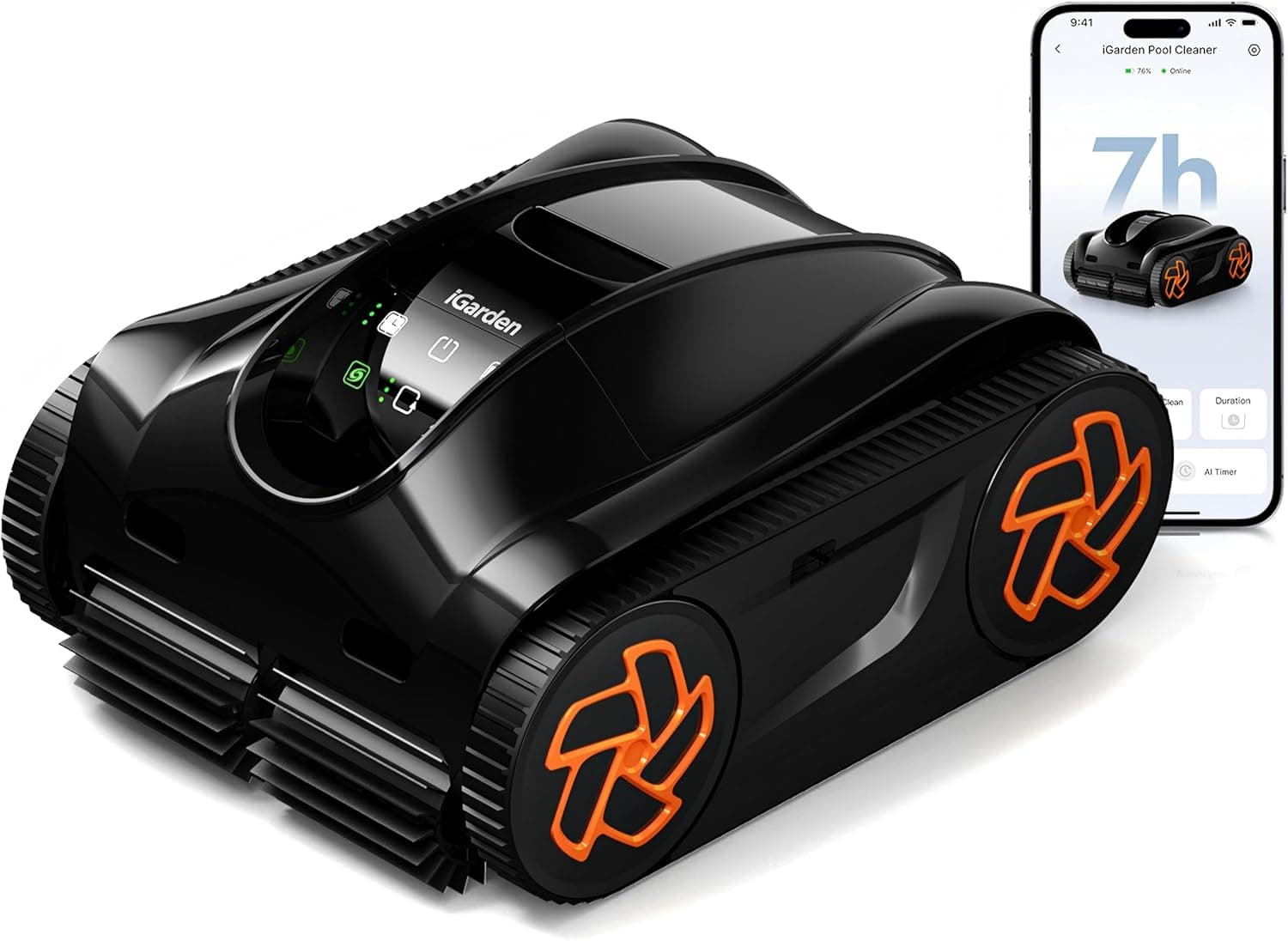
Pool Cleaners
How to Choose **Cordless Pool Vacuums**
By Sofia Almeida | Published May 3, 2026 | Updated May 6, 2026
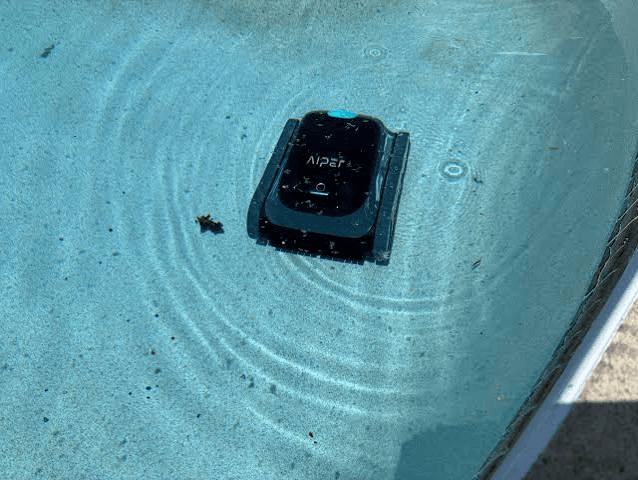
Cordless pool vacuums fix the biggest annoyance in robotic cleaning: the floating power cord. For many pool owners, that alone means the robot gets used more often. If you are comparing this advice with an Aiper Scuba V3 Review, focus on runtime, parking behavior, and how much manual cleanup still lands on you.
But cordless is not always the better buy. Battery limits, charging time, parking behavior, and wall coverage decide whether a cordless robot feels easy or annoying. This guide breaks down those trade-offs so you buy for your pool, not the sales page.
Key takeaways
- Cordless robots are best for small to mid-size pools and routine cleaning.
- Runtime matters more than fast charging. One full cycle on one charge is the goal.
- Auto-park, easy retrieval, and docking features can matter as much as suction.
- If your pool needs long heavy cleanups, a corded robot may still be the safer choice.
- Wall climbing, filter access, and battery care decide long-term satisfaction.
Cordless pool vacuum pros and cons
The upside is simple. No cord to untangle. Faster drop-in setup. Easier storage. Wet decks also stay cleaner and safer when there is no cable in the way.
The downside is just as simple. Battery life sets a hard limit. If the robot cannot finish a full cycle in your pool, the convenience disappears fast. Heavy debris, steep walls, and dirty filters all drain the battery sooner.
- Pros: no cord management, faster setup, cleaner deck
- Cons: limited runtime, charging delays, possible mid-cycle stops
- Best fit: small to mid-size pools, routine maintenance, owners who hate cords
Battery life is the first spec to trust
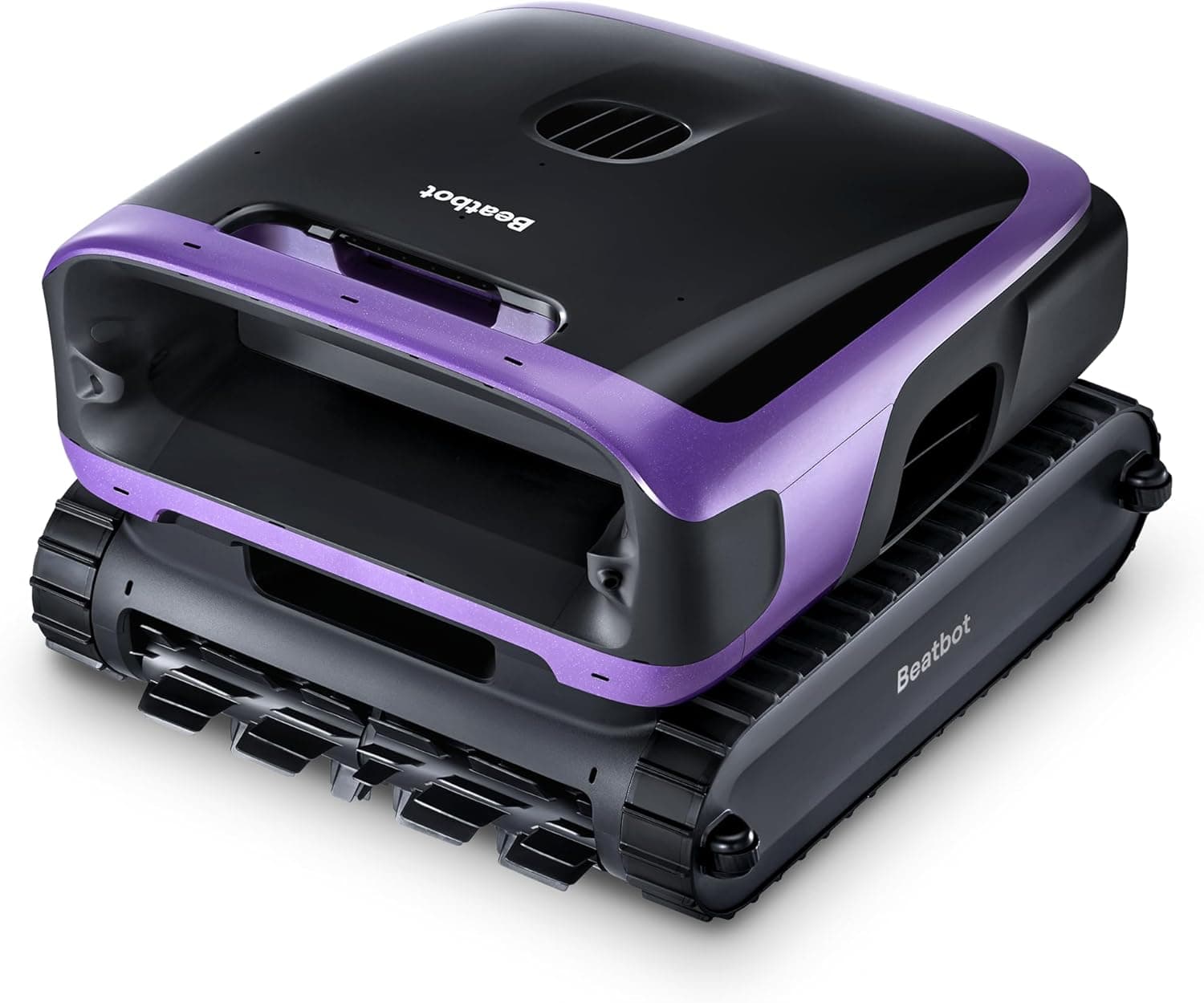
Ignore the marketing language and start with runtime. If your pool usually needs 90 minutes, shop for a robot rated closer to two hours. Give yourself margin.
Fast charging helps, but it does not solve a weak battery. Daily owners care more about whether one charge finishes the route than whether the unit recharges a little faster between cycles.
Clean the filter after each run. A clogged basket makes the motors work harder and cuts real-world runtime.
Charging and battery care
Heat is hard on batteries. If you live in a hot climate, follow the charging and storage instructions closely. Do not leave the unit baking on deck if the manual says otherwise.
Over time, all battery packs lose runtime. That does not make cordless bad. It just means battery care is part of ownership. If you want less battery stress and longer cleaning windows, buy more capacity than you think you need.
Retrieval, parking, and docking matter more than people expect
The worst cordless experience is pulling a dead robot from the deep end. Look for auto-park at the wall, waterline parking, remote retrieval, or a docking system that handles charging between cycles.
A true dock costs more, but it changes the product. The robot can leave, clean, and return with much less babysitting. If you are shopping below that tier, at least demand a reliable park-to-wall feature and an easy lift handle.
Coverage still decides whether the robot is good
Cordless does not excuse weak cleaning. Confirm that the robot can cover the floor, climb walls, and scrub the waterline if your pool needs it. Brush design and track grip matter just as much as battery size.
Filter access also matters. You will open it often. If the latch is awkward or messy, the convenience advantage fades quickly.
How to choose the right cordless pool robot
Start with pool size and depth. Then decide how much manual handling you will tolerate. Some owners are happy to lift the robot out after every cycle. Others want docking, parking, and app control because they value less friction.
Next, match the robot to your debris load. Light leaf fall and light dust are easier than heavy acorns, sand, or algae cleanup. When in doubt, size up on battery and coverage instead of trying to save a little upfront.
If you are still comparing options, our pool robot buying guide and best robotic pool cleaners list are good next reads.
- Step 1: measure pool size and note floor shape, wall height, and depth.
- Step 2: decide whether you need docking or can lift the robot out after each run.
- Step 3: choose runtime with margin, not the bare minimum.
- Step 4: confirm floor, wall, and waterline coverage before you buy.
When to skip cordless
Cordless is not the answer for every pool. If your pool is large, deep, or often covered in heavy debris, a corded robot may still be the safer main cleaner. Long endurance matters more than convenience when the cleaning load is tough.
You should also think twice if you do not want to manage charging habits at all. Cordless removes one kind of hassle and replaces it with another.
Final recommendation
The best cordless pool vacuum is the one that finishes a full clean without drama. That means enough runtime, easy retrieval, solid wall coverage, and filter access you will not hate.
If your pool is small to mid-size and you value fast setup, cordless can be a great upgrade. If your pool is large or your debris load is brutal, corded robots still deserve serious respect.
Frequently Asked Questions
Can a cordless vacuum replace a corded robot?▾
For many residential pools, yes. But large, deep, or heavily soiled pools may still do better with a corded robot as the main cleaner.
How long do cordless pool robot batteries last?▾
Battery life depends on chemistry, heat, care, and usage. Most packs last for multiple seasons, but runtime usually drops slowly over time.
What happens if the robot dies mid-clean?▾
That is why parking and retrieval features matter. Choose a model with auto-park or larger battery capacity, and keep filters clean to protect runtime.
Are cordless pool robots safer around kids and pets?▾
Removing the power cord reduces trip hazards. You still need to keep children away from the unit and follow the charger safety rules in the manual.
Do I need Wi-Fi in a cordless pool robot?▾
No. Wi-Fi can help with schedules and status checks, but cleaning performance still comes from the battery, brushes, route logic, and filter system.