Pool Cleaners
How to Choose a Pool Robot in 2026
By Sofia Almeida | Published May 24, 2026 | Updated May 27, 2026
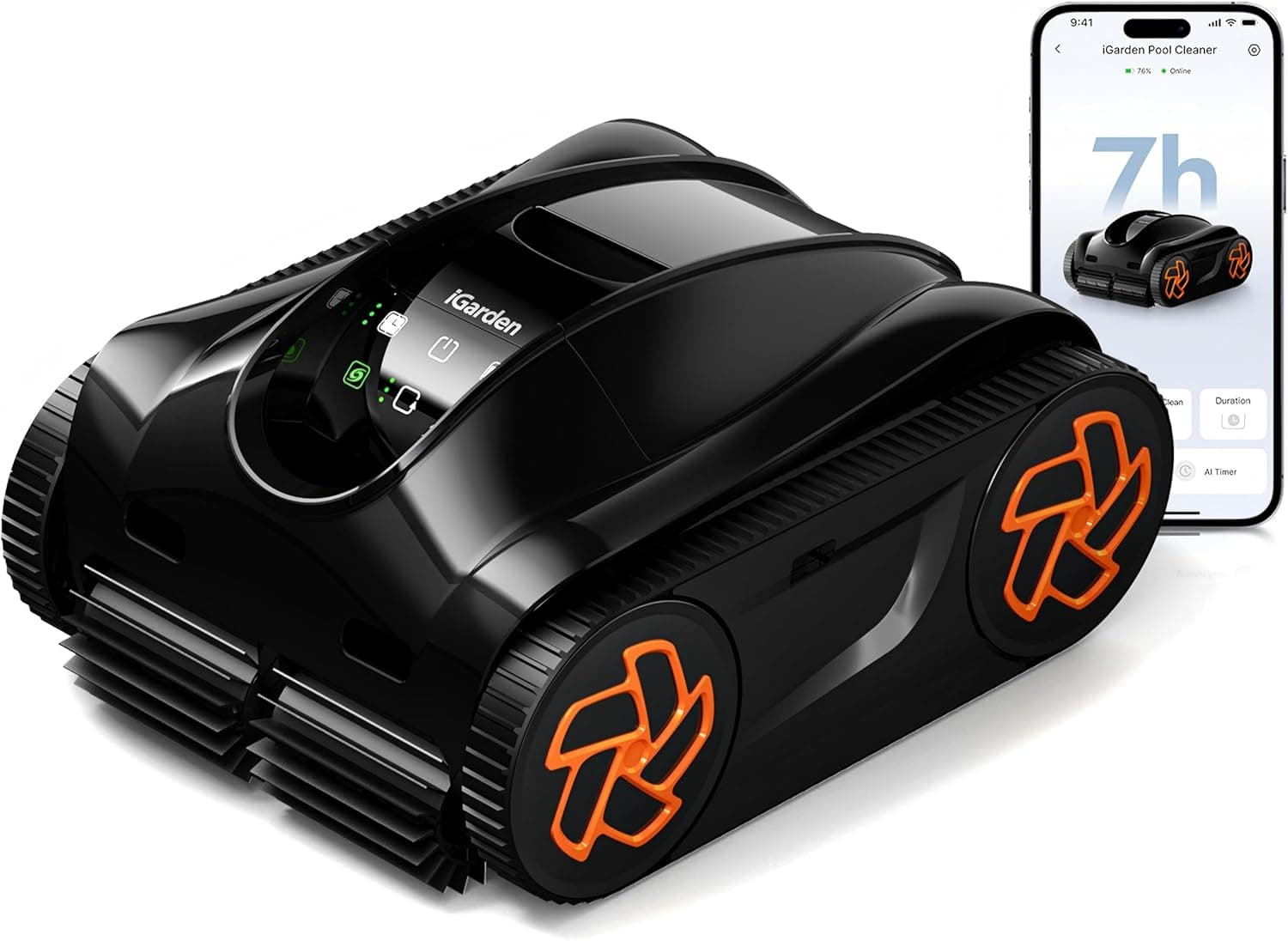
Choosing a pool robot is easier when you treat it like a specification problem, not a brand popularity contest. Size, surface type, debris profile, and how much handling you tolerate matter more than any single “best of” badge. If you are narrowing options after an Aiper Scuba S1 Review, keep translating every claim back to your pool size, debris load, and tolerance for maintenance.
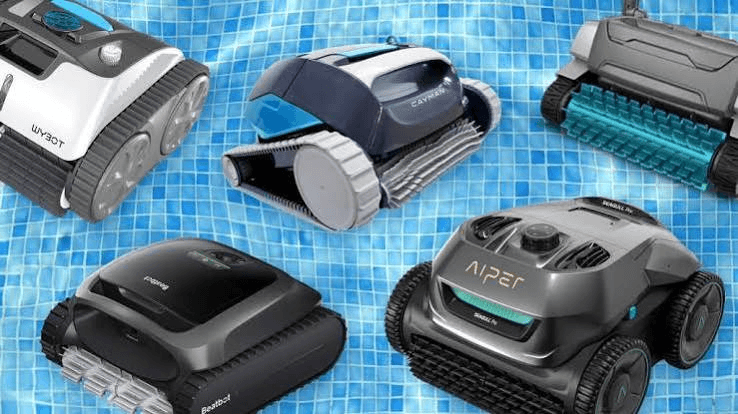
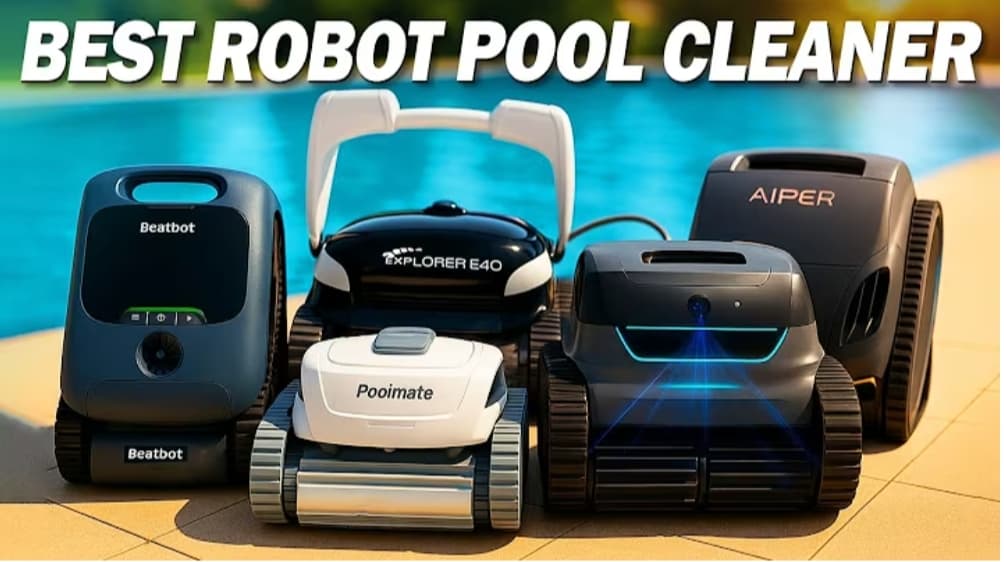
Use the framework below to narrow options in 2026—whether you are comparing corded Dolphin-style workhorses or cordless platforms from brands such as Beatbot and Aiper—before you look at price tags.
Step 1: Size and shape your pool accurately
Measure length, width, and deepest depth. Note steps, benches, and freeform curves. Manufacturers rate robots by maximum pool size; buy with headroom if your pool is irregular or heavily used.
Above-ground owners can often succeed with compact cordless units. Inground owners should assume they need stronger climbing and longer cycles unless the pool is unusually small and shallow.
Step 2: Decide required coverage
Floor-only is the entry standard. Add walls if you see biofilm or want less brushing. Add waterline scrubbing if oils leave a ring on tile. Each step up costs more but saves manual labor.
Match brushes to your surface. Plaster and pebble need durable scrubbing; vinyl needs approved, non-destructive contact. If the listing is vague on surfaces, keep shopping.
- Floor only: light debris, frequent manual wall care OK
- Floor + walls: most residential inground defaults
- Floor + walls + waterline: least brushing, highest convenience
Step 3: Filter design and maintenance friction
Open the product photos and ask how annoying emptying looks. Top-access baskets and multi-layer cartridges that rinse with a hose keep owners on schedule. Tiny traps that need tools fail in leaf season.
Fine filtration helps with sand and pollen; coarse capacity helps with leaves. Ideal designs offer both. Check that replacement filters are sold in your market.
Step 4: Corded or cordless
Pick corded when you want maximum uninterrupted runtime and strong scrubbing on large or deep pools. Accept cord management and a nearby GFCI-protected outlet as part of the deal.
Pick cordless when setup speed and a clear deck matter most. Insist on runtime that beats your cycle needs and on parking, retrieval, or docking so the robot does not strand itself.
Step 5: Budget tiers without overbuying
Entry budgets cover small pools and floor-focused cordless tools. Mid budgets buy the features most owners actually use: walls, decent filters, reliable runtime. Premium budgets make sense for docking, mapping, large footprints, or harsh debris loads.
Spend on coverage and reliability before apps. A mid-tier robot you run three times weekly outperforms a premium unit that stays docked because emptying is a chore.
Final checklist before you buy
Confirm pool-size rating, coverage claims, surface compatibility, filter access, warranty length, and spare-part availability. Read recent owner notes on climbing and tassel or track wear for pools like yours.
When two models tie, choose the one with easier maintenance and clearer support. That decision compounds every time you rinse the filter after a windy weekend.
Frequently Asked Questions
What is the most important single factor?▾
Matching coverage and runtime to your pool size and debris load. Everything else is secondary.
Should beginners buy cordless?▾
Cordless is beginner-friendly if runtime is adequate. For large inground pools, a simple corded floor-and-wall robot can be more forgiving.
How much should I budget in 2026?▾
Expect mid-tier residential robots to occupy the practical sweet spot for most owners; entry units suit small pools, and premium docking suits large or hands-off setups.
Do I need smart app control?▾
Only if you will use scheduling and status alerts. Cleaning hardware quality matters more than connectivity.
Can one robot handle pool and spa?▾
Sometimes, if size and access allow. Many spas still need a small handheld for benches and tight steps.
When should I choose an inground-specific model?▾
When depth, wall angle, or footprint exceeds what compact above-ground robots are built for—see our inground-focused guide for details.