Pool Cleaners
Best Pool Robots for Inground Pools
By Sofia Almeida | Published June 18, 2025 | Updated July 22, 2025
Inground pools ask more of a robotic cleaner than shallow above-ground setups. Greater depth, steeper walls, larger footprints, and mixed surfaces (plaster, pebble, vinyl, or tile) all change how a robot climbs, turns, and holds suction. If you are also weighing a Beatbot AquaSense 2 Ultra Review, look closely at deep-end traction, wall hold, and how the robot handles heavier debris loads.
If your current vacuum leaves the deep end dirty or fails to scrub the waterline, the issue is usually traction, runtime, or coverage design—not “you need to run it longer.” This guide focuses on what actually works for inground layouts in 2026.
Why depth and wall geometry matter
A robot that cleans a 3.5-foot above-ground pool may struggle when the floor drops to 8 or 9 feet. Steeper transitions demand stronger drive tracks, better balance, and enough power to keep brushes pressed against the wall as it climbs.
Freeform shapes and Roman ends add another variable: the unit must reverse and re-route without missing pockets near steps and benches. Look for models marketed for full floor-and-wall coverage on inground pools, not floor-only handhelds adapted from small kits.
Wall climbing and waterline scrubbing
Active wall climbing is non-negotiable for most inground owners. Without it, algae films and biofilm settle on vertical surfaces between brush days. Premium robots combine climbing with a waterline pass that scrapes the tile band where oils collect.
Surface type affects results. Rough plaster and pebble finishes need durable brushes and reliable tracks. Smooth vinyl can be easier to climb but may show scuff marks if brushes are overly aggressive—check manufacturer guidance for your liner type.
- Confirm floor + walls + waterline in the product specs
- Match brush type to plaster, vinyl, or tile
- Test climb performance after the first few cycles on your deepest wall
Runtime: corded endurance vs cordless sessions
Large inground pools often need longer cleaning windows. Corded robots deliver continuous power for two- to three-hour cycles, which suits heavy debris seasons and deep ends that need multiple passes.
Cordless robots can still serve inground pools well when battery capacity and docking are sized correctly. Prioritize units with published runtime that exceeds your typical cycle, plus a reliable retrieval or auto-park feature so you are not fishing a dead robot from nine feet of water.
Filtration capacity for real debris loads
Inground pools collect more sand, insects, and fine silt than many above-ground setups. Undersized filter baskets clog early, cutting suction and leaving grit on the floor. Choose a high-capacity or multi-layer filter and empty it after every cycle during leaf season.
Fine filtration also reduces the load on your main sand or cartridge system. That does not replace proper chemistry and circulation, but it does keep the water looking clearer between filter cleanings.
What to buy for common inground scenarios
For a standard rectangular plaster pool with light use, a mid-tier floor-and-wall robot—corded or strong cordless—is usually enough. For deep ends, heavy trees, or commercial-adjacent residential use, step up to higher suction, larger filters, and proven climbing.
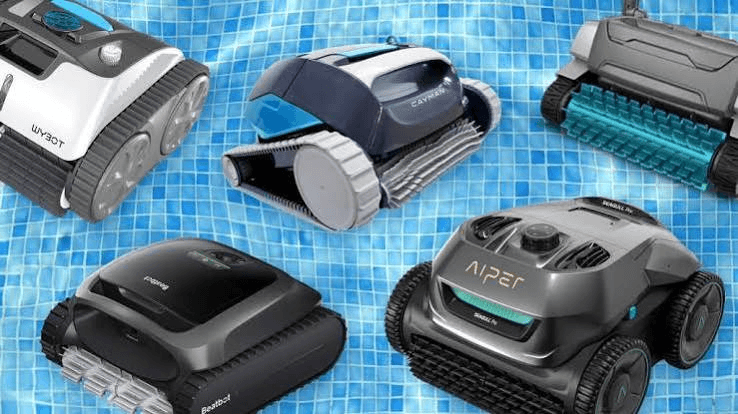
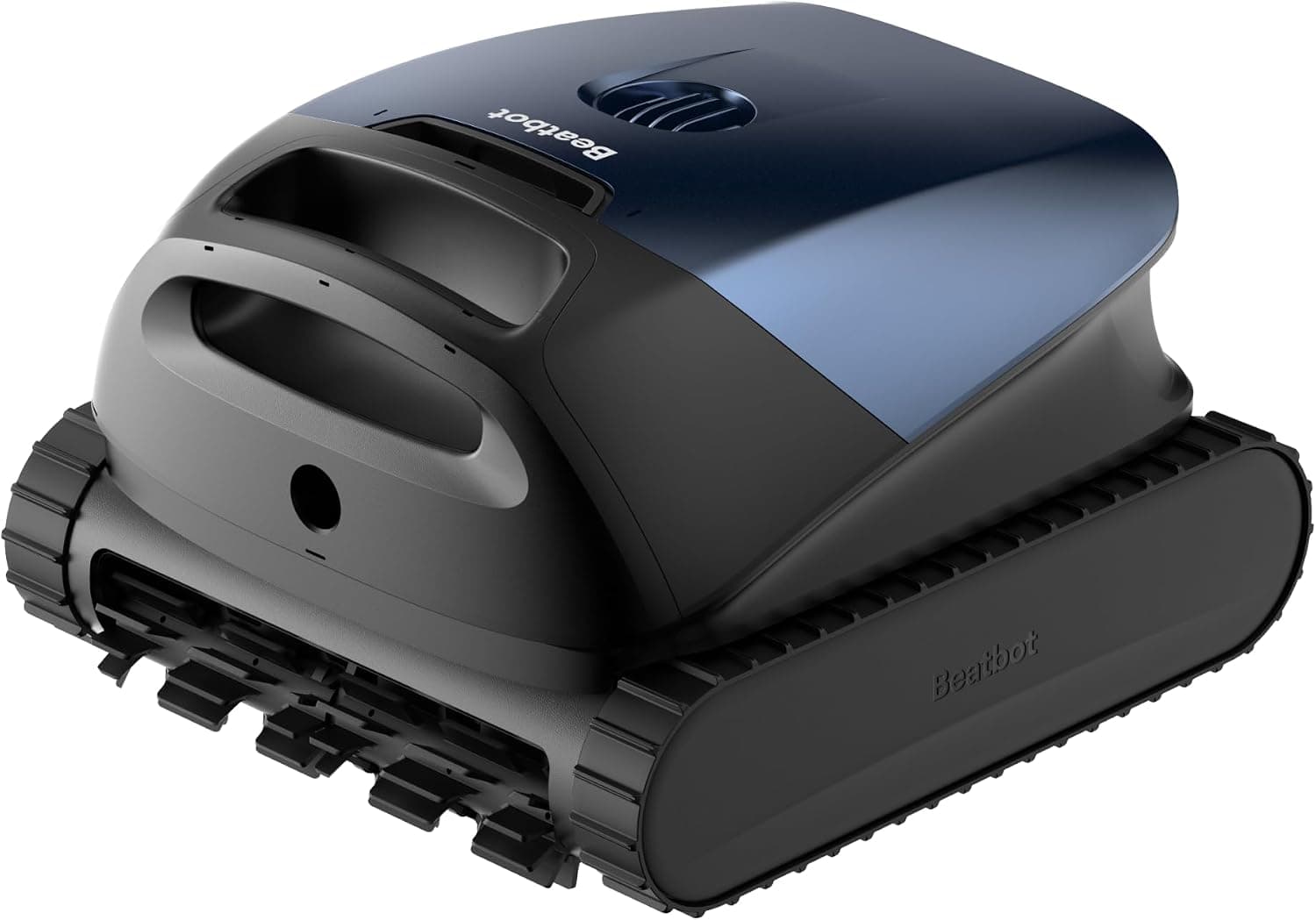
Brands such as Dolphin remain common for corded inground duty, while Beatbot and Aiper compete strongly where cordless docking and app control matter. Cross-check maximum pool size against your actual dimensions rather than the marketing headline.
Frequently Asked Questions
Can one robot clean both the shallow and deep ends?▾
Yes, if it is rated for your pool size and has enough traction and runtime. Deep ends simply need more passes; undersized units often quit before finishing.
Do inground robots work on vinyl liners?▾
Many do. Choose models explicitly approved for vinyl and avoid overly aggressive brushes if your liner is aging or textured.
How long should an inground cleaning cycle take?▾
Expect one to three hours depending on size and soil level. Larger freeform pools may need scheduled multi-day routines rather than a single marathon cycle.
Is cordless safe for deep inground pools?▾
It can be, when runtime and retrieval/parking are solid. If the battery often dies mid-pool, switch to a higher-capacity cordless model or a corded unit.
Will a robot replace brushing entirely?▾
Waterline-capable robots reduce brushing a lot, but corners, ladders, and stubborn spots may still need occasional manual attention.