Outdoor Gear
Best Flashlights 2026
By Jordan Blake | Published May 5, 2026 | Updated May 8, 2026
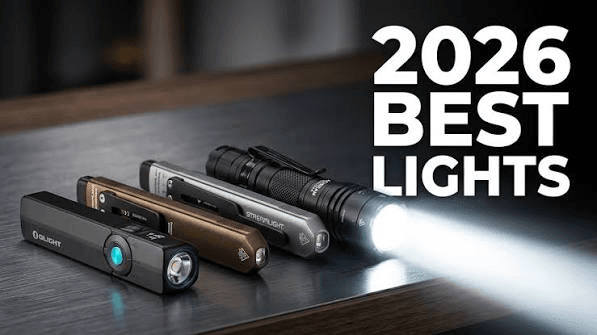
The best flashlight in 2026 is the one matched to your job: pocket EDC, trail camping, home emergency kit, or workshop inspection. This guide explains lumens, beam distance, USB-C charging, and how to shop premium Fenix-class builds versus solid mid-tier options鈥攚ithout fake affiliate link farms. If you came here after reading a Fenix PD36R Pro Review, use that same lens here: beam control, sustained output, charging convenience, and whether the light actually fits your routine.
What matters more than a lumen number
Lumens measure total light output, but they do not tell the whole story. Beam distance, hotspot intensity, spill width, runtime at usable modes, and thermal regulation decide whether a light is practical outdoors.
A 3,000-lumen burst that steps down in 60 seconds can feel dimmer on a trail than a well-regulated 800-lumen sustained mode. Shop for the mode you will actually leave on, not only the marketing peak.
- Lumens: overall brightness ceiling
- Candela / beam distance: how far the hotspot throws
- Runtime: minutes or hours at regulated output
- Beam pattern: tight throw vs wide flood for camp chores
- Ergonomics: pocket clip, tail switch, glove-friendly controls
EDC vs camping vs emergency kits
Everyday carry lights prioritize pocket size, a deep clip, and medium modes you can use indoors without blinding yourself. Think sustained mid-output, reliable UI, and a battery chemistry you can recharge weekly.
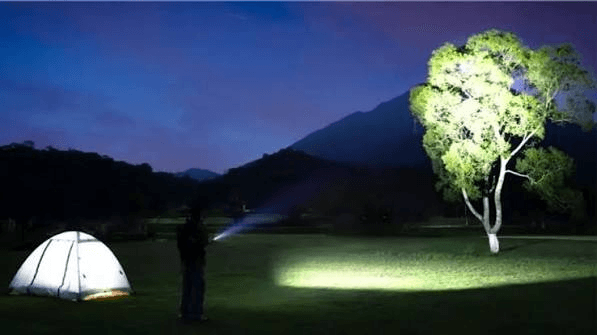
Camping and trail lights favor flood for tent and cook tasks, strong throw for path finding, and either USB-C onboard charging or easy swap cells. Home emergency lights should store well, accept common USB-C power banks, and include a low moonlight mode for blackouts.
USB-C charging and battery choices
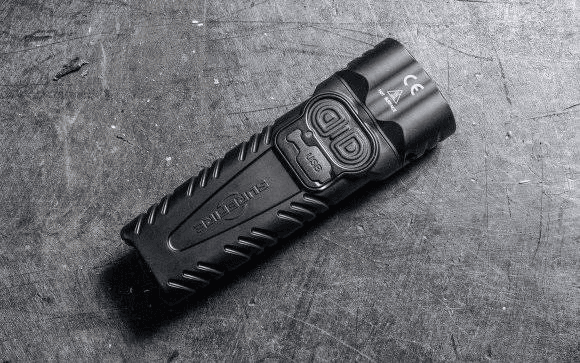
USB-C onboard charging simplifies travel: one cable for phone, power bank, and light. Removable 18650 or 21700 cells still win for field swaps and long expeditions if you carry spares.
Avoid mystery cells from unknown brands for high-drain lights. Match protected vs unprotected cell guidance to the manufacturer鈥檚 spec sheet, and never mix aged cells of different capacities in multi-cell lights.
How to read durability and weather claims
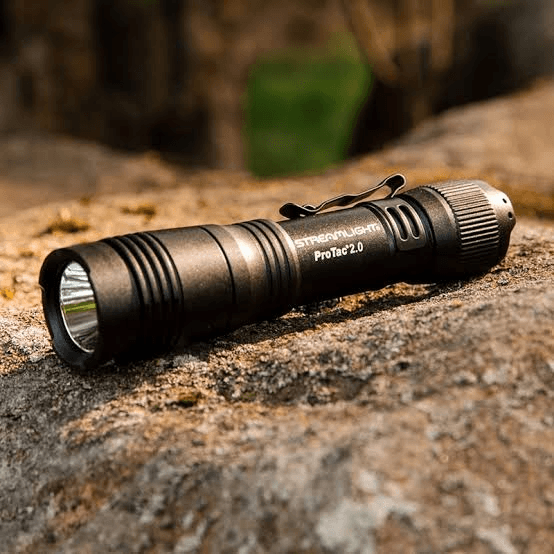
IP68-style ratings and impact standards (often cited around one-meter drops on common outdoor lights) indicate splash and shock tolerance, not indestructibility. O-rings, lens integrity, and switch design matter as much as the printed rating.
Anodized aluminum remains the default body material for balance of weight and toughness. Knurling and clip quality separate tools you trust in gloves from desk toys.
2026 shopping tiers (no fake product links)
Premium / Fenix-class: Expect polished UI, strong regulation, proven dealers, and clear runtime charts. Brands in this tier compete on consistency and support more than on a single flashy lumen spike.
Enthusiast mid-tier: Strong value when you want Anduril-style or flexible UIs, high performance per dollar, and an active user community. Read thermal notes carefully鈥攈igh output still needs heat management.
Budget utility: Fine for glove-box and closet kits if you verify USB-C behavior and avoid inflated lumen stickers. Prioritize a trustworthy seller and replaceable batteries over unverifiable peak claims.
- Premium: daily drivers you trust for work and travel
- Mid-tier enthusiast: performance hobbyists who enjoy tuning modes
- Budget: secondary kits and cars鈥攙erify claims before relying on them in the backcountry
Quick picks by use case
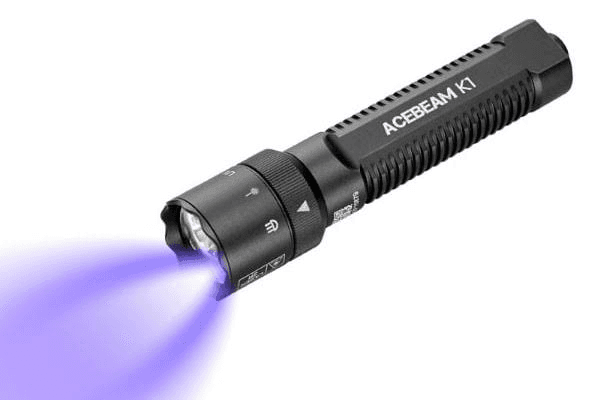
Pocket EDC: compact body, useful 100锟?00 lumen everyday mode, reliable clip. Camping: higher sustained output plus flood, with USB-C or spare cells. Home kit: simple interface anyone in the household can use in the dark.
If you already carry a power station or solar generator for outages, a USB-C rechargeable light pairs cleanly with that setup for multi-day blackouts.
Frequently Asked Questions
How many lumens do I need in a flashlight?▾
For indoor and neighborhood EDC, a well-regulated few hundred lumens is often enough. Trail throw and search tasks benefit from higher output and higher candela. Always weigh sustained runtime, not only the turbo number.
Is USB-C charging worth it on a flashlight?▾
Yes for most travelers and emergency kits鈥攐ne cable ecosystem is convenient. Serious backpackers may still prefer swappable cells so they can change batteries without finding a power outlet.
What is the difference between flood and throw?▾
Flood lights a wide nearby area鈥攊deal for camp chores. Throw concentrates a hotspot for distance鈥攊deal for paths and search. Many 2026 lights offer a balanced beam; specialty optics emphasize one extreme.
Are expensive Fenix-class lights worth the premium?▾
If you need predictable regulation, durable build, and straightforward support, premium outdoor brands often justify the cost. Casual closet use can be served well by a reputable mid-tier light.
Can I take a high-lumen flashlight on a plane?▾
Battery rules depend on airline and cell type. Spare lithium cells usually belong in carry-on with terminals protected. Check current aviation guidance before you pack.
EDC flashlight or headlamp for camping?▾
Carry both when you can: a handheld light for throw and signaling, a headlamp for hands-free tasks. If you buy only one camping light, prioritize hands-free flood for cooking and tent work.