Pool Cleaners
Robotic Pool Cleaner vs Skimmer: Which Do You Need?
By Sofia Almeida | Published May 8, 2025 | Updated July 22, 2025
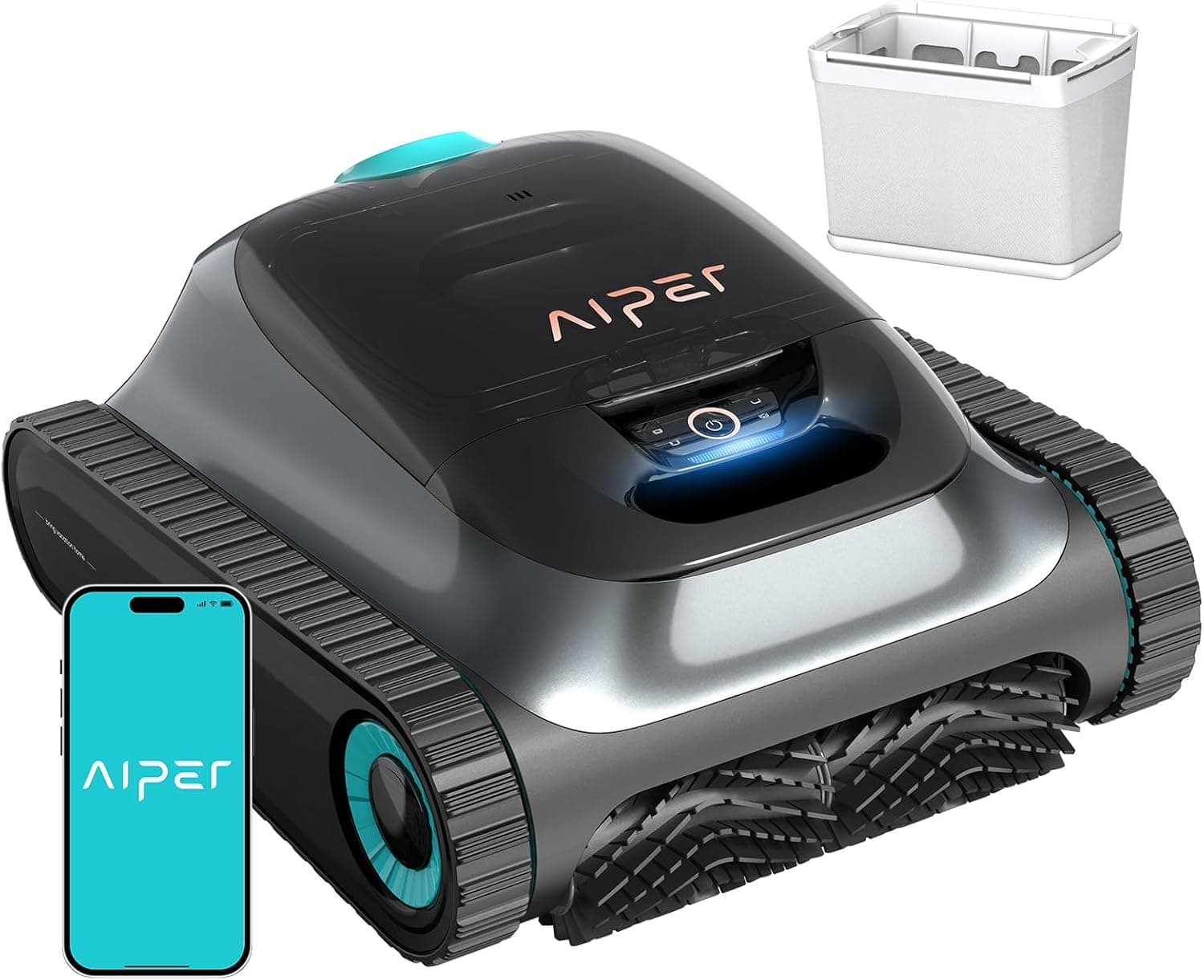
Pool owners often treat “skimmer” and “robotic cleaner” as interchangeable, but they solve different problems. Skimmers target floating debris at the surface; robots scrub and vacuum what sinks or sticks to floors, walls, and the waterline. If you are sorting through pool gear after an Aiper Scuba S1 Review, this breakdown should help you see which jobs a robot handles and which ones still belong to surface cleanup.
Choosing one when you need the other leaves the pool half-clean. This comparison clarifies roles, overlap, and when a combined setup is the smartest path in 2026.
What a skimmer actually does
Built-in weir skimmers on the pool wall pull surface water into the filtration system, catching leaves and bugs before they sink. Handheld leaf nets and some floating or robotic surface skimmers extend that idea for heavy tree cover.
Skimming shines when debris is still afloat. Once leaves waterlog and drop, or sand and pollen settle, surface tools cannot finish the job. Chemistry and circulation still depend on the main filter loop either way.
What a robotic pool cleaner does
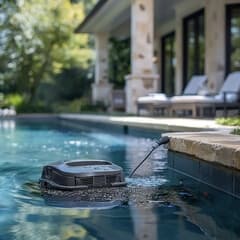
Robots independently vacuum the floor, and often climb walls and scrub the waterline. They carry onboard filtration, so debris goes into a basket you empty—without relying on suction from the pool pump for the cleaning path.
That makes robots the better answer for settled grit, algae films, and the greasy tile band. They do not replace a basket skimmer for continuous surface capture while the pump runs.
Side-by-side comparison
If your complaint is floating leaves after every windy afternoon, improve skimming and basket emptying first. If the floor feels gritty underfoot or walls feel slick, prioritize a robot with the right coverage.
Labor profiles differ too. Skimmers are passive when built-in, but nets mean manual work. Robots need scheduled runs and filter rinses, then largely take over floor and wall duty.
- Skimmer focus: floating leaves, bugs, surface scum
- Robot focus: floor debris, wall biofilm, waterline film, fine silt
- Pump relationship: skimmers use the filter loop; robots clean independently
When you need both
Most residential pools benefit from both layers. Keep weir skimmers clear and running, then schedule a robot two or three times weekly. Tree-lined yards may add a dedicated surface skimmer or more frequent netting during leaf drop.
Buying only a premium robot while ignoring clogged skimmer baskets still loads your filter and lets debris sink between cycles. Buying only nets while skipping floor vacuuming leaves sand and dead algae behind.
A simple decision rule
Start with symptoms. Surface mess → skimming and circulation. Floor/wall mess → robotic cleaner. Both symptoms → both tools, sized to your pool.
If budget allows only one upgrade this season and your floor is dirty, choose the robot. If floors are fine but baskets overflow daily, fix skimming and landscaping first.
Frequently Asked Questions
Can a robotic cleaner replace my wall skimmer?▾
No. Wall skimmers are part of continuous filtration. Robots are periodic cleaners for surfaces and settled debris.
Do robotic surface skimmers replace floor robots?▾
No. Surface units help with floaters; they do not scrub floors and walls like a full robotic vacuum.
Why is my floor dirty if the skimmer runs all day?▾
Debris that sinks bypasses the surface weir. You need vacuuming—manual or robotic—to remove it.
Should I run the robot while the pump is on?▾
Usually yes; they work independently. Follow your robot’s manual for any model-specific guidance.
Which upgrade improves water clarity faster?▾
It depends on the dirt location. Fine silt on the floor responds to a robot with good filtration; green surface film may need chemistry plus skimming.