Home Security
Top REOLINK Security Cameras 2026: Models & Use Cases
By Elena Vargas | Published May 12, 2026 | Updated May 15, 2026
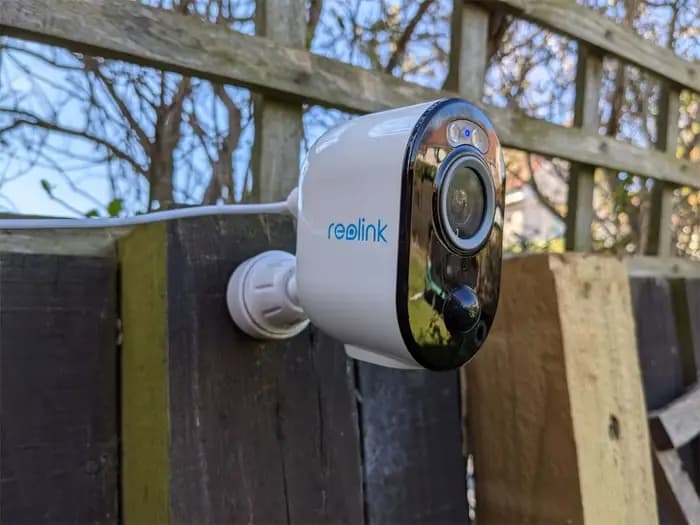
REOLINK has built a reputation among DIY installers for practical resolution, local-first recording, and expandable PoE kits that do not require a subscription to be useful. In 2026, the lineup still rewards homeowners who want control over storage and retention. If your shortlist started with a Reolink Argus PT Ultra Review, this guide will make more sense once you match each model to the distance, power source, and retention setup you need.
This review focuses on use cases—not a model-number dump. We look at where PoE NVR kits excel, when battery Argus-style cameras are the smarter choice, and how REOLINK doorbells fit a complete entry-point strategy.
Why REOLINK Stands Out in 2026
REOLINK’s strongest advantage remains local recording: NVRs and onboard storage that keep footage on your network without mandatory cloud fees. Resolution options commonly land in the 4MP–4K range, which is enough for identification when cameras are placed correctly.
The app and ecosystem are functional rather than flashy. Expect solid live view, playback, and multi-camera management—especially if you are comfortable with DIY networking. Buyers who want a fully hands-off “smart home only” experience may prefer other brands; buyers who want expandable outdoor coverage tend to stay with REOLINK longer.
Best Use Case: PoE Kits and NVR Systems
PoE kits remain the recommendation for primary home security. One Ethernet cable delivers power and data, which simplifies outdoor installs and supports more reliable continuous recording than Wi-Fi battery cameras.
An NVR-centered system shines when you need multi-day or multi-week retention, centralized backup, and consistent uptime. Front door, driveway, backyard, and garage cameras on a single PoE switch or NVR create a coherent perimeter that still works for local playback if the internet drops.
Choose PoE kits when you can run cable (or already have structured wiring) and want 24/7 recording as the default—not an expensive cloud add-on.
- Best for: primary outdoor perimeter and continuous recording
- Strengths: power + data on one cable, local retention, expandability
- Watch-outs: planning cable runs and basic network setup
Best Use Case: Battery Argus-Style Cameras
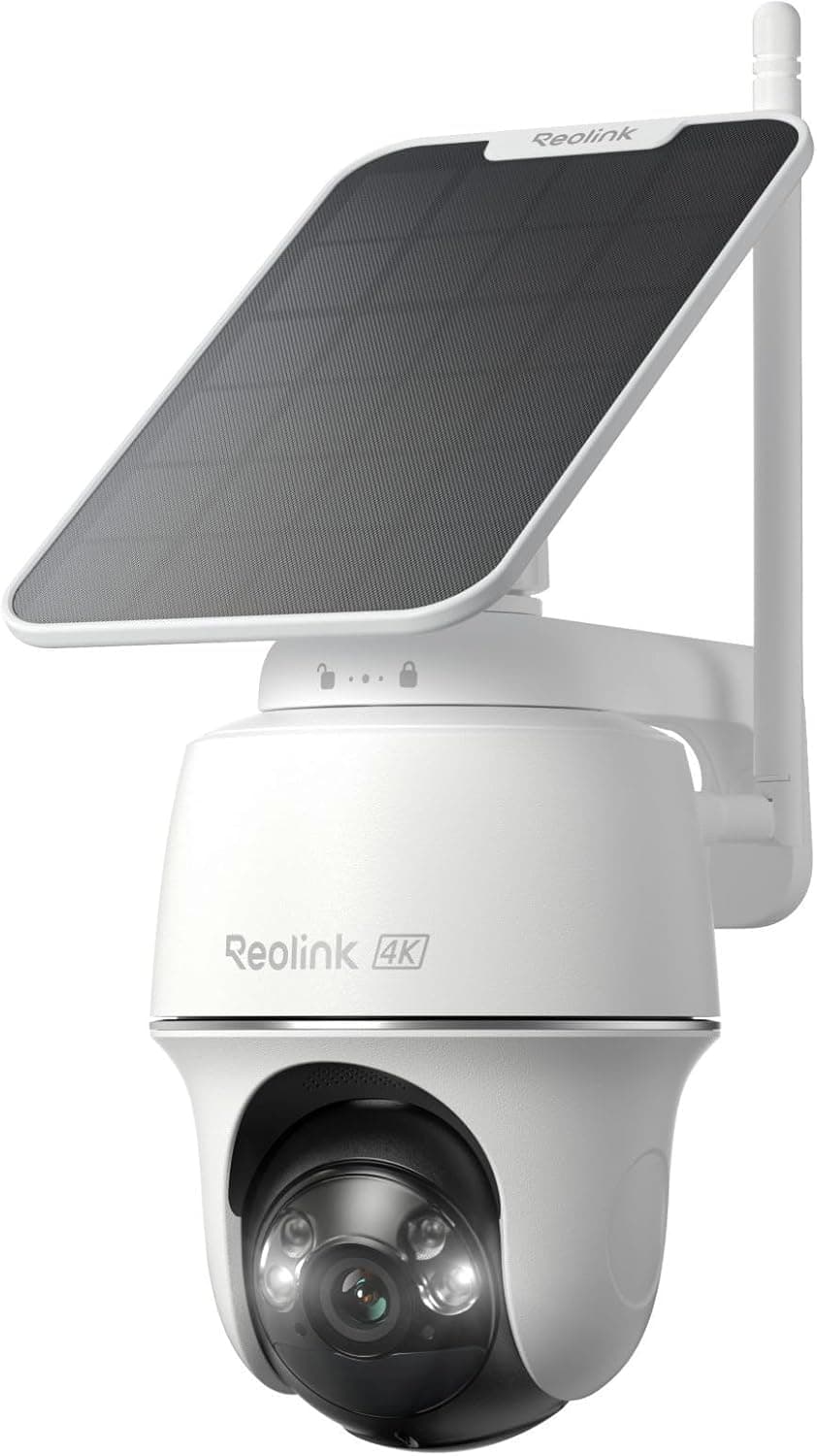
Argus-style battery and solar-ready cameras fill gaps where PoE is impractical: rental homes, detached sheds, gates, and temporary monitoring. They favor event-based recording, mobile alerts, and flexible mounting.
In professional use, treat them as secondary coverage. Pair a battery camera at a side gate with PoE units on the main entries rather than building an entire security system on batteries alone. Keep solar panels in true sun, and expect to revisit battery health over multi-year ownership.
These models are also useful for seasonal needs—construction projects, vacation property spot-checks, or covering a new landscaping blind spot until you can hardwire.
Best Use Case: Video Doorbells
A REOLINK video doorbell is strongest when it is part of a layered entry plan: doorbell for face-level visitors and packages, plus a wider porch or driveway camera for approach context.
Evaluate doorbell installs for existing chime compatibility, power options (wired vs battery), and night performance at conversational distance. Two-way audio quality matters more here than on a distant yard camera—test talkback in a realistic porch environment with background traffic noise.
If your porch is deeply recessed or backlit by afternoon sun, plan lighting and angle carefully; doorbell optics cannot fix a permanently silhouetted doorway.
Storage, Smart Detection, and Day-to-Day Ownership
Prefer local microSD or NVR recording as your primary archive, then add cloud only if you need off-site redundancy while traveling. Person and vehicle detection reduce noise, but you should still draw activity zones—especially near roads and foliage.
Firmware updates, password hygiene, and network segmentation (cameras on a dedicated VLAN or IoT network when possible) are part of responsible ownership. REOLINK systems reward users who treat security cameras like networked devices, not disposable gadgets.
Which REOLINK Setup Should You Buy?
If you own the home and can run cable, start with a PoE camera + NVR kit for doors and driveway. Add Argus-style battery or solar units for hard-to-wire angles. Finish the front approach with a doorbell if package theft or visitor identification is a priority.
If you rent or need a weekend install, begin with battery cameras and a doorbell, then upgrade critical angles to PoE when you can. That path preserves budget without locking you into a dead-end architecture.
- PoE + NVR: best overall reliability and retention
- Argus-style battery/solar: best for secondary and rental installs
- Doorbell + porch camera: best visitor and package coverage
Frequently Asked Questions
Are REOLINK cameras good without a subscription?▾
Yes. Local microSD and NVR recording are core strengths. Cloud features are optional rather than required for basic security use.
Is a PoE kit better than Wi-Fi cameras?▾
For primary outdoor coverage and continuous recording, PoE is usually more reliable. Wi-Fi and battery models are better where cabling is difficult.
When should I choose Argus-style battery cameras?▾
Use them for gates, sheds, rentals, and temporary spots. They work best as complements to wired cameras, not as your only critical recorders.
Do I need both a doorbell and a porch camera?▾
Ideal setups use both: the doorbell for face-level detail and talkback, and a wider camera for approach context and package drops outside the doorbell frame.
How long should I keep REOLINK footage?▾
Many homes target one to four weeks of local retention. Size NVR or card capacity to your camera count, resolution, and whether you record continuously or on events.
Are REOLINK systems hard to install DIY?▾
Battery and doorbell installs are approachable for most homeowners. PoE kits need basic cabling and network setup but are well within DIY reach with planning.