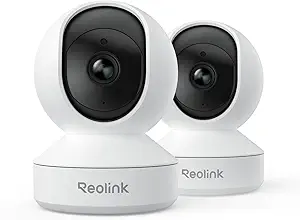
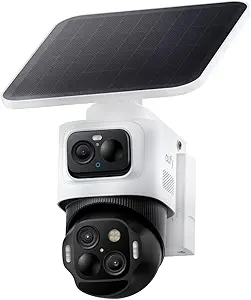
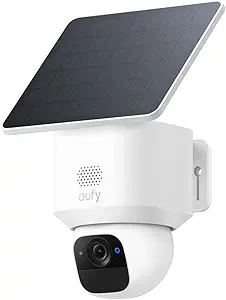
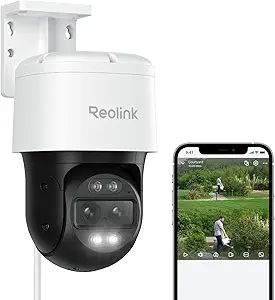
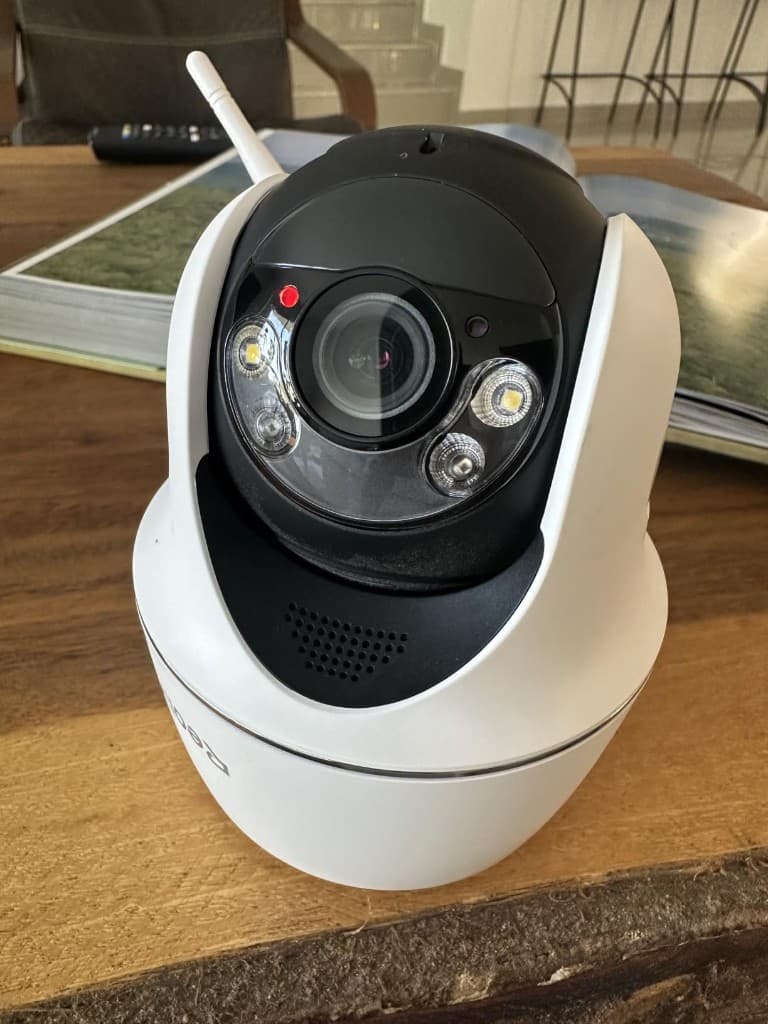
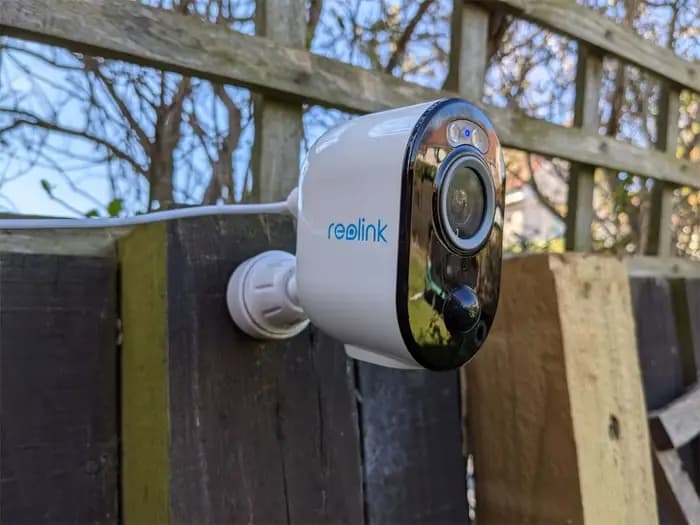
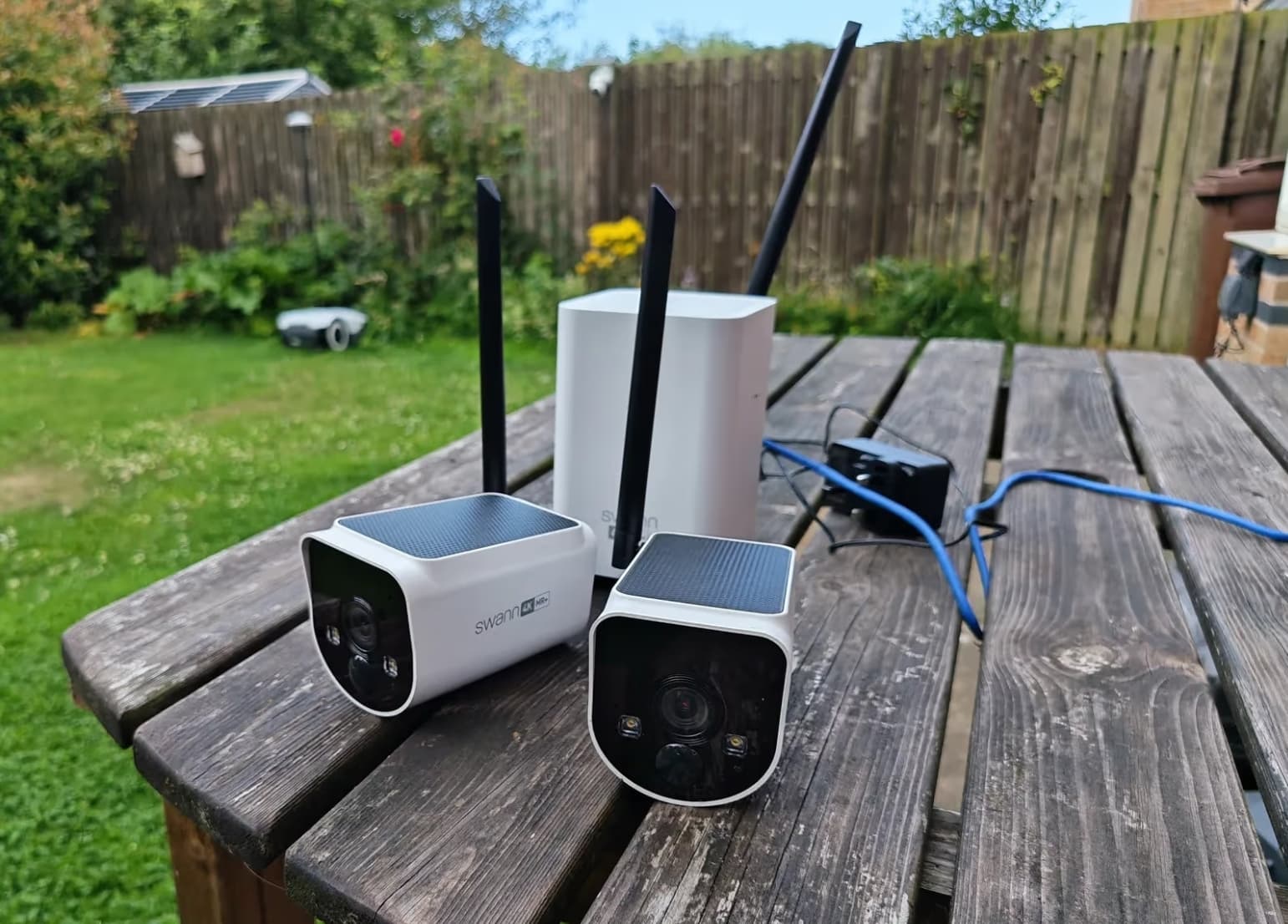
The rankings above are a scorecard. Below we dig into the three cameras we would actually put on our own homes: how they look at night, how noisy the alerts get, what install really costs in time, and whether you can skip a monthly plan without giving up the features that matter.
Each write-up follows the same structure: what we like, what we do not, then a deeper look at image quality, coverage, storage, smart features, and who should buy it.
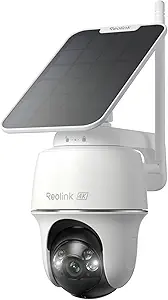
#1Reolink Argus PT Ultra 4K Solar Camera
Overview
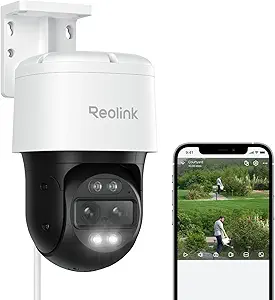
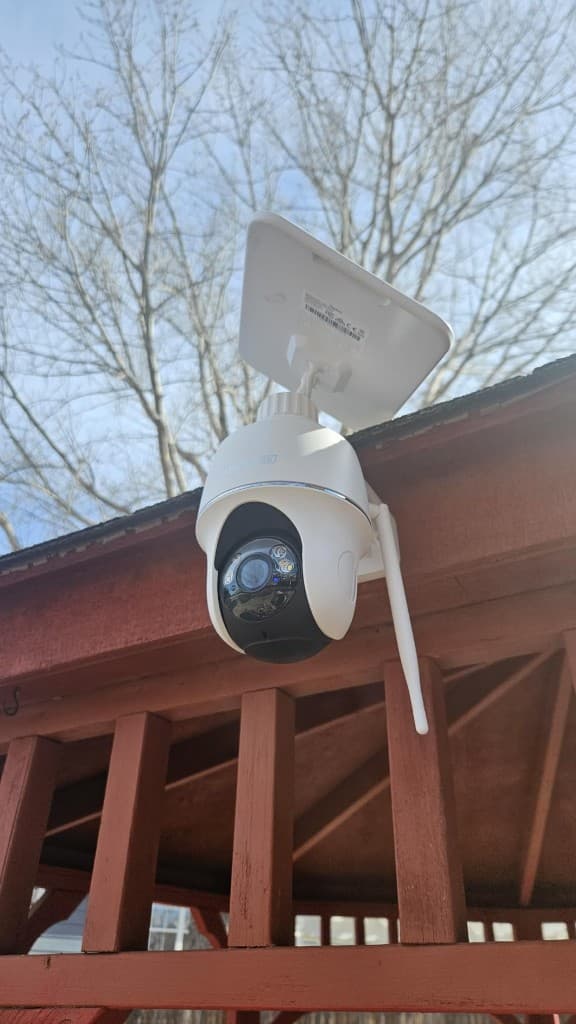
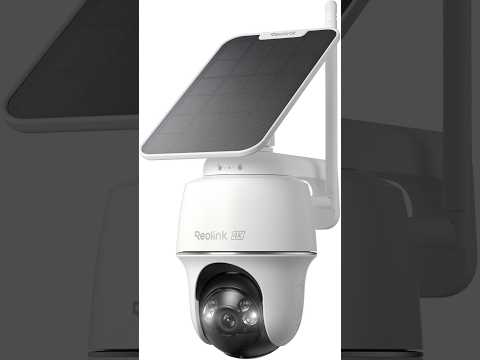
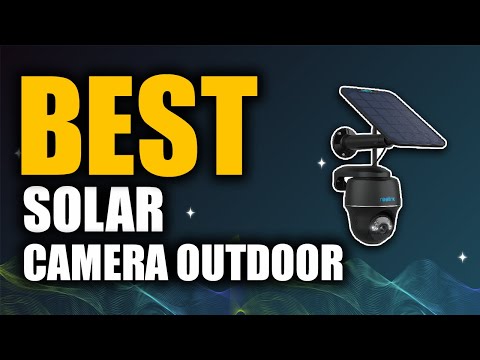
The Reolink Argus PT Ultra is not just another outdoor cam that sits still and hopes something walks through the frame. It pairs 4K detail with solar-plus-battery freedom and a motorized pan-tilt head that actually follows people across a yard. That mix is why it sits at the top of our GearsClaw Best Overall pick for home security in 2026: one mount can cover a driveway, side gate, and porch approach without fishing Ethernet or AC through siding.
If you want wire-free outdoor coverage and refuse to pay a monthly fee just to keep basic recording and alerts, this is the camera we kept coming back to after side-by-side nights with fixed and wired rivals.
What We Like
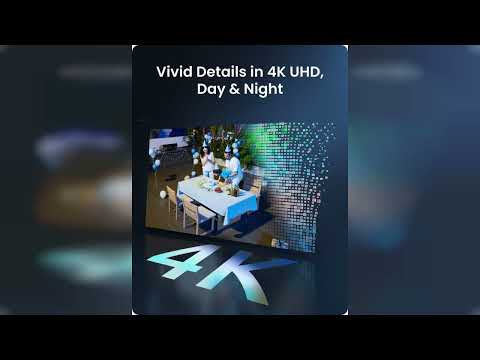
- +4K 8MP Day and Night Detail: Faces, package labels, and plate characters stayed readable farther out than most 2K wireless cams we ran beside it.
- +Real Pan-Tilt Coverage: 355° pan and 140° tilt plus auto-tracking kept walkers in frame instead of clipping them at the edge of a fixed shot.
- +True Wire-Free Power: Solar panel plus onboard battery meant we never ran power cable for the main install.
- +Color Night With Spotlight Assist: Motion-triggered light made night clips useful in color when IR-only footage would have turned into gray blobs.
- +No Subscription Required: Local microSD recording and push alerts worked without a paid cloud plan.
- +Wi-Fi 6 Dual-Band Link: 2.4/5 GHz Wi-Fi 6 held live 4K viewing more steadily at longer ranges than older 2.4-only battery cams.
What We Don't Like
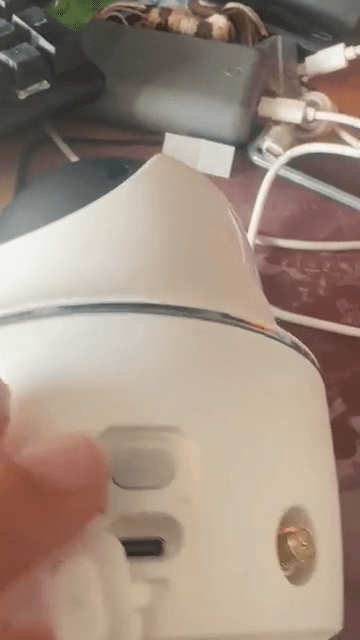
- ×Sun Exposure Still Matters: Deep shade drains the battery faster; you may need to reposition the panel or top up by USB-C after long cloudy stretches.
- ×Moving Parts: Pan-tilt motors add complexity and a bit of audible motion compared with a sealed fixed bullet.
- ×Card Not Included: Local recording needs a microSD card (sold separately), and heavy 4K event volume can fill smaller cards quickly.
Image Quality, Night Vision & Coverage
Daylight 4K is where the Argus PT Ultra first pulls away. Digital zoom on a parked car or porch package still left usable detail, which is exactly why resolution matters outdoors: you are often identifying something far from the mount, not sitting three feet from a desk cam.
At night, the combination of IR, color night, and a motion spotlight is the practical advantage. Pure IR is fine for knowing someone is there; color-plus-spotlight is better when you need clothing color, a logo, or a face. Auto-tracking is the second half of that story. Fixed cameras force you to aim for the most likely path and hope. Here, when a person crossed the yard, the head followed instead of losing them at the edge of the FOV.
The sweep is wide enough that one well-placed camera can replace two fixed units on many mid-size yards. Corners still need thought: a tree trunk or eave can block PIR and lens alike, so mount height and clear sight lines matter more than any marketing FOV number.
Power, Connectivity & Local Storage
Wire-free only works if power and Wi-Fi both behave. The detachable solar panel is the long-term answer: aim it for real daylight, not decorative shade, and the battery stays topped up through normal motion events. In our shaded test spot, drain climbed and we had to move the panel; in a sunny fence line it held through several cloudy days without drama.
Dual-band Wi-Fi 6 is not a buzzword here. Pushing 4K live view over a weak 2.4 GHz link is how battery cams get a reputation for buffering. Being able to use 5 GHz when the router is close enough, or fall back to 2.4 GHz for distance, made placement more forgiving.
Storage stays under your control. Event clips write to microSD without a required cloud fee, and Home Hub compatibility gives a path to expand later if you grow the system. Optional cloud exists if you want off-site backup; treat it as extra, not a tollbooth for basic security.
Smart Alerts, App Control & Day-to-Day Use
Person, vehicle, and pet detection cut a lot of tree-and-shadow spam when sensitivity is dialed in. You will still tune zones and schedules once; that is normal for any outdoor PIR camera. Two-way audio is clear enough for a delivery check or a quick warning, and the app pan-tilt controls responded quickly enough for live package watches.
Setup is mostly mechanical: mount the bracket, join Wi-Fi, aim the panel, insert a card, and set detection types. The first week is about fine-tuning activity zones and night mode preference, not fighting cables through walls.
Key Specs at a Glance
- Resolution: 4K 8MP (3840 × 2160)
- Pan / Tilt: 355° pan, 140° tilt with auto-tracking
- Night Vision: Color night + IR + motion spotlight
- Power: Rechargeable battery with detachable solar panel; USB-C backup charge
- Connectivity: Dual-band Wi-Fi 6 (2.4 / 5 GHz)
- Weather Rating: IP65 outdoor
- Storage: Local microSD (card sold separately); Home Hub compatible; optional cloud
- Subscription: Not required for core recording and alerts
- Audio: Two-way talk
Who Is the Argus PT Ultra Best For?
This is the pick when one outdoor camera needs to do the work of a small multi-cam setup without a monthly fee.
- You want driveway or yard coverage without running power or Ethernet.
- You care about readable 4K detail and color night clips, not just motion blobs.
- You prefer pan-tilt auto-tracking over buying a second fixed camera for the same area.
- You can give the solar panel a few hours of real sun most days.
- You want local storage first, with cloud as an optional backup.
Bottom Line
Plenty of outdoor cameras do one thing well. The Argus PT Ultra earns Best Overall because it stacks the hard parts together: 4K, solar freedom, wide pan-tilt coverage, usable night color, and subscription-free local recording. If your mount sits in deep shade all year, look at PoE instead. For most yards and driveways, this is the outdoor camera we would install first.
User Experience
Real-world clips from owners and testers showing how this model performs in everyday use.
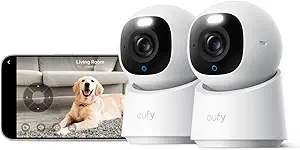
#2Eufy Security 4K Indoor Camera E30
Overview
Indoors, the job is different: you need sharp room detail, smart filters that ignore TV flicker and curtain sway, and a camera that can follow a pet or toddler without you babysitting the app. The eufy Indoor Cam E30 is built for that job. It brings true 4K UHD, pan-tilt coverage, on-device AI for people, pets, and sound cues, and local storage that does not demand a monthly fee.
That is why it is our Best Value pick on this list. You are not paying outdoor-camera money for weatherproofing you will never use; you are paying for the resolution and tracking that matter inside living rooms, nurseries, and hallways.
What We Like
- +True 4K Indoor Detail: Zooming a clip still showed faces and pet tags clearly, which 1080p indoor cams often cannot match.
- +AI That Actually Helps: Person, pet, audio, and cry detection cut junk alerts compared with plain motion triggers.
- +Auto-Tracking Pan-Tilt: The camera follows people and pets across the room instead of losing them at the edge of a fixed view.
- +Local Storage Options: microSD onboard, or expand through HomeBase 3 if you already live in the eufy ecosystem.
- +No Required Subscription: Core recording, alerts, and tracking work without a paid cloud plan.
- +Smart-Home Hooks: Works with Alexa, Google Assistant, and Apple HomeKit (HomeKit streams at up to 1080p).
What We Don't Like
- ×Indoor Only: Not weather-rated for an uncovered porch or yard mount.
- ×Cord Management: Plug-in power is reliable, but you still need an outlet and a tidy cable path.
- ×HomeBase Costs Extra: Onboard microSD is enough for many homes; full HomeBase 3 storage and AI upgrades add budget if you do not already own one.
- ×HomeKit Resolution Cap: Apple Home viewing tops out at 1080p even though the camera itself records in 4K.
Image Quality, Tracking & Alerts
4K is the headline, and it shows up when you scrub a clip after something happens. A pet darting behind a sofa or a package left inside an entryway stays identifiable. Color night with IR backup covers lights-off evenings without turning the whole room into a mystery.
Auto-tracking is the daily convenience feature. When a dog or child moves through the space, the head pans instead of forcing you to open the app and steer. On-device AI for humans, pets, crying, and other audio cues is what keeps notifications useful. You still tune sensitivity once; after that, the alert stream felt far cleaner than older motion-only indoor cams.
Two-way audio is clear enough for check-ins with family or a quick talk-to-the-dog moment. Privacy mode (lens cover behavior in the eufy app) is worth enabling in bedrooms when the camera is not actively monitoring.
Storage, Power & Ecosystem Fit
Plug-in power is boring in the best way: no solar angles, no winter battery anxiety. Place it on a shelf or mount with a clear room view and you are mostly done.
For storage, start with a microSD card for 24/7 or event recording. If you already use HomeBase 3, linking the E30 unlocks larger local capacity and stronger ecosystem AI. Cloud remains optional. That ladder is the eufy pitch in practice: buy the camera, keep footage at home, expand only if you need to.
Smart-home support is broad. Alexa and Google are straightforward for live view on displays. HomeKit works, with the usual resolution limit. If Apple Home is your whole world, know that trade-off before you buy; if you live in the eufy app day to day, you keep the full 4K experience.
Ease of Use & Maintenance
Setup is short: power, Wi-Fi, app pairing, optional card, detection toggles. Day-to-day care is mostly wiping the lens and checking that the cord has not been yanked by a curious pet. There is no outdoor gasket to reseal and no solar panel to re-aim after a storm.
The app is where you live: tracking on/off, activity zones, recording mode, and privacy controls. Once those are set, the camera is the kind of device you forget until an alert actually matters.
Key Specs at a Glance
- Resolution: 4K UHD
- Coverage: Pan-tilt with ~125° diagonal FOV; 360° room sweep via motorized head
- Night Vision: Color night + IR
- AI Detection: Human, pet, audio, crying; auto-track for human and pet
- Power: Plug-in (USB power)
- Storage: microSD local (sold separately); HomeBase 3 compatible; optional cloud
- Subscription: Not required for core features
- Smart Home: Alexa, Google Assistant, Apple HomeKit (up to 1080p in HomeKit)
- Audio: Two-way talk
Who Is the Indoor Cam E30 Best For?
Choose the E30 when the camera lives inside and you care more about sharp video and smart tracking than outdoor weather seals.
- Pet owners and parents who want the camera to follow motion across a room.
- Apartment or house shoppers who need 4K indoor detail without a monthly fee.
- People already in (or open to) the eufy / HomeBase ecosystem.
- Anyone who can place a camera near an outlet with a clear room view.
- Buyers who want Alexa, Google, or HomeKit hooks without giving up local storage.
Bottom Line
The Indoor Cam E30 wins Best Value because it spends the budget where indoor cameras actually fail: resolution, tracking, and alert quality. It will not replace an outdoor solar PTZ, and it will not free you from finding an outlet. For living rooms, nurseries, and pet cams, it is the indoor pick we recommend first on this list.
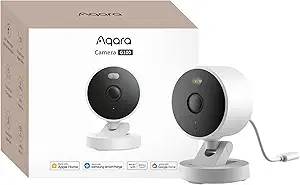
#3Aqara G100, 2K Indoor/Outdoor Security Camera
Overview
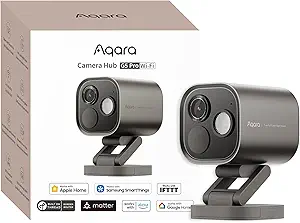
Not every home needs a motorized outdoor PTZ. Plenty of spots just need a sharp, weather-ready camera aimed at a door, patio, or hallway that also plays nicely with the rest of the smart home. The Aqara Camera G100 is built for that middle ground: 2K video, IP65 weather sealing, dual night-vision modes, and strong Apple Home / Alexa / Google hooks without forcing a subscription for basic local recording.
It is our Editor's Choice when ecosystem fit and flexible indoor-or-covered-outdoor placement matter more than full pan-tilt sweep or raw 4K outdoor zoom.
What We Like
- +Indoor or Outdoor Flexibility: IP65 sealing lets one model cover a room, eave, or covered porch without buying two different cameras.
- +Dual Night Modes: Switch between discreet IR black-and-white and spotlight color night depending on whether you want stealth or detail.
- +Wide Fixed View: Roughly 140° diagonal coverage from a compact body; aim once for a doorway or patio and leave it.
- +Local-First Storage: microSD recording plus NAS / RTSP options keep footage under your control.
- +Smart-Home Friendly: Works with Aqara Home, Apple Home, Google Home, Alexa, and SmartThings-style setups.
- +Simple Plug-In Power: No battery winters or solar aiming for the main install.
What We Don't Like
- ×No Motorized Pan-Tilt: Coverage depends on where you aim the mount; it will not chase someone across a wide yard.
- ×2K, Not 4K: Fine for most doorway and patio IDs, but it trails 8MP rivals if you need heavy digital zoom.
- ×Needs an Outlet: Cable reach and outdoor-rated power placement still matter for weather installs.
- ×2.4 GHz Wi-Fi Focus: Fine for most homes, but you do not get the same 5 GHz flexibility as some dual-band flagships.
Image Quality, Night Modes & Placement
2K (2304 × 1296) is enough for the jobs this camera is best at: a front entry, side door, balcony, or indoor corner where the subject is not a football field away. The wide diagonal FOV helps a fixed lens feel less narrow than older 1080p cubes.
Night vision is the G100's quiet strength. IR mode keeps the porch dark and discreet. Spotlight color mode lights the scene when you need clothing color or a clearer face within the effective fill range. Those modes are separate, so you pick the behavior that matches the spot instead of living with one compromised default.
Because there is no motorized head, placement is the whole game. Mount under an eave with a clear sight line to the approach path. For a wide open yard that needs tracking, the Argus PT Ultra is the better tool; for a fixed choke point, the G100's simplicity is the point.
Storage, Privacy & Smart Home Integration
Local microSD recording covers continuous or event capture without a required plan. NAS and RTSP support matter if you already run a home server or NVR-style workflow. Cloud options exist for people who want off-site backup; again, optional.
Where the G100 pulls ahead of many standalone Wi-Fi cams is ecosystem fit. Apple Home users get a cleaner path into the Home app. Aqara households can keep cameras and sensors in one mental model. Alexa and Google cover display and voice live view for everyone else.
Human and motion detection are available in the Aqara app workflow. Expect to spend a few minutes on zones and sensitivity the first week, same as any outdoor-capable cam near a busy sidewalk.
Ease of Use & Maintenance
Install is mostly: mount, power, join Wi-Fi, set night mode preference, insert a card if you want local 24/7. There is no pan-tilt calibration to babysit and no solar panel to re-aim after storms. Wipe the lens after rain or pollen season and check that the cable drip loop still sheds water away from the housing.
Day to day it behaves like a set-and-forget fixed camera, which is exactly why it earns a spot beside louder PTZ flagships.
Key Specs at a Glance
- Resolution: 2K (2304 × 1296)
- Field of View: About 140° diagonal
- Night Vision: IR black-and-white or spotlight color (modes are separate)
- Weather Rating: IP65 indoor / outdoor
- Power: Plug-in (5V)
- Connectivity: 2.4 GHz Wi-Fi 6; Bluetooth for setup
- Storage: microSD (sold separately, up to 512GB class support); NAS / RTSP; optional cloud
- Subscription: Not required for core local monitoring
- Smart Home: Aqara Home, Apple Home, Google Home, Alexa, SmartThings
Who Is the Aqara G100 Best For?
Buy the G100 when you want one tidy camera for a fixed view that can live inside or under cover outdoors, especially if you already care about Apple Home or Aqara gear.
- Doorways, patios, balconies, and hallways where a fixed aim is enough.
- Homes that want IP65 flexibility without committing to a full PoE NVR.
- Apple Home or Aqara users who value app and automation fit.
- Shoppers who prefer plug-in reliability over battery or solar maintenance.
- Buyers who can skip motorized tracking to save complexity and focus on a clean fixed shot.
Bottom Line
The G100 is not trying to beat the Argus PT Ultra at yard-wide auto-tracking, and it should not. It wins Editor's Choice by being the sensible indoor/outdoor fixed camera: weather-ready, night-mode flexible, local-storage friendly, and smart-home aware. Aim it well at the spot you care about, and it stays out of the way while still giving you clips you can actually use.