Hair Removal
Ulike Hair Removal Buying Guide: What to Expect in 2026
By Sofia Almeida | Published May 14, 2026 | Updated May 17, 2026
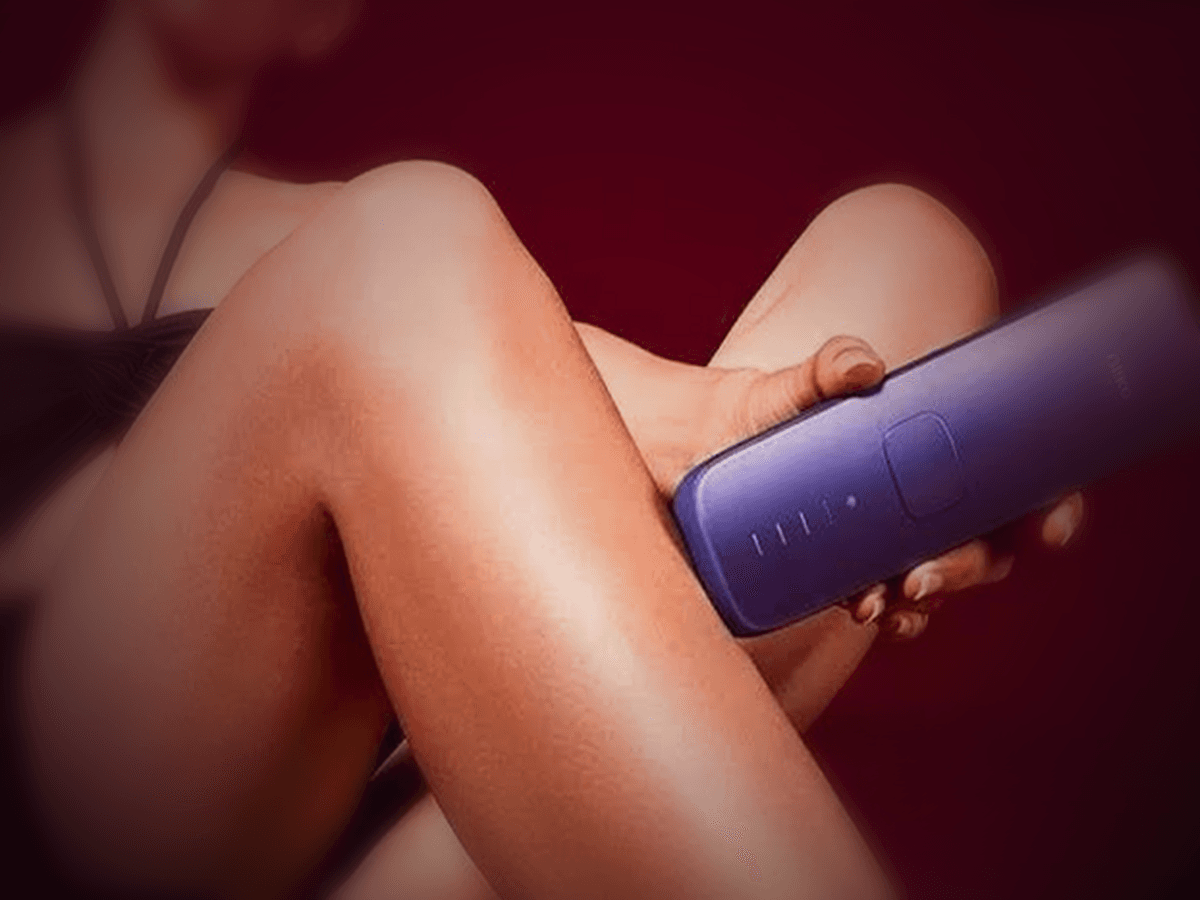
Ulike sits in a part of the beauty-tech market that gets overhyped fast. Ads promise smooth skin, pain-free sessions, and near-instant freedom from shaving. Real ownership is less dramatic. At-home IPL can work well for the right user, but it works as a routine, not a miracle. If you are reading this after a Ulike Air 10 Review, keep your expectations anchored to consistency, skin compatibility, and whether you will really stick to the schedule.
This guide is built for buyers who want the honest version before spending money. We cover how Ulike-style IPL works, who tends to get the best results, where results are usually uneven, what long-term users actually report, and when a clinic laser plan is the smarter move. The goal is simple: help you decide whether a Ulike device fits your skin, hair, budget, and patience.
Key takeaways
- At-home IPL is best understood as long-term hair reduction, not guaranteed permanent hair removal.
- The best candidates usually have dark hair and light to medium skin, though you must follow each device's official skin-tone guidance.
- Consistency matters more than hype. Missed sessions slow results more than most buyers expect.
- Cooling comfort is one of Ulike's strongest selling points, but comfort does not replace proper skin prep or safety checks.
- If your hair is very light, your skin tone falls outside the supported range, or you have a complex skin history, a dermatologist or laser clinic may be a better first stop.
Why buyers keep looking at Ulike
Ulike has become popular for one practical reason: it packages at-home IPL in a format that feels less intimidating than older home devices. Buyers are usually not shopping for a science project. They want fewer shaving sessions, less ingrown irritation, and a routine they can keep up with at home.
That is where Ulike makes its case. The brand leans hard on cooling, ease of use, and a more premium feel than many low-cost marketplace devices. Those points matter because adherence is half the battle with at-home IPL. If a device feels harsh, messy, or slow, many owners quietly stop using it before the treatment cycle has a fair chance to work.
Still, brand polish is not the same as treatment success. A good buying decision depends less on flashy claims and more on whether the device matches your hair color, skin tone, treatment goals, and willingness to stay on schedule for weeks and then months.
How at-home IPL actually works
IPL stands for intense pulsed light. In simple terms, the device sends broad-spectrum light into the skin, where pigment in the hair absorbs that energy. Over repeated sessions, follicles can produce slower, finer, and less dense regrowth.
That mechanism explains both the promise and the limit. IPL works best when there is enough contrast between the hair and the surrounding skin for the light to target pigment efficiently. It also explains why gray, white, red, and very light blonde hair often respond poorly. There is less pigment for the light to target.
It is also important to separate IPL from clinic laser hair removal. They are related, but not identical. Professional laser systems are typically stronger, more targeted, and used under clinical supervision. Home IPL can still be effective, but the tradeoff is slower progress and a stronger need for consistency.
- IPL reduces regrowth over time rather than clearing all hair after one session.
- Hair and skin contrast strongly affects both safety and expected results.
- Professional laser treatment may deliver faster progress, but usually at a higher cost.
Who is a good candidate and who should think twice
The strongest Ulike candidates usually have dark brown or black hair on light to medium skin. That is the classic profile for home IPL because the device can more easily distinguish the pigment in the hair from the surrounding skin. Even then, the safe answer is to follow the specific skin-tone chart and lockout rules for the exact device you are considering.
Buyers should slow down if they have very dark skin, very light body hair, active eczema, broken skin, recent sunburn, or a history of strong reactions to light-based treatments. The same caution applies if you use photosensitizing medications, have a pigment disorder, or are unsure whether a specific body area is safe to treat.
Pregnancy, breastfeeding questions, facial treatment plans, and treatment near tattoos or raised moles are all good examples of situations where consumer marketing is not enough. This is where professional advice matters. If you are not clearly inside the safe-use profile, talk to a dermatologist before buying or before your first session.
What real results usually look like
The biggest gap between marketing and lived experience is timing. Most successful owners do not describe a dramatic overnight change. They describe slower regrowth first. Hair comes back patchier. Stubble feels softer. Shaving intervals stretch. That is a real win, but it is different from the fantasy of instant smoothness.
Body area matters too. Legs may respond differently from underarms. Underarms may respond differently from bikini lines. Hormone-sensitive areas can stay stubborn even when other zones improve clearly. This is one reason buyers should judge IPL by a few months of disciplined use, not by a single early session.
A realistic standard is long-term reduction in how often you need to shave or manage regrowth. If your expectation is permanent zero-maintenance hair removal everywhere, you are setting the device up to disappoint you. If your goal is less frequent maintenance and a cleaner weekly routine, the product category makes more sense.
Consistency is the real performance feature
Long-term user reports often point to the same lesson: schedule discipline matters more than advertising language. Buyers love to compare flash counts, window sizes, and cooling claims, but many disappointing outcomes come from inconsistent use rather than bad hardware.
That is why treatment plans matter. Most home IPL devices ask for a front-loaded phase with regular sessions in the first weeks, then a maintenance phase after visible reduction begins. Skip too often, and the progress curve gets noisy. You may still see some benefit, but it tends to come slower and with more uneven regrowth.
Practical buyers should ask themselves one blunt question before ordering: will I actually keep up with this? If the answer is no, the most advanced home device on the market will not save the purchase. IPL rewards routine users, not optimistic impulse buyers.
- Shave before each session so the light can target the follicle more effectively.
- Photograph progress monthly in similar lighting instead of checking every day.
- Judge results by reduced regrowth and less shaving, not by one-session smoothness.
Cooling and comfort: where Ulike has a real advantage
One reason Ulike stands out in buyer discussions is comfort. Cooling does not make IPL risk-free, but it can make the routine much easier to tolerate. That matters because comfort affects adherence. A device you dread using is a device you will probably abandon halfway through the cycle.
Comfort also changes how buyers use energy settings. When sessions feel less sharp or hot, people are more likely to stay consistent and complete full treatments instead of rushing through them. That said, cooling should not tempt you to ignore the rules. Comfort is not proof that a setting is appropriate for your skin or that an unsupported area is suddenly safe.
Sensitive zones remain sensitive. Bikini lines, ankles, and areas with denser hair often feel different from flatter, easier zones such as parts of the legs. The best expectation is not pain-free perfection. It is manageable discomfort within the device's normal guidance.
How to compare Ulike models without getting lost in marketing
If you are choosing among Ulike devices, start with the basics instead of the slogans. Look at the supported skin-tone range, treatment window size, pulse speed, auto-glide or manual modes, cooling design, and warranty support. Those factors shape day-to-day ownership more than vague claims about salon-level performance.
For shoppers specifically looking at Ulike Air 10, the right question is not just whether it is newer. The better question is whether its comfort, session speed, and overall handling solve a real problem in your routine. If you treat large areas such as full legs and want a device that feels easier to stick with over many weeks, Air 10 is the kind of model that deserves attention. If you only treat a few small zones and do not care about faster full-body sessions, a premium model can be harder to justify.
Window size matters because it changes how long a full-body routine takes. A larger treatment window helps on legs and arms. A more precise approach helps small zones, curves, and awkward edges. Pulse speed matters for patience. Slow devices can be effective, but they wear people down over time.
Buyers should also care about the unglamorous details: authorized seller status, return policy, replacement support, and whether the product has sensible safety lockouts. If a bargain listing looks too good to be true, it probably is. With light-based devices, authenticity and support matter more than a coupon that disappears after checkout.
- Check the official skin-tone compatibility chart first.
- Compare treatment window size to the body areas you care about most.
- Treat cooling as a comfort feature, not a promise of stronger results.
- Prefer authorized channels with clear warranty and return terms.
Safety, prep, and aftercare buyers should not skip
The safest IPL session is the boring one. Shave first. Work on clean, dry skin. Avoid deodorants, heavy oils, self-tanner, and random topical products unless the manufacturer explicitly says they are fine. Patch-test before your first full session or before raising intensity.
Do not treat tattoos, open wounds, active irritation, or raised pigmented spots. Do not assume that because a device is sold for home use, it is safe for every body zone. Facial use, intimate-area treatment, and darker skin tones all demand closer attention to the manual and, in some cases, a clinician's opinion.
After treatment, keep things simple. Avoid aggressive exfoliation right away, watch for unusual redness, and protect recently treated skin from excessive sun exposure. If you see blistering, severe pain, or lasting pigment changes, stop using the device and get medical advice.
What longer-term owners tend to report
Long-form owner feedback is useful because it cuts through the honeymoon phase. The most credible reports usually sound measured. Users often say the device works, but not evenly and not magically. They mention areas that improved fast, areas that lagged, and the ongoing need for touch-up sessions.
Another common theme is that product performance and brand trust are not always the same thing. Some owners are skeptical about aggressive marketing, discount tactics, or inflated promises, while still saying the device helped reduce regrowth when they used it consistently. That is a useful mindset for buyers: separate the company's sales style from the core question of whether the treatment method fits you.
The healthiest expectation is not 'Will this change my life in two weeks?' It is 'Will this reduce the time and friction in my grooming routine over the next six to twelve months?' That framing leads to better buying decisions and less post-purchase disappointment.
When clinic laser hair removal is the better option
Home IPL is not the best answer for every buyer. If your skin and hair profile sits near the edge of what consumer devices support, if you want faster progress, or if you have a medical skin history that makes self-treatment stressful, a clinic consult may be the better path.
Professional laser treatment can cost more up front, but it buys you stronger equipment, professional assessment, and a clearer escalation path if your skin reacts poorly. For buyers dealing with dense coarse hair, stubborn hormonal areas, or repeated uncertainty about safety, that extra structure can be worth the money.
In other words, Ulike is strongest when you are a good candidate, want a home routine, and are realistic about maintenance. It is weaker when you need clinical certainty more than consumer convenience.
Final verdict: who should buy Ulike
Ulike makes the most sense for disciplined buyers who want long-term hair reduction at home and who fit the supported skin-hair profile. Its comfort story is appealing for a reason. A more tolerable device is easier to keep using, and consistent use is where real results come from.
Do not buy it expecting effortless permanent removal. Buy it if you want fewer shaving sessions, slower regrowth, and a more manageable grooming routine over time. If you stay grounded on that point, Ulike can be a smart purchase. If your needs fall outside the normal home IPL sweet spot, move up to professional advice before you spend.
Frequently Asked Questions
Does Ulike permanently remove hair?▾
At-home IPL is better described as long-term hair reduction. Many users see slower, finer, and less frequent regrowth, but maintenance sessions are usually still part of the reality.
How long does it take to see results with Ulike?▾
Most buyers should expect visible change after several consistent weeks, not after one or two sessions. Early improvement often shows up as patchier regrowth and longer gaps between shaving.
Who should not use a Ulike IPL device?▾
People outside the supported skin-tone range, those with very light hair, active skin irritation, photosensitivity concerns, or uncertainty about medication interactions should pause and review the official guidance or talk to a dermatologist first.
Is Ulike better than waxing or shaving?▾
It solves a different problem. Shaving is fast but frequent. Waxing removes hair from the root but can be painful and messy. Ulike-style IPL aims to reduce how often you need either one over the long run.
Can I use Ulike on bikini lines or the face?▾
Only use it on body areas the specific device manual allows. Buyers should not assume that every model supports every sensitive area, especially on the face or near intimate zones.
Does cooling mean the treatment is stronger or safer?▾
Not automatically. Cooling mainly improves comfort. That can help you stay consistent, but it does not replace skin-tone rules, patch testing, or the device's contraindications.
Is Ulike Air 10 worth buying?▾
Ulike Air 10 makes the most sense for buyers who want a more comfortable, easier-to-maintain home IPL routine and expect to treat larger areas regularly. It is less compelling if you only need occasional touch-ups on small zones or if your skin-hair profile is not a strong fit for IPL in the first place.
How do I know whether I should choose clinic laser instead?▾
Choose professional care when your skin-hair profile is borderline, your goals are more aggressive, or you want clinical guidance because of medical history, stubborn areas, or safety concerns.