Wearables
Smart Rings for Health and Fitness in 2026
By Priya Nair | Published May 29, 2026 | Updated May 31, 2026
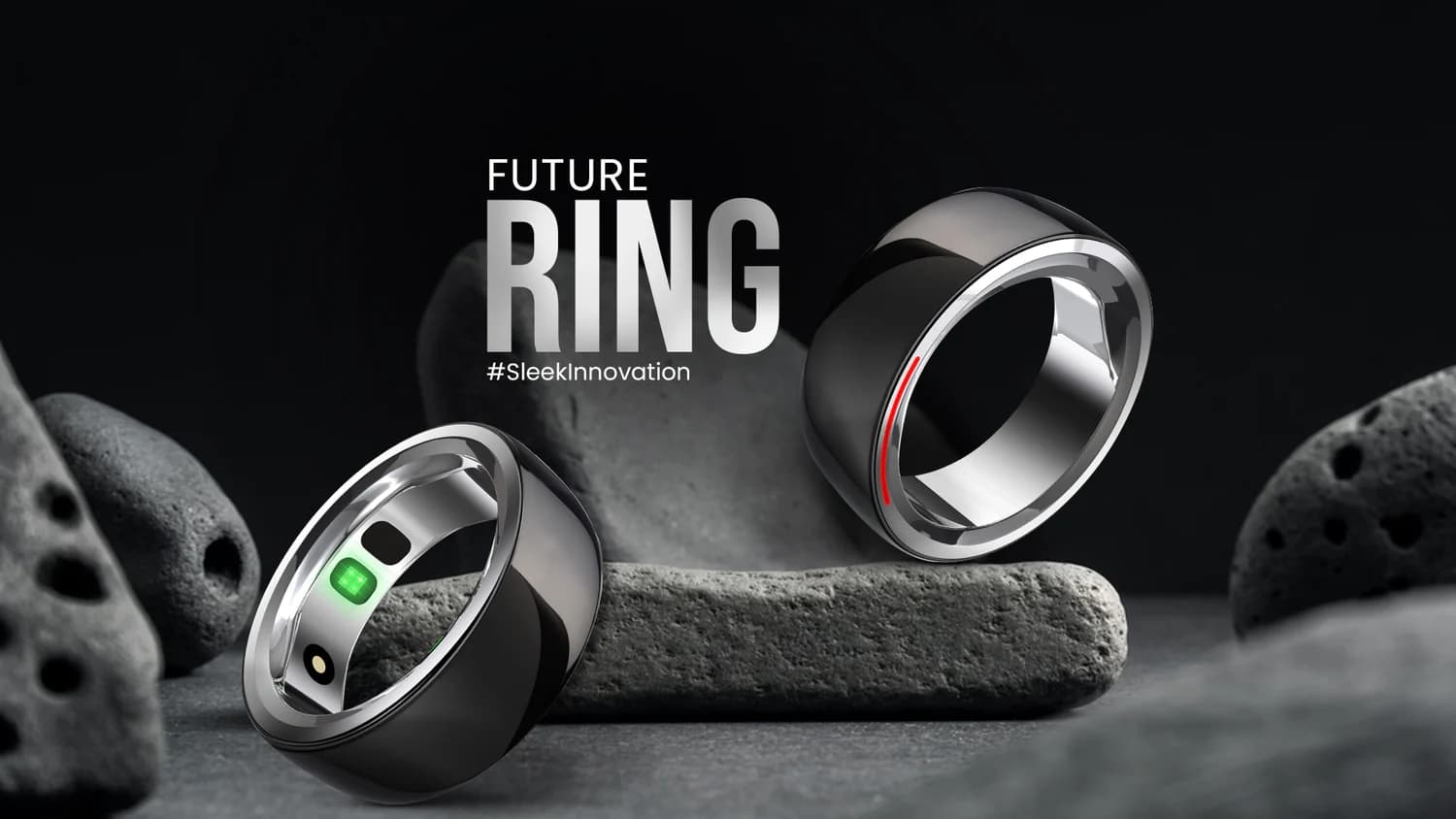
Smart rings are no longer niche gadgets. In 2026, they are serious tools for sleep, recovery, and low-friction health tracking. If you are weighing the category after a RingConn Gen 2 Air Review, use that interest to compare comfort, app quality, and long-term signal quality across the field.
A ring can work better than a watch when you care most about overnight wear, comfort, and discreet data collection. But the wrong fit, weak battery life, or vague privacy policy can ruin the experience. This guide shows what matters before you buy.
Key takeaways
- Smart rings are best for sleep, recovery, and passive daily tracking.
- Fit matters more than most buyers expect. A bad fit hurts both comfort and accuracy.
- Battery life should cover several full nights so you never have to charge during sleep.
- Privacy matters because biometric data is personal and sensitive.
- Buy a ring for recovery trends. Buy a watch for GPS, training screens, and live workout controls.
What smart rings measure in 2026
Most smart rings focus on sleep, resting heart rate, heart-rate variability, skin temperature trends, and daily movement. Some also add SpO2 checks, cycle insights, readiness scores, or automatic workout detection.
The real value is not a single number. It is the trend. If your resting heart rate rises, your HRV falls, or your sleep gets shorter for several nights in a row, that signal matters more than any one perfect-looking dashboard.
- Sleep length, stages, and interruptions
- Resting heart rate and HRV trends
- Temperature deviation and recovery signals
- Movement, readiness, and daily summaries
Fit and sizing decide whether the ring works

A loose ring moves too much and can hurt sensor quality. A tight ring becomes annoying and often gets left on the charger. Both problems lead to bad data.
Size your finger later in the day when it is a little larger. If the brand offers a sizing kit, use it. Swelling from heat, travel, workouts, or sleep can change how a ring feels from one day to the next.
Comfort beats convention. Many brands suggest the index or middle finger, but the best finger is the one you will actually wear every night.
Battery life matters because nights matter most
Most strong smart rings in 2026 promise multi-day battery life. That is important because overnight sleep data is usually the main reason people buy one.
If you have to charge every night, the product is fighting its own purpose. Aim for a ring that can cover several full nights on one charge, then build a daytime charging habit around a shower, commute, or desk block.
Charging habits and data gaps
A smart ring works best when wear becomes automatic. Charge during the day, not at bedtime. That keeps the sleep dataset clean and helps the ring feel invisible in daily life.
Also check how the app handles missing time. Good apps show gaps clearly. Weak ones hide gaps behind vague estimates, which makes trends harder to trust.
Privacy and data control
Biometric data is personal. Before you buy, check how the company stores heart-rate and sleep history, whether it uses data for ads or model training, and how easy it is to export or delete your account.
Good signs include clear retention rules, strong authentication, and sensible sharing defaults. If a policy feels slippery, treat that as a product weakness, not a legal footnote.
- Read the privacy policy before checkout
- Check data export and account deletion options
- Enable multi-factor authentication in the app
- Limit third-party integrations to tools you really use
Smart ring vs smartwatch
Buy a smart ring when you want sleep and recovery tracking with less visual and physical bulk. Rings are also easier to wear in formal settings or in jobs where a large watch feels intrusive.
Buy a watch when you need GPS routes, live workout metrics, music controls, maps, or coaching prompts on your wrist. A ring is not a replacement for a serious training watch if those features drive your routine.
Some people use both. The ring handles sleep and readiness. The watch handles training and navigation. If you only want one device, choose the one you will wear consistently for the next year.
Who should buy a smart ring in 2026
Smart rings make the most sense for people focused on sleep, recovery, stress awareness, or long-term health habits. They also fit buyers who want data without wearing a bright sports watch all day.
You may want to wait if rings are impractical for your work, if gloves or heavy gripping are constant, or if you need clinical-grade monitoring. A ring can support better habits, but it cannot create them for you.
If you are still comparing products, our best smart rings for 2026 roundup is a good next step.
Buyer's checklist
Use this list before checkout so you do not end up with the usual regrets: wrong size, weak battery life, or fuzzy privacy terms.
- You checked your finger size with a kit or careful measurement
- Battery life covers several full nights between charges
- The app reports sleep, heart rate, and recovery clearly
- Privacy controls and account deletion are easy to find
- You have a wear plan you can keep for at least 30 nights
Final recommendation
The best smart ring is the one you forget you are wearing but still trust when the app shows a change in your recovery, sleep, or stress pattern.
If you want quiet, continuous health tracking, a smart ring can be a better fit than a watch. If you need live workout tools, GPS, and sport controls, a watch still does more.
Frequently Asked Questions
What is the best finger for a smart ring?▾
The best finger is the one that stays comfortable day and night. Many people use the index or middle finger, but stable fit matters more than tradition.
Are smart rings accurate for sleep tracking?▾
They are useful for personal trends when worn consistently. They are not a clinical sleep lab, but they can be very helpful for habit feedback and recovery tracking.
How long should a smart ring battery last?▾
Aim for several days per charge so you do not need to charge overnight. Daytime charging keeps sleep data intact.
Can I wear a smart ring during workouts?▾
Many people do, but lifting, gripping sports, or gloves can make a ring less practical. Some users switch fingers or rely on a watch for certain sessions.
Is my health data safe in a smart ring app?▾
That depends on the company. Review encryption, sharing defaults, retention rules, and deletion rights before you sync sensitive biometrics.
Should I buy a smart ring or a smartwatch in 2026?▾
Buy a ring for sleep, recovery, and discreet all-day wear. Buy a watch for GPS, live workout screens, and training controls. Some buyers use both.