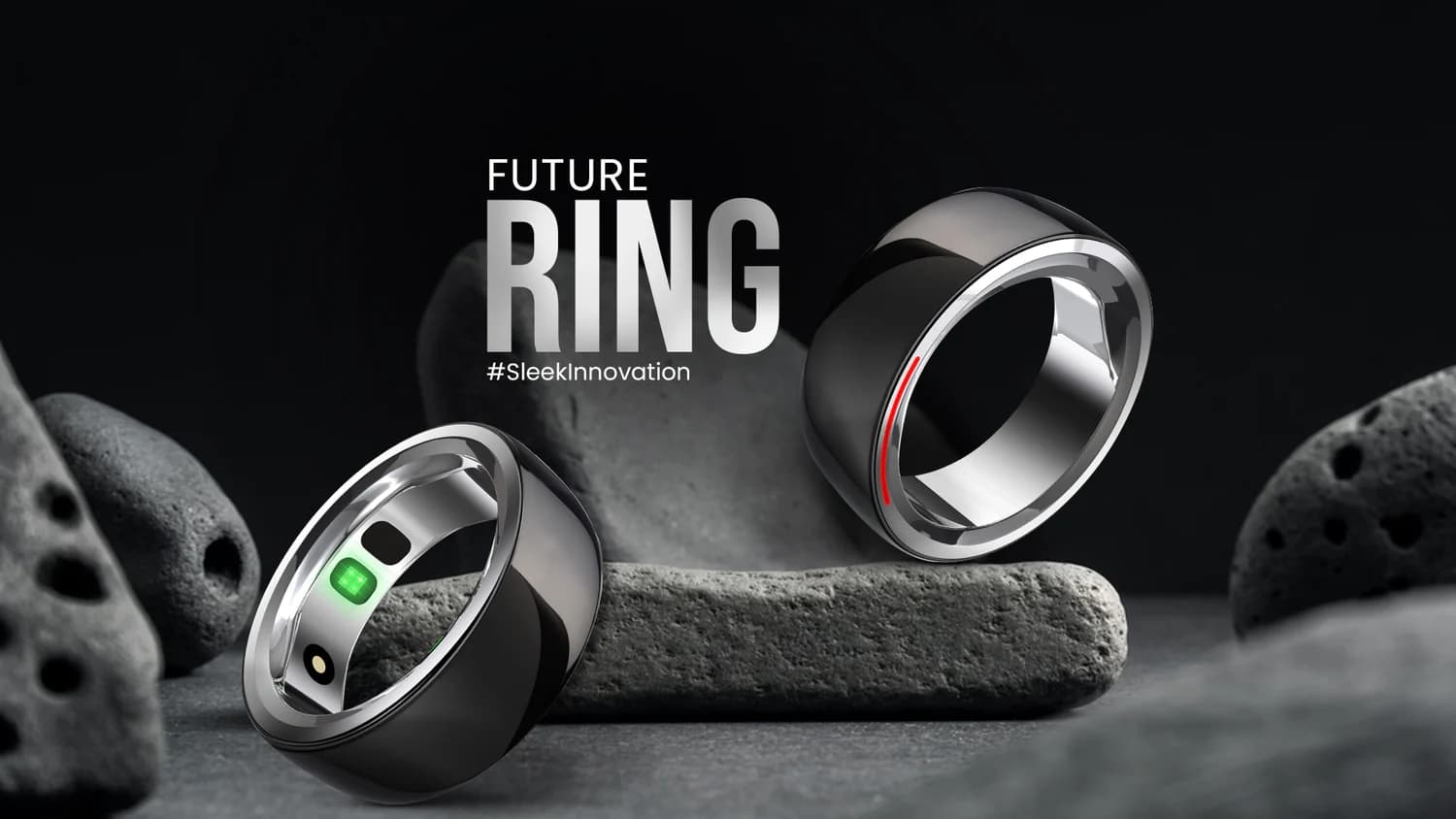
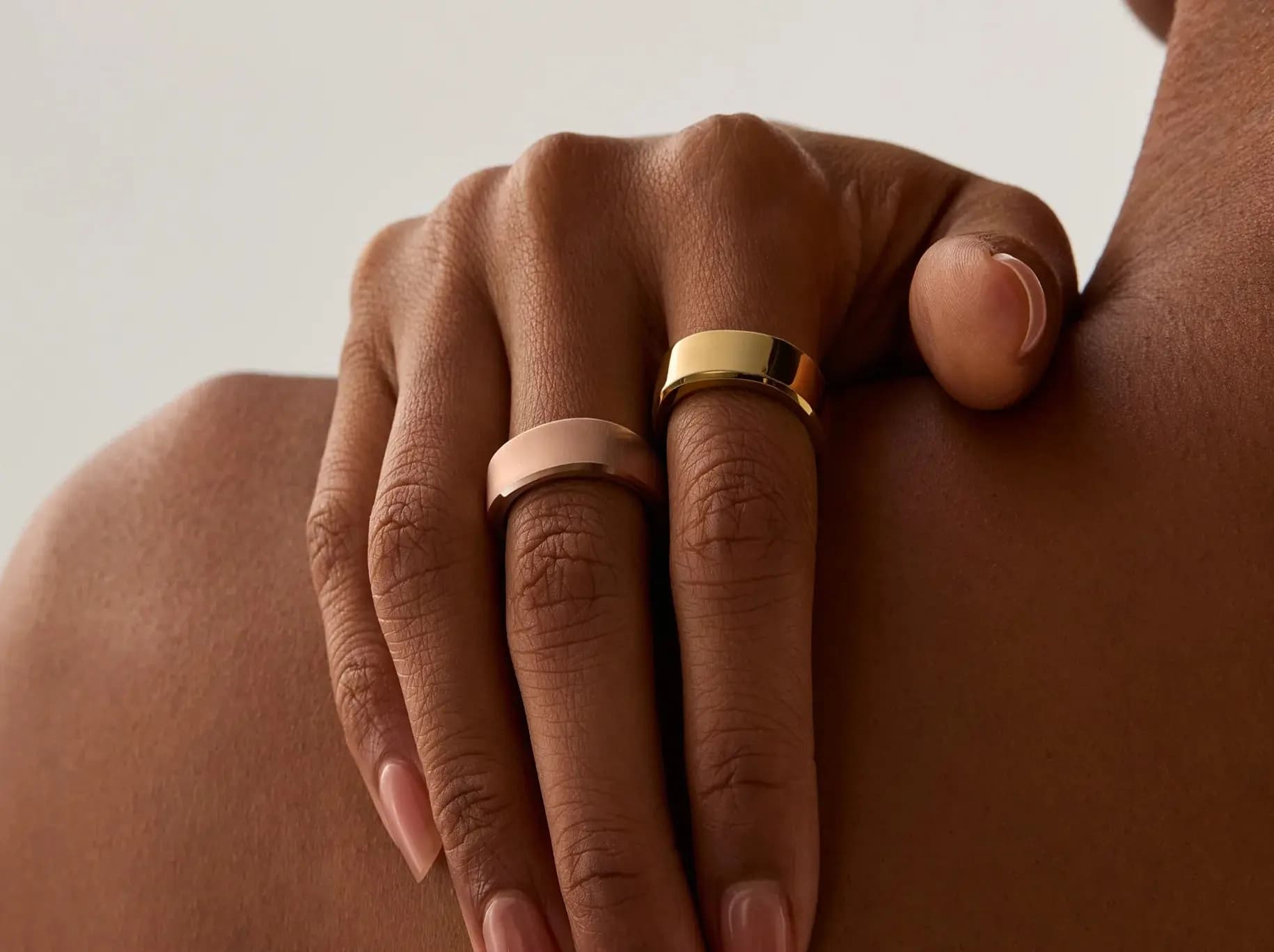
A smart ring will not cure bad sleep, but it can expose your patterns
A smart ring is not a sedative, therapist, or sleep doctor. If you have severe insomnia, chest symptoms, or suspected sleep apnea, a wearable cannot replace medical care. What it can do well is reveal trends: later bedtimes, shorter sleep windows, elevated resting heart rate, low HRV, poor recovery after alcohol, or temperature changes tied to stress and illness.
That is why the best smart ring for health tracking is often the one with the clearest app, not just the most sensors. Data only helps if it changes your behavior.
What health rings measure best in real life
The most useful health rings in 2026 focus on sleep stages, sleep duration, resting heart rate, heart-rate variability, temperature trends, steps, stress, and readiness. These are better used as personal baselines than as lab-grade truth.
If you want a heart monitor ring or health monitor ring, think trend tool first. Consumer rings can be excellent for noticing change over time, but they are not clinical monitors.
How to judge Oura Ring alternatives without buying a bad clone
A lot of shoppers search for an Oura Ring dupe, but that phrase often leads to low-trust products with weak apps and poor support. A better route is to compare real Oura Ring alternatives and Oura Ring competitors on three things: battery life, app quality, and whether the company charges a subscription.
That is why RingConn Gen 2 Air ranks so high here. It does not mimic Oura's branding. It competes on the factors buyers actually feel after 30 nights of wear.
Titanium smart ring vs stainless steel: what actually matters
A titanium smart ring usually feels more premium, lighter, and more scratch-resistant, which is why Oura, Samsung, and Amazfit all lean into titanium or titanium-alloy builds. Stainless steel can still be perfectly fine if the fit is good and the app is strong.
In practice, finger comfort matters more than material prestige. A lighter ring you wear every night beats a premium ring you take off because it annoys you.
Best smart ring for women, men, and fitness-first buyers
The best smart ring for women is usually the one with the best mix of sleep comfort, cycle insights, and long-term app value. Today that points to Oura Ring 5 if budget is flexible, or RingConn Gen 2 Air if you want value.
The smart ring for men question is less about gender and more about style, sizing, and ecosystem. Samsung Galaxy Ring is especially appealing for Galaxy users, while Oura and RingConn stay more universal. For the best fitness ring for women or more athletic buyers in general, Amazfit makes more sense if training context matters as much as sleep.
Subscription cost changes the real ranking
This is the part many best-list articles skip. A $399 ring with a monthly fee can become more expensive than a $199 no-subscription ring faster than buyers expect. That is why this guide treats ownership cost as seriously as hardware.
If you plan to wear your health tracking ring for years, the app model matters. Subscription-free options like RingConn, Samsung, and Amazfit have a real advantage for cost-sensitive shoppers.
Smart ring vs smartwatch
Buy a fitness ring if you mainly want overnight comfort, passive health data, and a wearable that looks normal in formal settings. Buy a smartwatch if you need GPS maps, on-wrist workout screens, or notifications.
For many people, the best arrangement is simple: ring for sleep and recovery, watch for workouts. If you only want one device, choose the one you will actually wear every night.
Who should skip a smart ring right now
Skip the category if finger jewelry bothers you, your job makes ring wear unsafe, or you know you will obsess over nightly scores. Some people sleep better with less data, not more.
Also wait if you need medical-grade answers. The best smart rings and health tracker ring options are useful behavior tools, but they are not diagnostic devices.