Wearables
Why Smart Rings Like RingConn Matter for Health Tracking
By Priya Nair | Published February 18, 2025 | Updated July 22, 2025
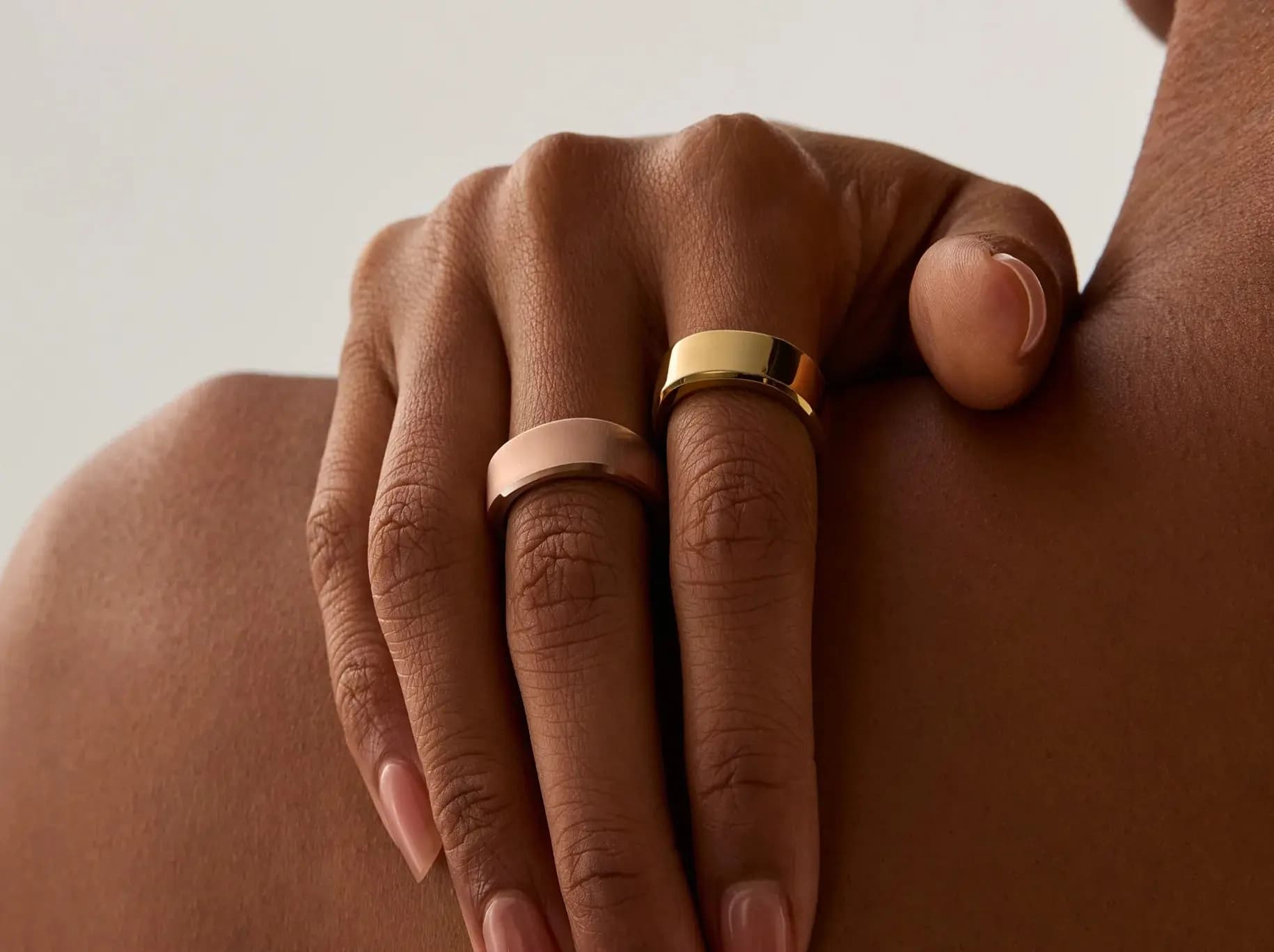
Wrist wearables transformed fitness tracking—but many people still remove them at night, during workouts, or for formal occasions. That creates gaps exactly where continuous data matters most: sleep, resting heart rate, and recovery trends. If a RingConn Gen 2 Air Review sparked your interest, the bigger takeaway is why ring-shaped tracking can be easier to wear consistently than a watch.
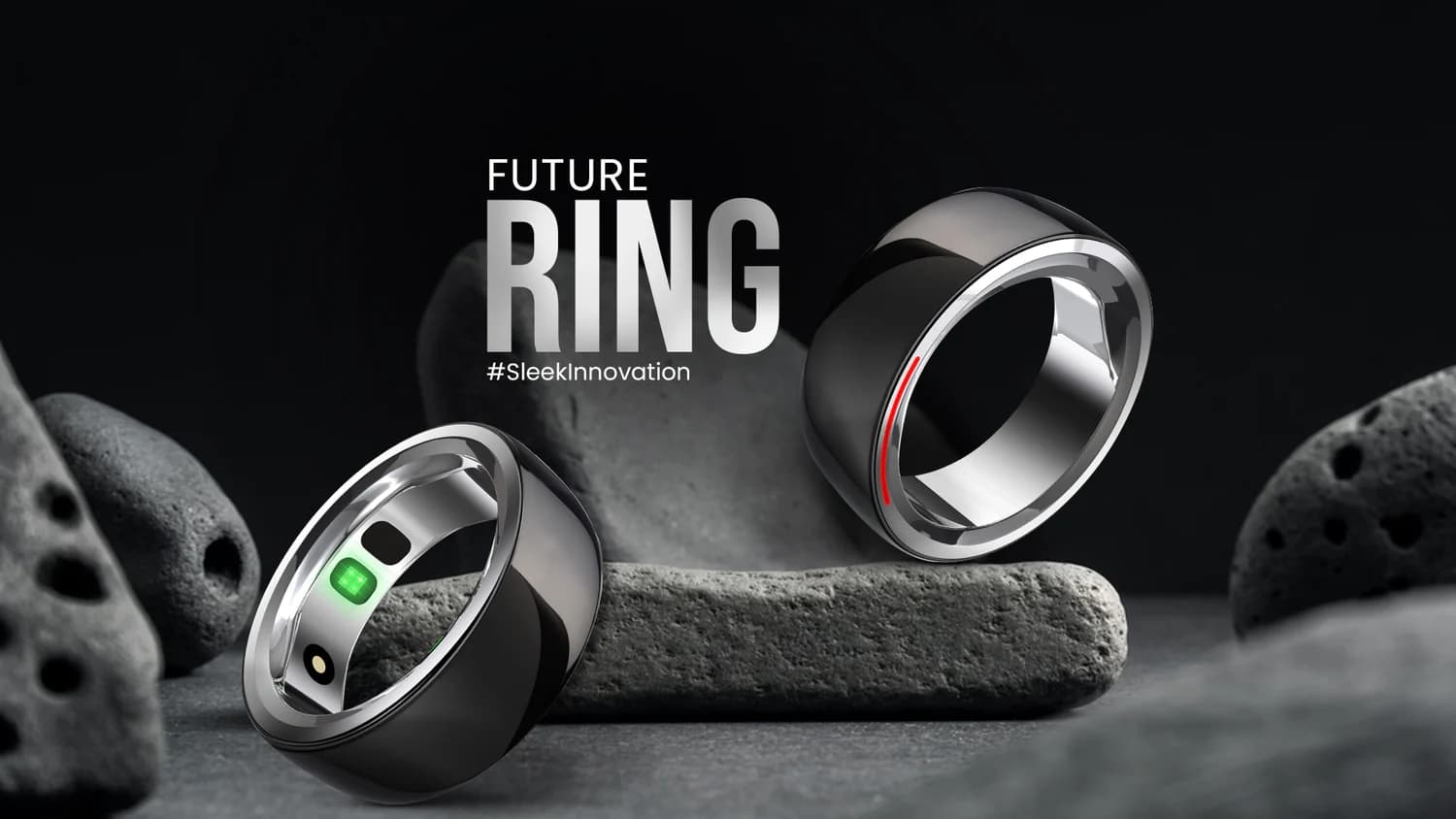
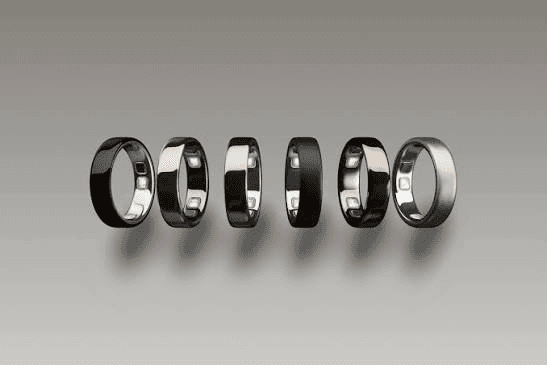
Smart rings in the RingConn mold address that gap with a low-profile form factor designed for 24/7 wear. This article explains why continuous ring-based tracking can change how you interpret rest, readiness, and long-term health habits—without treating any single brand as a miracle device.
The Case for Continuous, Comfort-First Tracking
Health insights improve when sensors stay on. Sleep staging, overnight heart-rate patterns, and recovery scores degrade when a tracker is charging on the nightstand or left off for “just tonight.”
A well-fitted smart ring is easier for many people to wear through sleep, desk work, and social settings. That consistency turns noisy day-to-day readings into trends you can actually act on—earlier bedtime experiments, training load adjustments, or simply noticing stress weeks before you feel burned out.
Sleep Tracking You Will Actually Keep Using

Nighttime is where rings often outperform bulkier watches. Without a large face on your wrist, you are less likely to remove the device, and sleep sessions are more complete.
Look for rings that summarize total sleep, sleep stages, and disturbances in plain language. The goal is not laboratory polysomnography—it is a reliable personal baseline. If your deep sleep shrinks for a week after late caffeine or irregular schedules, continuous ring data makes that pattern hard to ignore.
Heart Rate and Daytime Strain Signals
Continuous heart-rate sampling helps contextualize workouts and rest days. Elevated resting heart rate across several mornings can flag incomplete recovery, illness onset, or accumulated stress—signals a once-a-day cuff check may miss.
Ring sensors are not a medical ECG replacement, and motion can still introduce noise. Treat short spikes cautiously and focus on multi-day trends. Pair ring HR data with how you feel: energy, mood, and workout quality remain essential inputs.
Recovery Metrics That Inform Training—Not Guilt
Recovery and readiness scores are decision aids, not grades. A lower recovery day might mean swapping intervals for mobility work, prioritizing sleep, or keeping caffeine earlier—not abandoning training altogether.
RingConn-style wearables typically emphasize overnight recovery inputs: sleep quality, resting heart rate, and related signals. Used well, they encourage sustainable progress. Used poorly, they create anxiety. Set a rule: act on week-long patterns, not a single red morning score.
- Use recovery scores to adjust intensity, not identity
- Compare trends week over week, not hour over hour
- Combine metrics with subjective readiness (energy, soreness, mood)
Who Benefits Most from a Smart Ring
Smart rings suit people who dislike watch bulk, want better sleep compliance, or already own a sports watch and need a complementary overnight tracker. They also appeal to professionals who want discreet health monitoring during meetings and travel.
They are less ideal if you need always-on GPS maps, large-screen workouts, or frequent on-wrist controls. In that case, a ring-plus-watch stack—or a watch alone—may fit better. Choose the device you will wear every night for months; adherence beats feature lists.
Practical Buying Notes for RingConn-Style Rings
Prioritize sizing accuracy, battery life measured in days (not hours), app clarity, and a transparent privacy policy for biometric data. Confirm charging habits fit your routine—short daytime top-ups should not erase overnight coverage.
Evaluate claims against your goals: sleep improvement, training recovery, or general wellness awareness. A ring that you wear consistently will outperform a more “advanced” device that spends half the week unused.
Frequently Asked Questions
Why choose a smart ring instead of a fitness watch?▾
Rings are easier for many people to wear 24/7, especially during sleep and formal settings. That continuous wear improves sleep and recovery trend quality.
Can a RingConn-style ring replace a medical device?▾
No. Consumer rings provide wellness insights and trends. They are not a substitute for clinical diagnosis, prescribed monitors, or emergency care.
How accurate is smart ring heart-rate tracking?▾
It is generally useful for resting and overnight trends. Intense wrist/hand motion can introduce noise, so prioritize multi-day patterns over single workouts.
Will a smart ring improve my sleep automatically?▾
The ring measures sleep; habits change it. Use the data to adjust bedtime, caffeine, light, and recovery—then recheck trends over one to two weeks.
Who should skip smart rings?▾
If you need GPS navigation, a large workout display, or dislike any finger jewelry, a watch or armband may be a better primary tracker.
What matters most when buying a health smart ring?▾
Comfortable sizing, multi-day battery life, clear sleep/recovery reporting, and strong data privacy practices matter more than novelty features.