Lawn Mowers
What are the biggest problems with robot mowers
By Marcus Hale | Published July 25, 2025 | Updated July 25, 2025
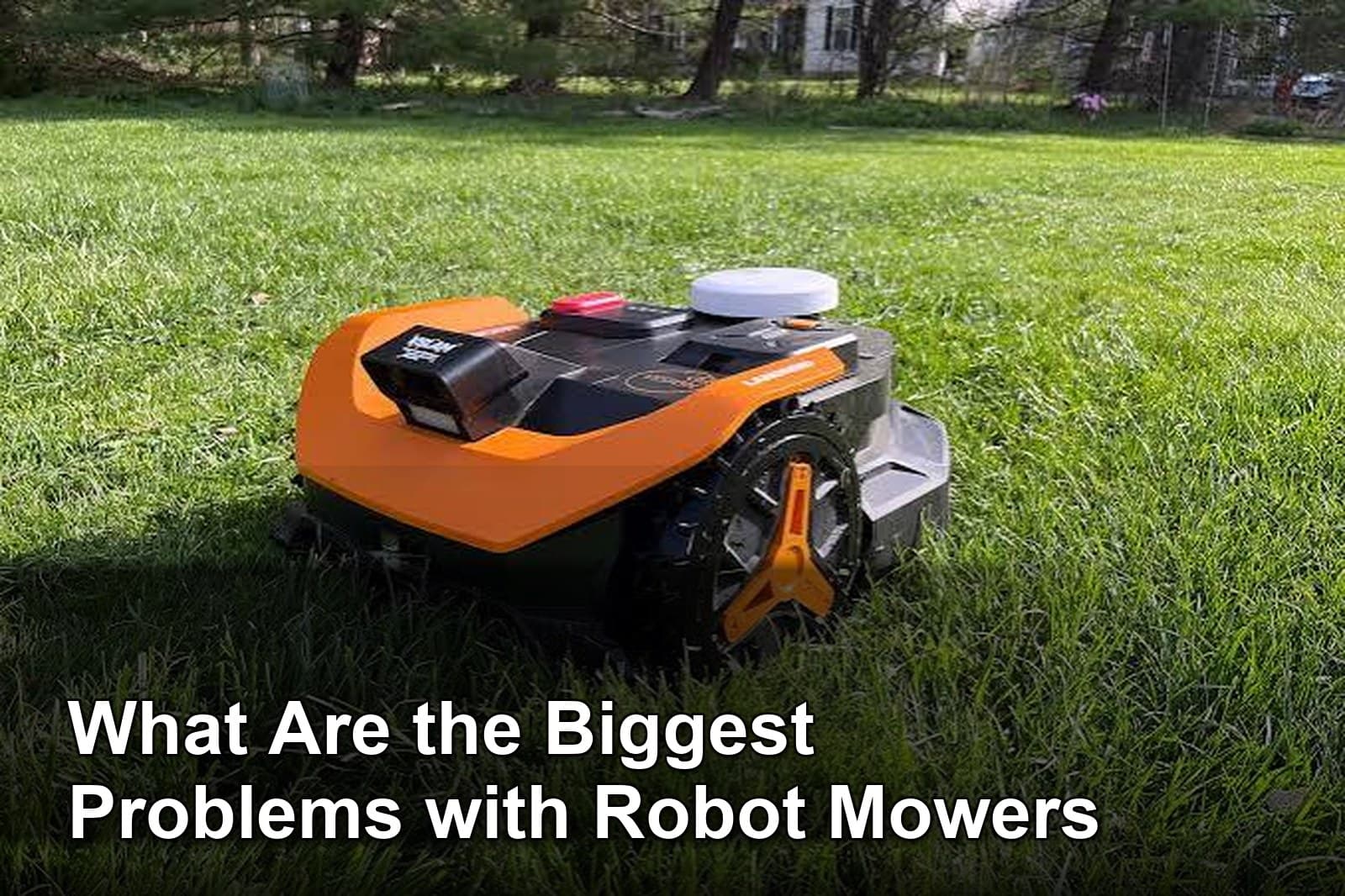
I run a suburban lot with a wide back lawn, the kind that used to eat Saturday mornings. After five seasons of testing automatic lawn mower setups (boundary-wire units first, then wire-free RTK machines), I can say this plainly: a robot that mows the lawn can free your weekends, but only if you buy for your real yard and plan for the failure modes marketing pages skip. If you arrived here through a Segway Navimow X430 Review, the point is to look past the demo lawn and think about theft risk, wet grass, and recovery from edge-case failures.
This guide is written for owners shopping robot lawn mowers, reading robot lawn mower reviews, or comparing robotic lawn mowers for sale. I cover the biggest problems I hit in practice, the fixes that actually stick, and three brands I would shortlist again: Segway Navimow from Ninebot, Mammotion, and Husqvarna Automower.
Key takeaways
- Theft, tree-cover positioning loss, and the wrong yard shape are the problems that kill ownership, not imperfect edges.
- A robotic mower is a frequent-cut machine. Weekly deck cleaning and occasional string trimming still matter.
- Segway Navimow (Ninebot), Mammotion LUBA-class AWD models, and Husqvarna Automower each solve different yards, not the same yard.
- Pair any outdoor robot grass cutter with camera coverage on the charging area if the lot is open to the street or alley.
What I mean by real-world problems
Product pages love acre ratings, app screenshots, and quiet-decibel claims. Real ownership is different. My first robotic lawn mower looked perfect on a flat demo lawn and then spent half a wet spring asking to be rescued from soft soil near a downspout. That gap between brochure and backyard is why so many people bounce between robot mower excitement and return boxes.
When neighbors ask whether a lawn mower robot is worth it, I ask three questions first: How many mature trees shade the grass? How open is the property to walk-up theft? Will you accept a trimmer pass every couple of weeks? If those answers are honest, choosing the best robot lawn mower for your place gets much easier.
Below I rank problems by how often they ruin the promise of automated grass cutting. Each one includes the workaround I use on my own lot.
1. Theft: the problem that ends ownership overnight
A robot lawn mower is expensive, outdoor, and often left alone for hours. That combination invites theft. In owner communities, stolen units show up more than brand fans admit. GPS tracking helps after the fact, but prevention is cheaper than filing an insurance claim for an auto lawn mower price that already stung.
What worked for me: treat the docking area like a high-value asset zone. Enable PIN lock and lift alarms. Keep the charger in a fenced or visually monitored corner, not against a street-facing fence. If someone lifts the unit, you want noise, a phone alert, and footage with a clear face or vehicle plate.
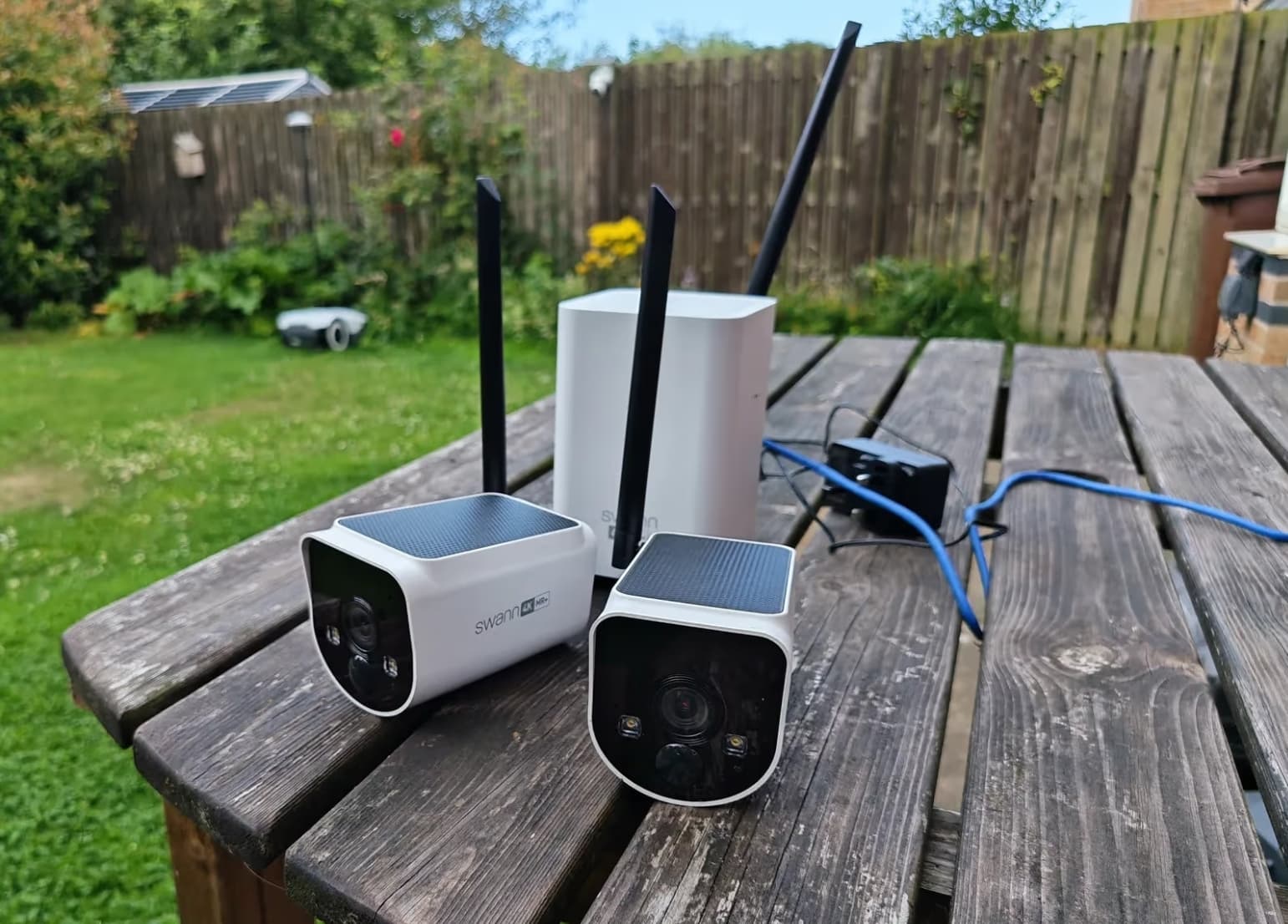
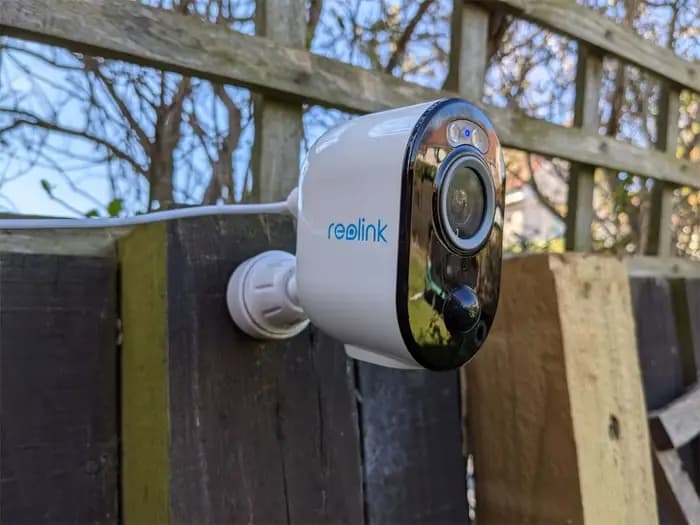
This is where a camera pays for itself. I recommend covering the charge station and the main side-yard approach with a weatherproof outdoor camera. On GearsClaw we already keep a home-security shortlist for that job, including REOLINK options that work well for driveways and backyard docks. Start here: https://www.gearsclaw.com/categories/home-security. Pair the camera with app alerts during mowing windows so a remote lawn mower session does not become an unsupervised gift to whoever walks by.
Solution checklist: PIN + alarm on the mower, GPS or cellular tracking if the model supports it, physical barrier when possible, and a camera aimed at the dock. Skip any one of those on an open lot and you are gambling.
- Mount a camera with a clear view of the charging station and exit path
- Turn on lift alarm and require a PIN before disarming
- Avoid docking against an unlocked alley or street fence
- Store the unit indoors for long travel weeks when grass growth is slow
2. Positioning loss under trees (RTK and GPS pain)
Wire-free autonomous lawn mowers often lean on RTK or GPS. Under dense canopy, next to a two-story house, or along a garage overhang, satellites drop and the robot that mows the lawn can pause, drift, leave stripes, or struggle to find home. I have watched a grid-cut path restart on a new angle after a GPS blip and leave a triangle of tall grass that looked worse than uneven hand mowing.
Boundary-wire machines dodge that sky problem, but they trade it for cable breaks later. If your yard is a tree tunnel, do not buy on acre marketing alone. Look for models with strong local sensing (vision, LiDAR-assisted navigation, or proven dead-reckoning) and read robot lawn mower reviews from owners with similar canopy, not golf-course photos.
My fix: map no-go or reduced-expectation zones under the darkest oaks, keep RTK antennas with the clearest sky view the lot allows, and accept that a robotic mower may need a manual touch-up strip under heavy shade. If most of the lawn sits under trees, a riding mower or a hybrid plan beats forcing a pure sky-dependent automatic lawnmower.
3. Getting stuck: holes, roots, wet turf, and soft soil
A lawn roomba fantasy dies the first time the chassis high-centers on a root flare or sinks a drive wheel into a soft rut. Wet grass makes it worse. Clumps pack the deck, wheels slip, and obstacle avoidance that looked smart on dry sod starts missing low hazards.
On my lot, the recurring traps were: a shallow trench where runoff crosses, decorative border stones with a lip, and toys left in the grass. After I leveled the worst dips with topsoil and sand, rescue calls dropped sharply. I also stopped sending the automatic lawn mower out right after a soaking rain.
Weekly habit that matters more than people admit: flip the unit, clear the blade disc and wheel wells, and check for wrapped string or mud. A clean robot grass cutter finishes jobs. A packed one burns battery crawling in place. That is automated lawn mower ownership in one sentence.
If you are shopping the best lawn mower for small yard spaces, stuck risk is usually lower because layouts are simpler, but toys, hose loops, and raised bed corners still stop compact robots. Clear the path before you blame the app.
- Fill ruts and soft spots before peak growth season
- Add no-go zones around tree roots and garden lips
- Skip mowing on saturated ground
- Clear pinecones, sticks, and toys before scheduled runs
- Clean the underside once a week in peak season
4. Edges: the strip a robot almost never finishes alone
Even a strong robotic lawn mower usually leaves a band along fences, walls, and hard borders. Owners report six to eight inches next to firm edges unless the machine can overhang a path. That is not a rare defect. It is geometry plus safety margins.
I still keep a string trimmer. Every two to three weeks I do a fast edge pass while the robot handles the open field. Compared with two hot hours behind a walk-behind every week, that trade is still a win. Anyone promising zero trimmer work with an auto mower is selling a different planet.
Design help: where you can, use flat borders the chassis can straddle, and keep flower beds with a clear mow line. The goal is fewer rescue edges, not a fantasy of zero hand work.
5. It is not fully set-and-forget
An automated grass cutting schedule sounds like freedom. In practice you still own mapping updates, firmware nights that change behavior, rain settings that pause too aggressively, and the occasional charge-dock miss. Some owners describe a honeymoon month, then a stretch of babysitting until the map and yard are tuned.
I treat the robot like a reliable helper, not a lawn service contract. I check the app after storms. I update maps when I add a garden bed. I do not leave for two weeks in peak growth without a backup plan, because tall grass is exactly when a lawnmower robot struggles most.
If your patience for tech is near zero, a classic rider may still be the calmer buy. If you like tuning systems and hate heat and pollen, a robotic mower remains one of the best quality-of-life upgrades I have made on the property.
6. Boundary wire breaks vs wireless troubleshooting
Older automatic lawn mower installs often used perimeter wire. Wire still works, and discounted last-gen units can be excellent. The long-term problem is breaks from rodents, aeration, or a landscaper’s blade. Finding a break is a weekend project.
Wire-free robotic lawn mowers remove that trench work, then introduce RTK base placement, signal health, and map discipline. Neither path is magic. Choose wire if your sky view is terrible and you accept cable maintenance. Choose wireless if you have open sky and want easier seasonal re-layouts.
Price note: auto lawn mower price spans budget boundary models to multi-thousand AWD flagships. Buy coverage you will actually use. Paying flagship money for a tiny flat rectangle is how people feel scammed by robotic lawn mowers for sale pages.
Three robot mower brands I would shortlist again
After living with the problems above, brand choice is less about logos and more about which failure mode your yard amplifies. Here are three I keep recommending when friends ask for the best robot mower path in 2026.
Segway Navimow (Ninebot): strong all-around wire-free pick
Segway Navimow, from Ninebot, is the robot lawn mower I point to for many suburban owners who want app-driven mapping without burying wire. Setup is approachable if you can supervise the first perimeter drive. In yards with moderate complexity, owners often report fewer stuck events than they feared, and the app workflow feels modern compared with older auto mower ecosystems.
Where it fits: medium residential lawns, people who want a remote lawn mower style schedule from the phone, and households upgrading from a walk-behind. Watch rain logic (forecast-based pauses can be conservative) and still plan on edging. If your canopy is extreme, verify navigation behavior under trees before you commit.
For shoppers comparing robot lawn mowers on features alone, Navimow usually wins on ease and day-to-day polish. Pair it with dock cameras if the side yard is exposed.
Mammotion: when terrain needs traction and AWD muscle
Mammotion’s LUBA-class machines are the ones I suggest when the lawn is not a bowling green. Uneven ground, steeper sections, and the need for serious drive strength push people toward this lane of robotic lawn mower hardware. All-wheel drive will not invent satellites under trees, but it does reduce the soft-soil and slope stuck calls that plague lighter 2WD chassis.
Trade-offs are real: higher spend, more system complexity, and the same rule that GPS health still matters on RTK-heavy workflows. Read recent robot lawn mower reviews for your exact model year, because firmware maturity changes the ownership feel. If your backyard has ruts, grades, and a wide open cut, Mammotion is often closer to a true robot grass cutter for that land than a small-yard specialist.
I would not put Mammotion first for a tiny flat courtyard. I would put it first when friends say their last automatic lawnmower kept slipping or stalling on imperfect turf.
Husqvarna Automower: the proven autonomous benchmark
Husqvarna Automower remains the reference point for many autonomous lawn mowers, especially boundary-wire installations and dealer-supported setups. If you want a mature ecosystem, spare parts availability, and a brand that has spent years refining robotic mower behavior, Automower is still a serious contender for the best robot lawn mower conversation.
It shines when you value reliability culture over the newest wireless demo. Installation can be more involved than a casual weekend unbox, and wire maintenance is the long game. For owners who prefer a dealer relationship and a machine that feels like lawn equipment rather than a gadget, Husqvarna earns the shortlist slot.
On small, simple lots, a compact Automower can also be a smart best lawn mower for small yard alternative to wrestling a gas walk-behind through summer humidity.
How I choose: a practical decision path
Start with canopy and theft risk, not blade count. Heavy trees: prioritize sensing that does not depend on perfect sky, or keep a hybrid plan. Open alley or street exposure: camera coverage before any robotic lawn mower goes on sale-day impulse. Then match brand to terrain: Navimow for polished suburban automation, Mammotion when traction and uneven ground dominate, Husqvarna when you want the established Automower support path.
Finally, budget for the boring tools: spare blades, a trimmer, and thirty minutes a week for cleaning. That is how automated lawn mower ownership stays pleasant instead of becoming a second job.
- Map trees, slopes, and soft spots before you buy
- Size coverage below the brochure maximum if the yard is complex
- Add camera monitoring for the dock on open properties
- Keep a trimmer for borders no robot finishes cleanly
- Clean the deck weekly in peak growth
Bottom line
The biggest problems with robot mowers are not secret. Theft, positioning under trees, stuck events on imperfect ground, unfinished edges, and the myth of zero maintenance. Solve those, and a robot that mows the lawn is one of the best outdoor automation buys you can make.
If you are still comparing robotic lawn mowers for sale this season, shortlist Segway Navimow (Ninebot), Mammotion, and Husqvarna Automower against your actual backyard, then protect the dock like the expensive tool it is. For camera placement and REOLINK-ready outdoor kits, use our home security guide at https://www.gearsclaw.com/categories/home-security.
Frequently Asked Questions
What is the biggest problem with a robot lawn mower?▾
On open suburban lots, theft and wrong-yard fit (especially tree cover and soft ground) cause more regret than imperfect edges. Edges are annoying; a stolen or constantly stuck robotic mower is a failed purchase.
Do I still need a trimmer with a robotic lawn mower?▾
Yes, for most fences and hard borders. Plan a short string-trimmer pass every couple of weeks while the robot handles the open lawn.
Are wire-free robot mowers better than boundary-wire models?▾
Wire-free wins on install flexibility and seasonal map changes. Boundary wire can be more stable under heavy tree cover. Choose based on sky view and how much cable maintenance you will tolerate.
Which brands are worth considering in 2026?▾
For many yards, start with Segway Navimow (Ninebot) for everyday wire-free use, Mammotion when traction and uneven terrain matter, and Husqvarna Automower when you want a mature, dealer-supported autonomous platform.
How do I protect a robot mower from theft?▾
Use PIN lock and lift alarms, enable tracking if available, dock in a less exposed spot, and cover the charging area with an outdoor camera. See our home security picks at https://www.gearsclaw.com/categories/home-security.
Is a robot mower good for a small yard?▾
Often yes. A compact automatic lawn mower can be the best lawn mower for small yard owners who hate weekly walk-behind chores, as long as edges and toy clutter are managed.